Main Body
9 Lesson 20: 지갑을 잃어버렸다가 찾았어요.
지갑을 잃어버렸다가 찾았어요.
학습 목표 Goals
By the end of this lesson, you will be able to:
- Report lost items and seek help
- Talk about mishaps and near–miss incidents
- Express sympathy and provide comfort
들어가기 Setting Up
Lesson Focus
- INGREDIENTS – 단어 Vocabulary
- Accidents and incidents
- RECIPE – 문법과 표현 Grammar
- V–아/어 버리다
- V–(으)ㄹ 뻔하다
- V–았/었다가
- LET’S COOK – 해 봐요! Classroom Tasks
- Interpretive Task 1: The golden ax, the silver ax
- Interpretive & Interpersonal Task 2: Lost & found at the airport
- Presentational Task 3: Storytelling
- KOREAN FLAVORS – 한국어와 한국 문화 Korean Language and Culture
- Verbs are everywhere! 3
- Crime and emergency numbers in South Korea
- NOW YOU TRY! – 스스로 해봐요! Async. Practices and Tasks
- Integrated Performance Task Link
- WB Link
짝하고 얘기해 봐요! Share your thoughts!
Have you ever lost your phone or something else important to you? What did you do? Share your experience with your classmates.
 |
 |
 |
사고 Accident
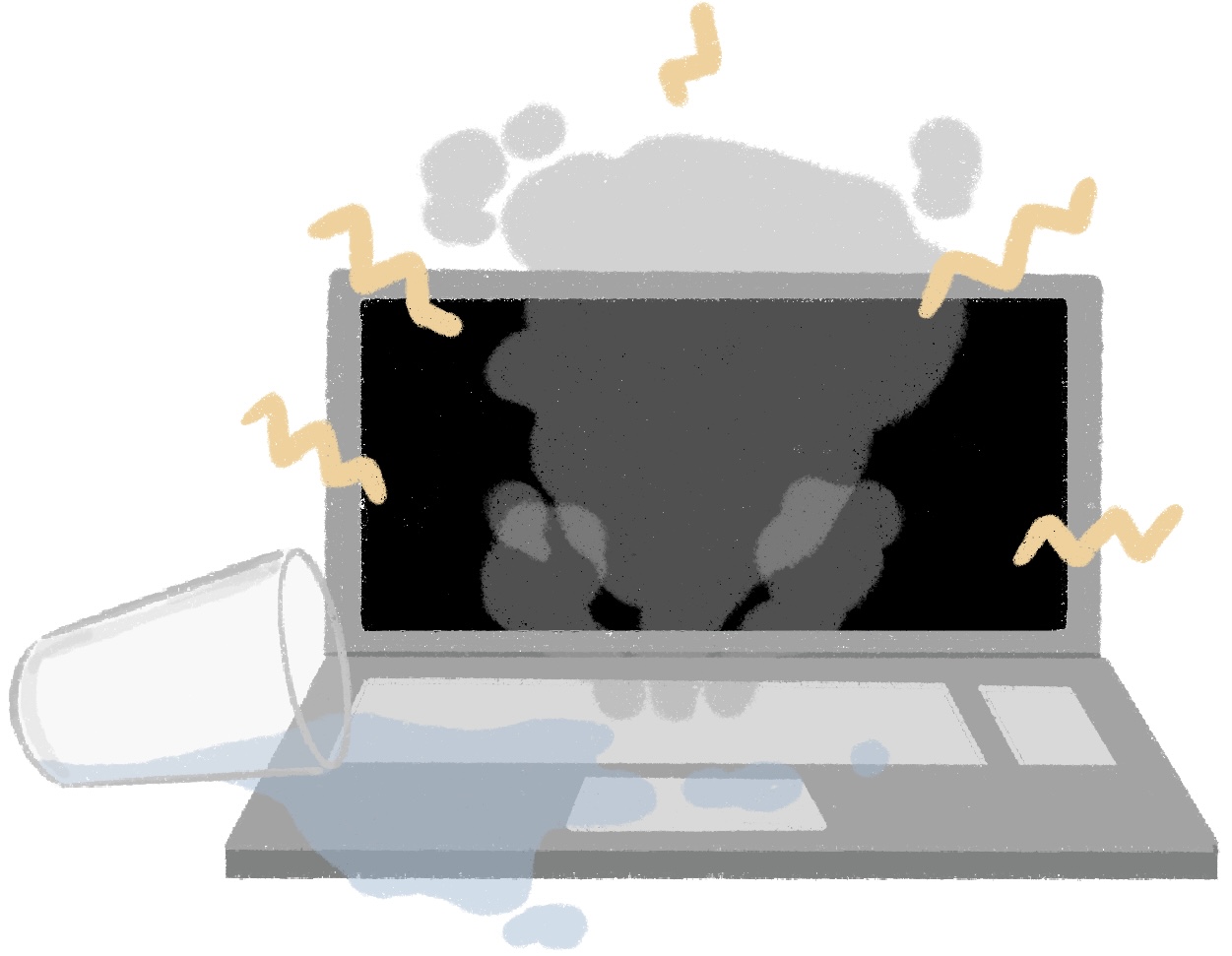 |
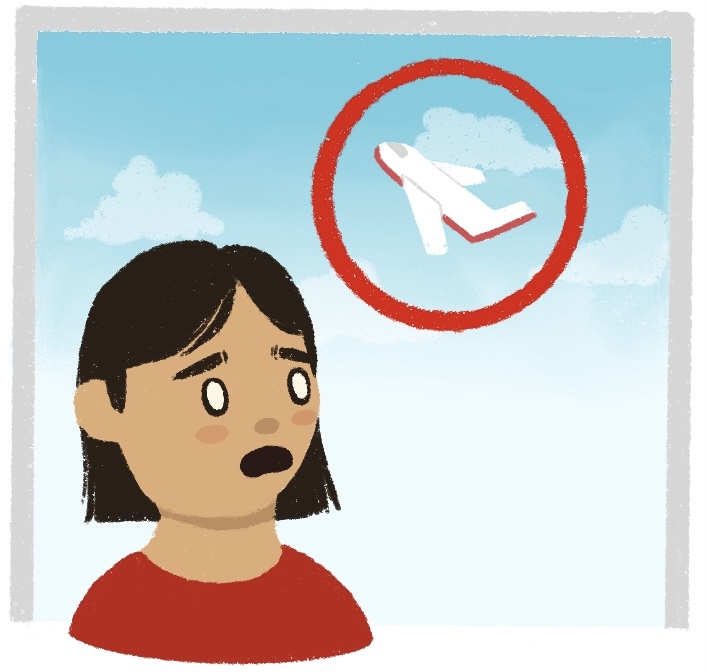 |
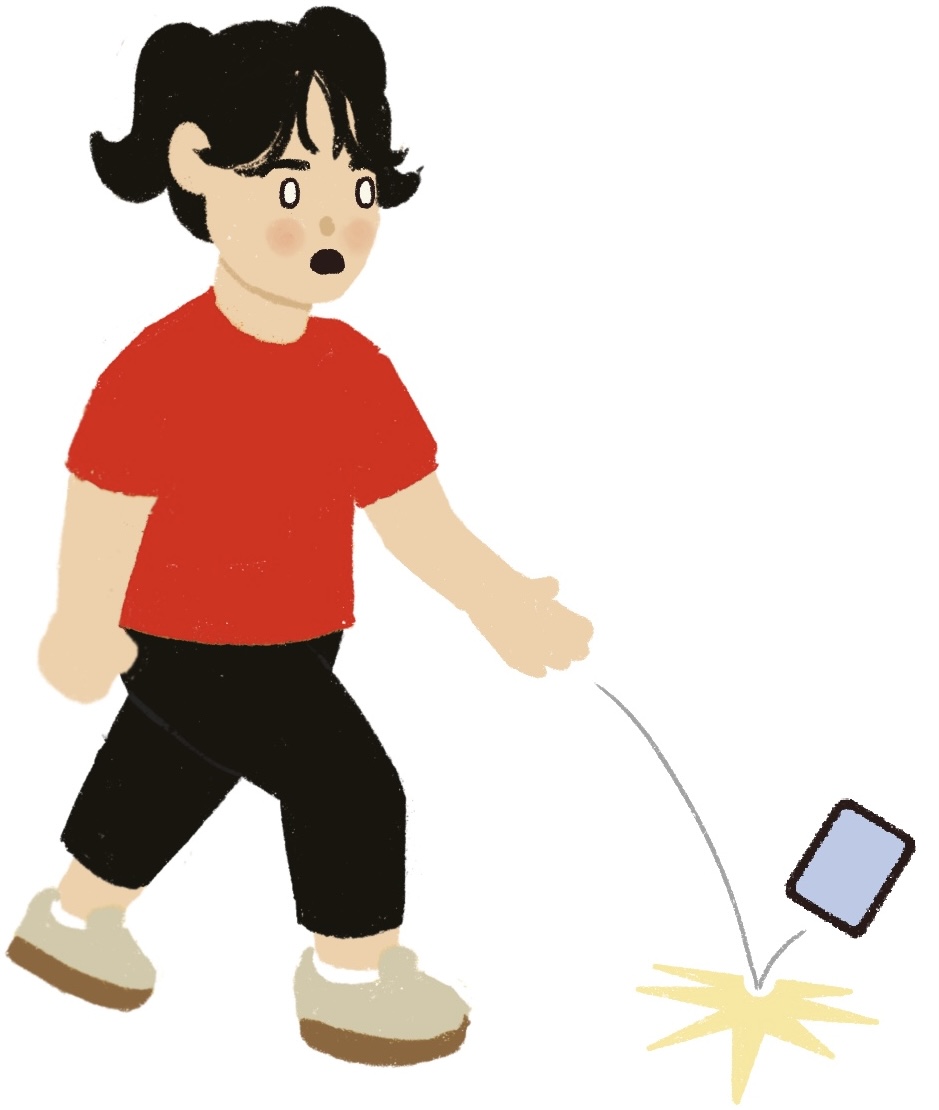 |
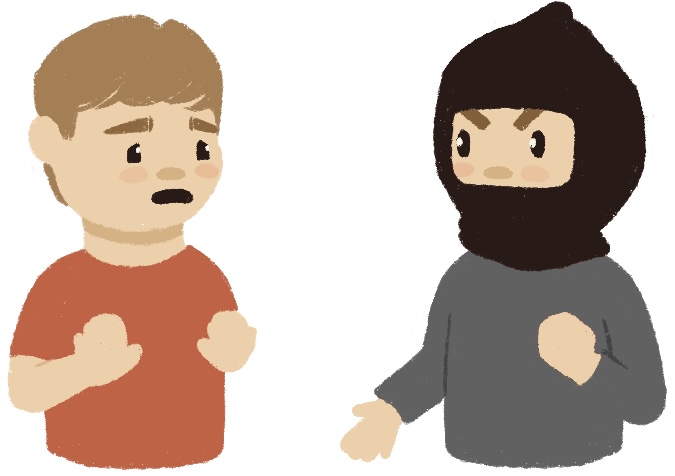 |
 |
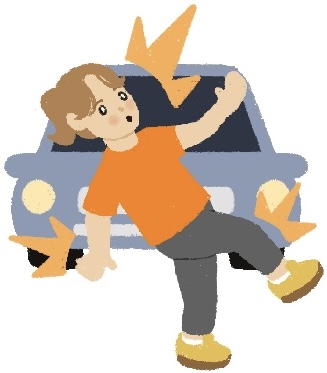 |
| 고장을 내다 | (비행기를) 놓치다 | (휴대폰을) 떨어뜨리다 | 도둑맞다 | 사고가 나다 | (차에) 치이다 |
| to break something (mechanical) | to miss (a plane) | to drop (a phone) | to be robbed | to have a car accident | to be hit (by a car) |
새 단어와 표현 Other Vocabulary and Expressions
| 경찰, 경찰서 | police, police station | 맞다 | to get hit |
| 도둑 | thief | 보관(하다) | to safekeep |
| 물건 | items, things | 습득(하다) | to acquire |
| 분실물, 유실물 | lost items | 실수(하다) | to make a mistake |
| 사고, 교통 사고 | accident, car accident | 신고(하다) | to file a police report |
| 신분증 | ID | 지각(하다) | to be late (for work, school) |
| 휴대폰 | cell phone | 치이다 | to be hit, to be run over |
| 휴일 | holiday, day off | 올라오다 | to come up, rise |
| 가져다주다, 갖다주다 | to bring, to deliver | 제공(하다) | to provide |
| 누르다 | to press (down) | 지우다 | to erase |
| 고치다 | to fix | 켜다 | to turn on |
| 놓치다 | to miss, to drop | 당장 | right away |
| 떨어뜨리다 | to drop | NOUN없이 | without NOUN |
| 늦잠을 자다 | to sleep in | 두고 오다 | to leave behind |
| 화를 내다 | to show anger | 정신(이) 없다 | Things feel hectic and chaotic, one can’t concentrate |
| 다행이다! | What a relief! | 큰일 날 뻔했네요! | That was a close call for you! |
단어 메모지 Vocabulary Notes
1. 맞다
The core meaning of 맞다 is “to fit (be right, correct),” or “to contact (get hit/beaten)”:
| 엄마 말은 항상 맞아. | What mom says is always correct. |
| 우산이 없어서 비를 쫄딱 맞았다. | I had no umbrella so I got drenched in the rain. (lit. I got completely beaten by the rain.) |
From the meaning “to contact,” we also get “meet, receive, welcome,” or “to face, be struct, be inflicted”:
| 우리는 따뜻한 벽난로 앞에서 화이트 크리스마스를 맞았다. | We welcomed a white Christmas in front of a warm fireplace. |
| 어제 동네의 많은 집이 도둑을 맞았다고 한다. | They say many houses in the neighborhood had break–ins. |
The following negative nouns come with 맞다 as their linked ver 나:
| 벼락 | thunder | 총 | gun (shot) | 야단 | scolding | 위기 | crisis |
2. 큰일나다
큰일 is a big problem, and it is sometimes shortened to 일.
| 큰일 났어요! | We have a big problem! |
| 너, 참 큰일이다. | You are a big old mess. |
| 얘, 무슨 일 났니? 왜 이렇게 난리야? | What’s the big problem? Why are you making such a ruckus? |
3. 치다/치이다
In Lesson 16, we went over Korean short–form passive verbs. 치이다 is a passive form of the verb, 치다 (to hit, to run over). Pay attention to their conjugation with –아/어 endings.
| 친구가 내 어깨를 툭 쳤다. | My friend slapped me on the shoulder. |
| 친구가 차에 치여서 입원했다. | A friend of mine was hit by a car and has been hospitalized. |
단어 연습
연습 1.
연습 2.
| 분실하다 | 맞다 | 떨어뜨리다 | 습득하다 | 신고하다 | 차사고가 나다 |
연습 3.
| 다행 | 다행 | 습득 | 신분증 | 유실물 | 휴대폰 |
1. V–아/어 버리다 Ended Up Doing

1. V–아/어 버리다 do and be done with
버리다 means “to throw something away,” or “dispose of or ruin something”:
| 쓰레기 좀 내다 버리세요. | Take the garbage out, please. |
| 비가 와서 신발을 다 버렸어. | Because of the rain, my shoes got all ruined. |
When used as an auxiliary verb in –아/어 버리다, the phrase means to get something over with:
| 오늘 밤에 나갈 수 있게 숙제 다 해 버리자. | Let’s finish up our homework now so we can go out tonight. |
| 그 책 아직도 보관하고 있어? 빨리 갖다 줘 버려. | Are you still keeping that book? Hurry and give it back (and be done with it). |
| 너무 시끄럽네. 텔레비전 꺼 버렷! | So noisy! Turn that TV off! |
2. V–아/어 버렸다 went and did something
Verb–아/어 버렸다, in the past tense, means “went and did something (sort of giving up),” often because the doer is under duress or stress. It can also mean “ended up Verbing,” when the situation is beyond your control.
Under one’s control, but under duress:
| 배가 너무 고파서 밥이 좀 상한 것 같았지만 그냥 먹어 버렸다. | I was so hungry, so I went and ate the rice even though it seemed to have gone a bit bad. |
| 너무 더워서 머리를 짧게 잘라 버렸다. | It was so hot, I went and had my hair cut short. |
Beyond one’s control:
| 길을 잃어버려서 콘서트에 30분이나 늦어 버렸습니다. | We got lost and ended up being 30 (!) minutes late for the concert. |
| 커피를 쏟아서 동생 컴퓨터를 고장내 버렸어. | I spilt coffee on my sibling’s computer and ended up breaking it. |
3. Conjugation
This ending is used only with verbs. Conjugate these verbs on your own:
| Dictionary Form | –아/어 버리다 | Dictionary Form | –아/어 버리다 |
| 마시다 | 마셔 버리다 | 두고 오다 | |
| 누르다 | 고장내다 | ||
| 고치다 | 듣다 |
<Answer key> 눌러 버리다, 고쳐 버리다, 두고 와 버리다, 고장내 버리다, 들어 버리다
연습 1. –아/어 버리다
Tell your partner how each stressful situation ultimately led to an adverse result or what it forced you to do. Use –아/어 버리다. Take turns.
| What Happened | Following Action/Event | |
| (맛보기) |
배가 고프다 | 혼자 햄버거 두 개를 다 먹다. |
| ⇒ 배가 고파서 혼자 햄버거 두 개를 다 먹어 버렸다. | ||
| What Happened | Following Action / Event | |
| 1. | 집에 도둑이 들어왔다 | 새 컴퓨터를 가져가다 |
| ⇒ | ||
| 2. | 밤에 모르는 사람이 계속 벨을 누르다 | 경찰에 신고하다 |
| ⇒ | ||
| 3. | 운전하면서 문자 보내다 | 교통사고가 나다 |
| ⇒ | ||
| 4. | 정신이 없다 | 숙제를 집에 놓고 오다 |
| ⇒ | ||
| 5. | 캠핑장비를 너무 많이 사다 | 돈을 다 쓰다 |
| ⇒ | ||
| 6. | 스팸 이메일이 너무 많이 오다 | 다 지우다 |
| ⇒ | ||
| 7. | 떨어뜨리다 | 새 휴대폰이 고장 나다 |
| ⇒ | ||
| 8. | 교통이 너무 막히다 | 비행기를 놓치다 |
| ⇒ | ||
연습 2. –아/어 버리다
Tell your partner what bad thing ended up happening. Use –아/어 버리다. Take turns.
(맛보기) 가:어제 영화 잘 봤어요?
(맛보기) 나: 보다가 너무 재미없어서 자 버렸어요.
1. 가:휴대폰이 왜 그래요?
1. 나: 아까 휴대폰이 떨어져서 __________________________.
2. 가:진아 씨, 머리 잘랐네요! 너무 예뻐요.
2. 나: 네. 머리가 너무 길어서 어제 ________________________. 짧은 스타일 잘 어울려요?
3. 가:다음 주에 있는 K–pop 콘서트 티켓 예매했어요?
3. 나: 아니요. 못했어요. 벌써 다 ________________________.
4. 가:지민 씨, 무슨 일 있어요? 기분이 안 좋아 보여요.
4. 나: 장보러 가서 실수로 계산대에 지갑을 두고 왔는데 누가________________________.
5. 가:내가 선물 준 화분 잘 크고 있어요?
5. 나: 미안해요. 내가 물을 잘 안 줘서 ________________________.
6. 가:오늘 12시에 만나 점심 먹기로 했는데 왜 안 왔어?
6. 나: 아, 미안. 내가 정신이 없어서 ________________________.
7. 가:아까 왜 경찰이 왔어?
7. 나: 아파트에 도둑이 들어서 새 컴퓨터를 ________________________.
계산대: cash register
연습 3. –아/어 버리다
Pair up with a classmate. Explain what ended up happening or what you were forced to do. Use –아/어 버렸다 and take turns. Be creative!
(맛보기) 가: 왜 집에 와 있어요? 오늘 같이 축구하기로 했잖아요!
(맛보기) 나:미안해요. 머리가 좀 아파서 그냥 집에 와 버렸어요.
1. 혹시 파일 지웠어요? 여기 있어야 되는데…
2. 감기 걸리셨나요? 자꾸 기침을 하시네요.
3. 오늘 왜 지각했어요? 10시까지 오기로 했잖아요.
4. 지난주에 빌려 준 책 안 잃어 버렸죠? 내일까지 돌려 주세요 .
5. 휴대폰을 또 사요? 지난 달에 샀잖아요.
6. 아, 큰일 났어! 내일까지 프로젝트 내야 하는데 내 컴퓨터가 고장 난 것 같은데?
7. 다음 학기에 나랑 한국역사 강의 듣기로 했잖아. 그런데 왜 수강 신청 을 안 했어?
8. Create your own.
연습 4. –아/어 버리다
You both had a terrible week. Tell each other what bad things happened beyond your control. Can you top your partner’s bad luck? Find out whose week was more horrible than the other’s. Use –어 버렸다.
(맛보기) 가:지난 주는 정말 힘든 한 주였어! 컴퓨터를 고치려고 하다가 더 고장내 버렸어.
(맛보기) 나: 그건 아무것도 아니야. 나는 친구 주려고 과자를 구웠는데 개가 다 먹어 버렸어.
돌려주다: to return, to give back
수강신청: class registration
2. V–(으)ㄹ 뻔했다 Almost, Nearly V

1. V–(으)ㄹ 뻔했다 almost, nearly V
–(으) 뻔했다, always used in the past tense, means something almost happened. It carries a sense of shock that something negative could have happened or almost happened. The leading clause has connectors like –는데 and –으려다가, which leads up to what almost happened. The exaggerative adverb 하마터면 (nearly, almost) can also be used:
| 차를 차고 밖에 세웠다가 도둑맞을 뻔한 적이 있어. | I parked the car outside the garage and almost got it stolen once. |
| 친구 컴퓨터를 고쳐 주려고 하다가 하마터면 컴퓨터를 고장낼 뻔한 적이 있어. | I nearly broke a friend’s computer trying to fix it once. |
| 걸으면서 문자 보내다가 넘어질 뻔했다. | I almost fell down sending text messages while walking |
| 내일이 방세 내는 날이라는 걸 잊어버릴 뻔했다. | I nearly forgot that the rent is due tomorrow. (Lit. I almost forgot (the fact) that tomorrow is the day I am to pay the rent.) |
For something that almost happened that is under your control, –(으)려다가 should be used:
| I almost went to the party; I decided not to. |
–(으)ㄹ 뻔했다 is not usually used with adjectives. In rare cases when it is, the adjectives show up in completive form “–었으면, –(으)ㄹ 뻔했다” to mean “if it had been…” or “it otherwise would have been…”:
| 소금을 더 쳤으면 짤 뻔했다. | If you had put in more salt, it would have been (too) salty. |
| 모자를 안 쓰고 나왔으면 추울 뻔했지? | If I hadn’t worn a hat, I would’ve been cold, eh? |
The following verbs are often used with –을 뻔했다 to exaggerate your feelings. Complete the phrases and see if you can guess the meanings.
죽다 (to die) ⇒ 죽을 뻔했어요 I just about died!
큰일 나다 (to have a big problem) ⇒
미치다 or 돌다 (to go crazy) ⇒
기절하다 (to faint) ⇒
몰라보다 (to not recognize) ⇒
2. Conjugation
–을 뻔했다is used with verbs. Try conjugating these verbs.
| Dictionary Form | –(으)ㄹ 뻔했다 | Dictionary Form | –(으)ㄹ 뻔했다 |
| 차에 치이다 | 차에 치일 뻔 했다 | 고장내다 | |
| 듣다 | 잊어버리다 | ||
| 만들다 | 부르다 |
<Answer key> 들을 뻔했다, 만들 뻔했다, 고장낼 뻔했다, 잊어버릴 뻔했다, 부를 뻔했다
연습 1. –(으)ㄹ 뻔했다
| 늦다 | 잊어버리다 | 놓치다 | 도둑 맞다 |
| 사고가 나다 | 화를 내다 | 졸다 | 지우다 |
연습 2. –(으)ㄹ 뻔했다
Walk around the classroom and find out if any of your classmates had any of the following close-call experiences.
(맛보기) 비행기를 놓치다
(맛보기) 가:비행기를 놓칠 뻔한 적이 있나요?
(맛보기) 나: 네, 있어요. 작년에 플로리다를 갔는데 늦잠을 자서 비행기를 놓칠 뻔했어요.
| Your questions | Name of the friends who had the near-miss experiences | |
| 비행기를 놓치다 | ||
| 운전하다가 교통사고가 나다 | ||
| 중요한 약속에 지각하다 | ||
| 배가 고파서 죽다 | ||
| 늦잠을 자서 시험을 못 보다 | ||
| 지갑이나 신분증을 잃어버리다 | ||
| 길을 건너다가 차에 치이다 | ||
| Your own question |
연습 3. –(으)ㄹ 뻔했다
Complete each exchange. Practice using –(으)ㄹ 뻔했다.
(맛보기) 가:오늘은 수업 시간에 안 늦었네요!
(맛보기) 나: 오늘도 알람 소리를 못 듣고 좀 늦게 일어나서 지각할 뻔했어요.
1. 가:아침에 학교에 오다가 배달 오토바이 때문에 ________________________.
1. 나: 저런, 큰일 날 뻔했네요.
2. 가:오늘 아침에 눈이 와서 길이 미끄러워요 .
2. 나: 조심하세요. 저도 아침에 길이 미끄러워서 ________________________.
3. 가:어제 지민 씨 하고 같이 영화 보러 갔어요? 영화 어땠어요?
3. 나: 영화가 너무 슬퍼서 ______________________.
4. 가:큰 주차장에서는 주차한 다음에 사진을 찍어 놓으세요.
4. 나: 네, 맞아요. 지난 번에 주차한 곳을 잊어 버려서 ______________________.
5. 가:어제 누가 자꾸 초인종을 눌러서 나갔더니 앞 집 손님들이 집을 잘못 찾아 왔더라고요.
5. 나: 저도 그런 일이 있었어요. 저는 무서워서 경찰에 ______________________.
6. 가:아이고. 좀 천천히 드세요.
6. 나: 어제 저녁부터 아무것도 못 먹었어요. 배가 너무 고파서 ______________________.
7. 가:오늘 조엘 씨 생일인 거 알지요?
7. 나: 네. 어제 지수 씨가 미리 이야기 안 해 줬으면 ______________________.
연습 4. –(으)ㄹ 뻔했다
Reflect on any close-call experiences you’ve had. Share and discuss these stories with your classmates to see whose experience is the most memorable. Use –(으)ㄹ 뻔했다 as much as possible.
(맛보기) 지수: 운전하면서 졸다가 큰일 날 뻔했어요.
(맛보기) 현영: 웹에서 공짜 프로그램을 다운받다가 바이러스에 걸릴 뻔 했어요.
Hints: climbing a mountain, driving, at the beach, eating something, telling a secret, meeting someone famous
공짜: free
3. (A)/V–았/었다(가) Completion of a Transient Action

1. (A)/V–다(가) a switch in the middle of an action
In Lesson 13, you learned –다(가) with no tense marker means “… in the middle of VERBing, suddenly…”
| 학교에 오다(가) 친구를 만났어요. | I met my friend on the way to school. |
| 수업을 듣다가 졸았어요. | I dozed off in the middle of class. |
Since the activity is interrupted, –다(가) phrases often precede an action:
| 어제까지 날씨가 춥다가 오늘부터 따뜻해졌다. | It had been cold up until yesterday, and it got warmer today. |
2. (A)/V–았/었다(가) 1 Quick flip-flops
–다(가) attached to a past tense verb indicates a completed action that is immediately followed upon by a usually contrasting action. The two actions (or states) appear in serial forms V + V or A + A:
| 잠깐 앉았다가 가세요. | Take a seat for a minute (a short breather) and then go. |
| 지갑을 잃어버렸다가 찾았어요. | I lost my wallet and found it. |
| 컴퓨터가 안 되면 껐다 켜 보세요. | If a computer is not working, try turning it off and on again. |
–았/었다(가) may express a mild annoyance at back-and-forth short, repeated actions or states:
| 왔다 갔다 하지 좀 마. 정신이 하나도 없다. | Stop your pacing already. You make me crazy. |
| 이랬다저랬다. 변덕이 죽 끓듯… | Blowing hot and cold; they are flip-flopping so badly. |
| 날씨가 추웠다가 더웠다가 미쳤나봐. | The weather can’t make up its mind; cold then hot. Kind of crazy. |
3. V–았/었다가 2 One thing leads to another…
Another usage for –았/었다(가) is where the first action is the basis for the next; the second action is a swift and direct consequence of the first and is often unexpected or incidental.
| 학교에 왔다가 친구를 만났어요. | I got to school and saw my friend who happened to be there. |
| 친구집에 들렀다가 같이 저녁을 먹게 됐다. | I stopped by my friend’s house, which led to having dinner together. |
| 링크를 잘 못 눌렀다가 컴퓨터가 바이러스에 걸렸어. | I clicked the link and ended with a computer virus. |
4. Conjugation
Try conjugating the following verbs and adjectives on your own:
| Dictionary Form | –았/었다가 | Dictionary Form | –았/었다가 |
| 잃어버리다 | 잃어버렸다가 | 오다 | |
| 서다 | 흐리다 | ||
| 가져가다 | 춥다 |
<Answer key> 섰다가, 가져갔다가, 왔다가, 흐렸다가, 추웠다가
연습 1. –았/었다가
연습 2. –다가 or 았/었다가
| 들르다 | 끄다 | 돕다 | 듣다 | 가다 |
| 고치다 | 열다 | 잃어버리다 | 지우다 |
연습 3. –았/었다가
CHARADES: Work with a classmate. Taking turns, act out the following and have the other person describe what you just did. Use –았/었다가. Pick a random number to act out.
(맛보기) Person 1 acts out: Stand up from the chair and then sit back down.
(맛보기) Person 2 says: 의자에서 일어섰다가 앉았어요.
1. Person 1 acts out: Open the window and then close it.
1. Person 2 says:
2. Person 1 acts out: Take off your shoes and then put them back on.
2. Person 2 says:
3. Person 1 acts out: Close your textbook and then open it back up.
3. Person 2 says:
4. Person 1 acts out: Drop a pen on the floor and then pick it up.
4. Person 2 says:
5. Person 1 acts out: Take out your cellphone from your bag or pocket and then put it back in.
5. Person 2 says:
6. Person 1 acts out: Raise your right hand and then put it down.
6. Person 2 says:
7. Person 1 acts out: Pretend to send a text message while driving and get into an accident.
7. Person 2 says:
8. Person 1 acts out: Pretend to steal someone’s book and then return it to the person.
8. Person 2 says:
연습 4. –다가 and –았/었다가
What did you learn from your experience? Share your anecdotes using –았/었다가.
(맛보기) _______________을/를 먹다
(맛보기) ⇒ 새로 나온 민트 초코 아이스크림을 한번 먹었다가 너무 맛이 없어서 이제 안 먹어요.
1. _______________(place)에 놀러 가다
2. _______________을/를 입다
3. _______________을/를 타다
4. _______________을/를 사다
5. _______________을/를 예약하다
6. Your own question
4. 종합 연습 Role Play
Create a role play with your partner using the key grammar expressions and new vocabulary from this lesson. Include 5 to 6 meaningful rounds of dialogue. Take turns and feel free to add details to make the conversation lively.
- Context: Your friend had a challenging day yesterday and needs someone to talk to. Discuss the incidents that occurred yesterday in detail. Express concern for the friend who had a tough day and provide emotional support.
- Participants: Two close friends who meet for lunch
- Key Expressions: –아/어 버리다, –(으)ㄹ 뻔했다, –았/었다가
- Sample dialogue:
 |
 |
 |
 |
Interpretive Task 1. 듣고 말하기
금도끼 은도끼
You will watch a video story about a Korean folktale, “금도끼 은도끼 (The Golden Ax, The Silver Ax).”
Helpful Vocabulary
| 숨 쉬다 | to breathe | 금도끼 | golden ax | 은 | silver |
| 쇠 | iron | 나무꾼 | woodcutter | 산신령 | mountain god |
| 연못 | pond |
1. First, listen to the story without subtitles and write down your answers to the questions below in Korean. Then, talk with your classmates about what you wrote down.
| 1. 이 이야기에 산신령하고 또 누가 나와요? | |
| 2. 그 사람은 뭐를 잃어버렸어요? | |
| 3. 어디에서 잃어버렸어요? | |
| 4. 어떻게 하다가 잃어버렸어요? | |
| 5. 잃어버린 물건을 찾았어요?/ 못 찾았어요? | |
| 6. 어떻게 찾았어요?/왜 못 찾았어요? |
2. Role Play: Now, listen to the story once again, and do a role play with your partner, one as a woodcutter and one as a mountain spirit. You may change roles with your partner and role play again.
| 산신령: 너는 왜 울고 있느냐?
나무꾼: 산신령: 어떻게 하다 잃어버렸느냐? 나무꾼: ______________________________________________ 산신령: 왜 그게 꼭 있어야 되느냐? 나무꾼: ______________________________________________ 산신령: 아, 그래. 그럼 내가 꼭 찾아 주겠다. 여기서 잠깐 기다려라. (잠시 후) 이게 네 __________________(이)냐? 나무꾼: 아니요, 제 _____________는 (Describe at least 3 things about your lost item) ______________________________________________ ______________________________________________ ______________________________________________ 산신령: 아 그래, 그럼 잠깐만 기다려라. (잠시 후) 산신령: 이제 네 ________________–(이)냐? 나무꾼: 네, 맞습니다. 찾아 주셔서 감사합니다! |
Interpersonal and Presentational Task 2. 읽고 말하기
Lost & Found at the Airport
Read the information about “Lost and Found” services on an airport website in Korea.
Based on the information you read, complete the summary chart of the key information in Korean.
|
공항 유실물 센터 이용 안내
|
| 1. Operation Hours | |||
| 2. Location | |||
| 3. Closed days | |||
| 4. Exceptions for lost and found items | |||
| 5. Lost and Found items from inside of airplane, airport bus, or train | |||
| 6. Storage period | |||
| 7. How to report lost items | |||
| 8. How to claim found items |
| 위임장: power of attorney | 기부: donation | 습득물: 찾은 물건 | 대신: in someone’s stead |
2. Now, with your partner, ask and talk about the information you discovered.
Presentational Task 3. 말하고 발표하기기
Storytelling
Share your story about the following topics in a small group, and then present it in class.
1. Have you ever had something undesired almost happen to you?
Share your story with your group (Useful grammar: –(으)ㄹ 뻔했던 적이 있다; –다가/–(았/었)다가)
2. Have you lost or found a pet – or something else — at some point in your life? Please elaborate on your story by incorporating some of the following:
- Is there something you lost and you’ve never found?
- Where and how did you lose it?
- What did you do when you realized that you had lost it?
- Where and how did you find it?
- How much later?
- What does it look like?
- How did you have it in the first place?
- How long did you keep it? What does it mean to you?
Language Point: Verbs are Everywhere! 3
We will continue the review of useful verb + verb structures. Again, study these verb series carefully, and your life in Korean will see much improvement!
1. V–어 + 있다
V–어 있다 expresses that the subject of the verb is in a state that is the result of having done the verb. If John has gone to Korea, then John is gone to Korea. If John has stood up, John is standing/is stood.
| 가다 | go | 가 있다 | (someone went and) is there |
| 오다 | come | 와 있다 | (someone came and) is here |
| 살다 | live | 살아 있다 | (someone came and) is here |
| 죽다 | die | 죽어 있다 | (someone died and) is dead |
| 앉다 | sit | 앉아 있다 | (someone took a seat and) is sitting |
| 서다 | stand | 서 있다 | (someone stood up and) is standing |
| 눕다 | lie down | 누워 있다 | (someone lay down and) is lying down |
| 올라가다 | climb up | 올라가 있다 | (someone/thing climbed up and) is up |
However, if John has slept, there is no way to express the state that results from his having slept in the Korean language (or even in English. If someone has slept, he is not currently sleeping as a result!) This is why it is not possible to say *그 사람은 잠을 자 있어요. Also, if someone has started preparing something, there is no resulting state for that someone (thus *그 사람은 준비해 있다 is wrong). On the other hand, if something was prepared, the resultant state is that that something is prepared (ready) (thus 저녁식사가 준비되어 있다 is O.K.). Examine the following and get a feel for what is possible to say with –어 있다:
| 자다 | sleep | *(someone slept and) …??? | |
| 가지다 | possess | *(someone took possession of something and) …??? | |
| 시작하다 | start (vt.) | *(someone starts something and)…??? | |
| 시작되다 | start (vi.) | 시작되어 있다 | something was started and has been/is started up |
| 준비하다 | prepare (vt.) | (someone took a seat and) is sitting | |
| 준비되다 | is prepared (vi.) | 준비되어 있다 | (something) is prepared; preparation is in place |
| 끝내다 | finish (vt.) | *(someone has finished something and)…??? | |
| 끝나다 | end (vi.) | 끝나 있다 | (something) has ended and is finished |
All these non-verbs can work if 고 있다 is used: 먹고 있다, 마시고 있다, 자고 있다, etc. The asterisk (*) means the sentence is ungrammatical.
Now let’s venture further out to the Verb–어 Verb structure where the second verb is something other than 있다.
2. V–어(서) + Verb
When you use the Verb1–어(서) Verb2 sequence, the first verb expresses how, the manner in which the second is carried out.
| 먹다 (to eat) | 잡아 먹다 | to eat something by catching it; to prey on, feed on |
| 비벼 먹다 | to eat (rice) by mixing and smooshing it | |
| 넣다 (to put in) | 찢어 넣다 | to put something in somewhere by tearing it tear it in |
| 밀어 넣다 | to put something in somewhere by pushing it push it in | |
| 내다 (to take out) | 짜내다 | to take something out by squeezing it squeeze it out |
| 구워 내다 | to put something out by broiling it broil and serve it; broil it up/out |
Here are some example sentences:
| 가: 회사에 뭐 타고 다니십니까? | How do you commute to work? |
| 나: 회사가 가까워서 걸어 다닙니다. | It’s close so I walk to work. |
| 상추쌈은 상추에 밥을 싸 먹는 걸 말합니다. | 상추쌈 refers to wrapping rice in 상추 to eat it. |
To make the manner part more salient, or to emphasize that the how part has to happen first, the first verb can be used with –어서 instead of –어, especially in spoken Korean:
| 가: 밥을 어떻게 먹었어? | 가: How did you eat the rice? |
| 나: 말아 먹지 않고 비벼서 먹었어요. | 나: I didn’t put it in water/soup; I mixed it with stuff to eat it. |
| 갈비는 숯불에 구워서 먹읍시다. | Let’s eat the 갈비 having broiled it on rough coals. |
| 싸우지 말고 동생이랑 같이 나눠서 써라. | Don’t fight; eat sharing it with your brother. |
| 불편하게 앉아서 자지 말고 누워서 자라. | Don’t sleep sitting so uncomfortably. Sleep lying down. |
You now have complete understanding of why you use -어(서) 가다/오다 to express “walk to…” Walking is a manner.
| 거기에는 걸어(서) 갑니다. | I walk there. (I go there by walking.) |
| 운전해서 갑니다/옵니다. | I drive. (I go/come by driving.) |
The reason you have to say 버스를 타고 가다 (and not 타 가다) is because 타다 in Korean means get on and not ride. That is, it’s not a manner verb. (You can’t go by getting on. You get on a bus and then go.) The same is true for 입고 가다 (and not 입어 가다) — because 입다 really means to put on. Again, it is not a manner verb. (You can’t go by putting on. You put on something and then go.)
한국 문화 길잡이
Crime Rate and Emergency Numbers in South Korea
The crime rate in Korea is remarkably low, even in Seoul, a major metropolis. South Korea ranked 128th among 144 countries in the Crime Index, solidifying its position as one of the safest countries globally (Click this link for the complete list). So, it is not surprising to see people leaving their belongings unattended on cafe tables or strolling through downtown Seoul at midnight. Contributing to this security is the widespread presence of CCTV cameras across the country, fostering awareness among Korean citizens and deterring miscellaneous crimes. Incidents like pickpocketing, purse snatching, assault, and burglary are exceptionally rare in South Korea. However, it is prudent to exercise caution, especially in metropolitan areas. And it wouldn’t hurt to remember these numbers just in case:
- 112 Emergency crime reporting (police)
- 119 Emergency reporting (fire & ambulance)
- 110 Non-emergency reporting
Don’t hesitate to ask people around you in Korea for help. Koreans will be happy to help you, they are just too shy to offer!
할 수 있어요! I Got This!
Check to see if you can do the following:
- Report lost items and seek help
- Talk about mishaps and near–miss incidents
- Express sympathy and provide comfort
| Listening Script |
|
|
| 금도끼 은도끼
(Adapted with permission from Kim & Lee-Smith (2019). Tigers, Fairies, and Gods: Enchanting Folktales from Korea, Kong & Park.) 옛날 옛날에 부지런하고 착한 나무꾼이 살았어요. 어느 날, 나무꾼은 산 속 큰 연못 옆에서 나무를 하다가 실수로 도끼가 연못에 빠져 버렸어요. 나무꾼은 울면서 말했어요. “ 아이고, 내 도끼, 그 도끼가 없으면 일을 못 하는데…. 아이고.”그 때 갑자기 연못에서 산신령님이 나와서 울고 있는 나무꾼에게 말했어요. “ 너는 왜 울고 있느냐?”나무꾼은 산실령을 고 깜짝 놀라서 숨도 못 쉴 뻔했어요. “허! 네? 저는 하나밖에 없는 도끼를 연못에 잃어버렸어요. 그래서 일을 할 수 없어요. 일을 못 하면 우리 가족들을 위해 음식을 살 수 없어요. 흐흐흐” 산신령은 나무꾼에게 말했어요. “아, 그래? 그럼 잠깐 여기서 기다려라.” 산신령은 연못 속에 들어갔다가 다시 나와서 말했어요. “이 금도끼가 네 도끼냐?” “아니요, 제 도끼가 아니에요.” 산신령은 다시 연못 속에 들어갔다가 나와서 말했어요. “그럼 이 은도끼가 네 도끼냐?” “아니요, 그것도 제 도끼가 아니에요. 제 도끼는 금도끼도 아니고 은도끼도 아니에요.” “그래? 그럼 이 쇠도끼가 네 도끼냐?” “네! 맞습니다. 제 쇠도끼예요! 찾아 주셔서 감사합니다! “허허허 참 정직하구나. 이 금도끼와 은도끼도 너에게 주겠다.” 산신령은 기쁘게 웃으며 연못 속으로 사라져 버렸어요. |