Main Body
4 Lesson 15: 비운다, 분리한다, 섞지 않는다.
비운다, 분리한다, 섞지 않는다.
학습 목표 Goals
By the end of this lesson, you will be able to:
- Read and understand the main ideas of instructions and manuals.
- Pass on what you heard someone say.
- Share information about neighbor etiquette.
들어가기 Setting Up
Lesson Focus
- INGREDIENTS – 단어 Vocabulary
- Neighborhood etiquette & recycling
- RECIPE – 문법과 표현 Grammar
- Plain speech style
- Short-form indirect speech
- V–아/어 놓다/두다
- LET’S COOK – 해 봐요! Classroom Tasks
- Interpretive Task 1. Conversation about neighbor etiquette
- Interpretive & Interpersonal Task 2. Public notice on the neighborhood website
- Interpersonal & Presentational Task 3. Residential life guidelines
- KOREAN FLAVORS – 한국어와 한국 문화 Korean Language and Culture
- More about –은/는 3
- Neighbor etiquette
- I GOT THIS! – 할 수 있어요! Async. Practices and Tasks
- Integrated Performance Task Link
- WB Link
짝하고 얘기해 봐요! Share your thoughts!
What information do you need when you move into a new place, and where would you find that information? Now let’s read these two dialogues. What are they talking about?
 |
 |
 |
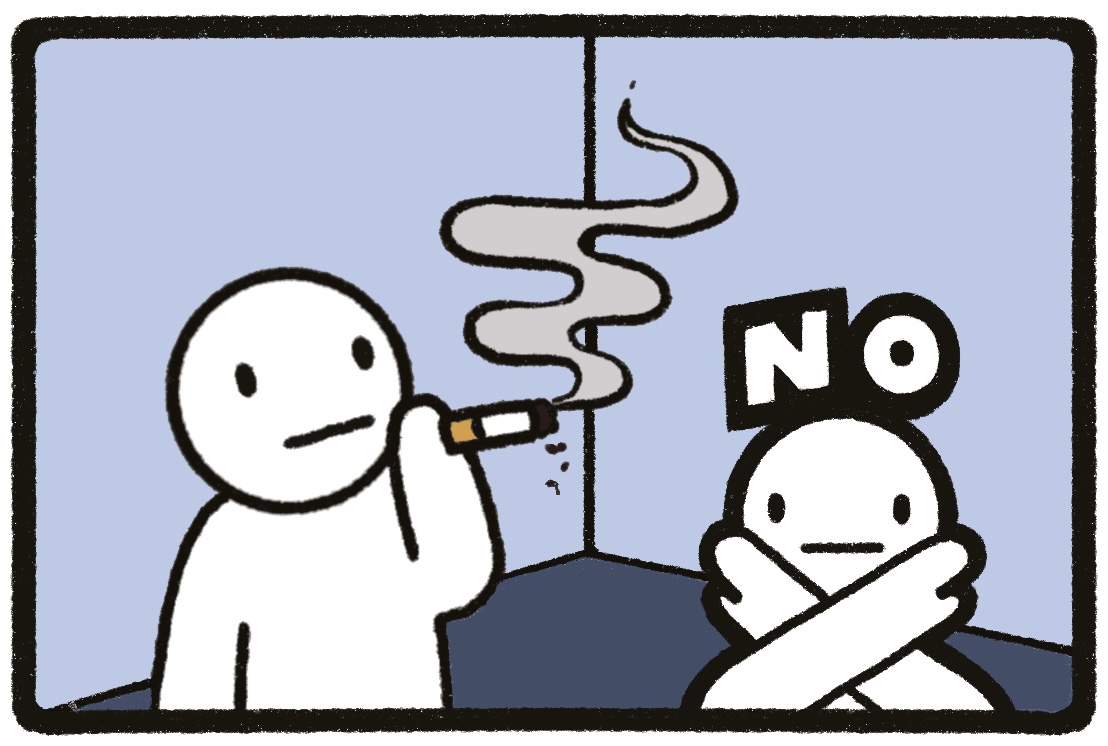
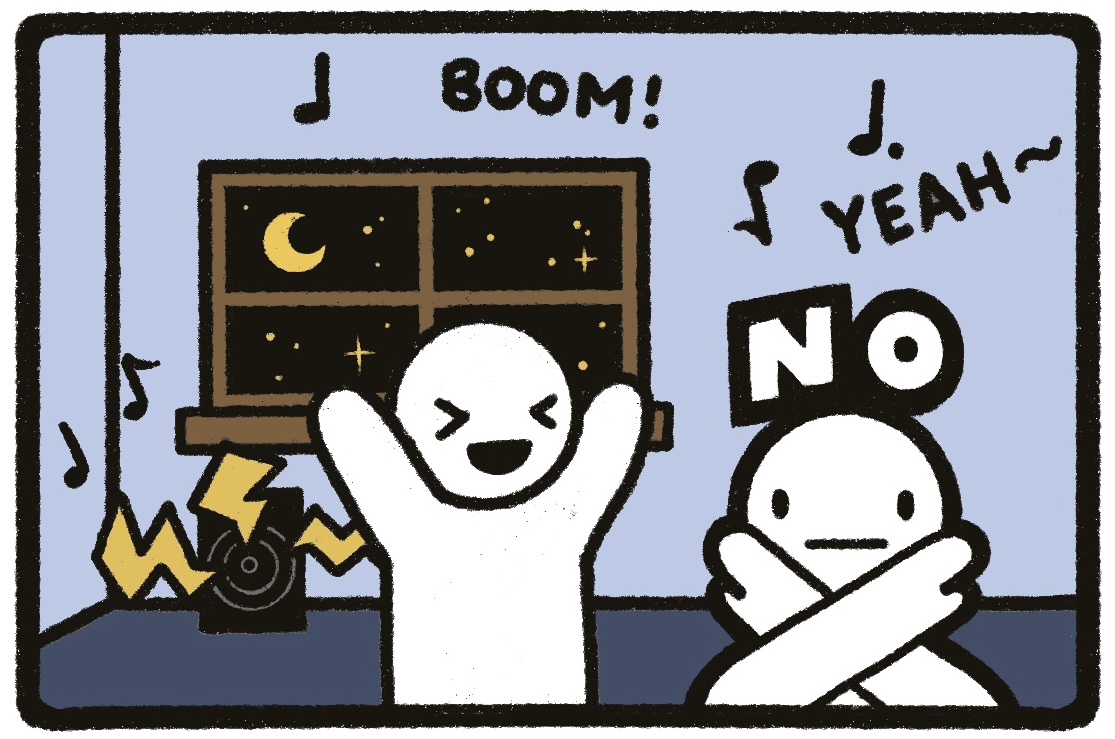
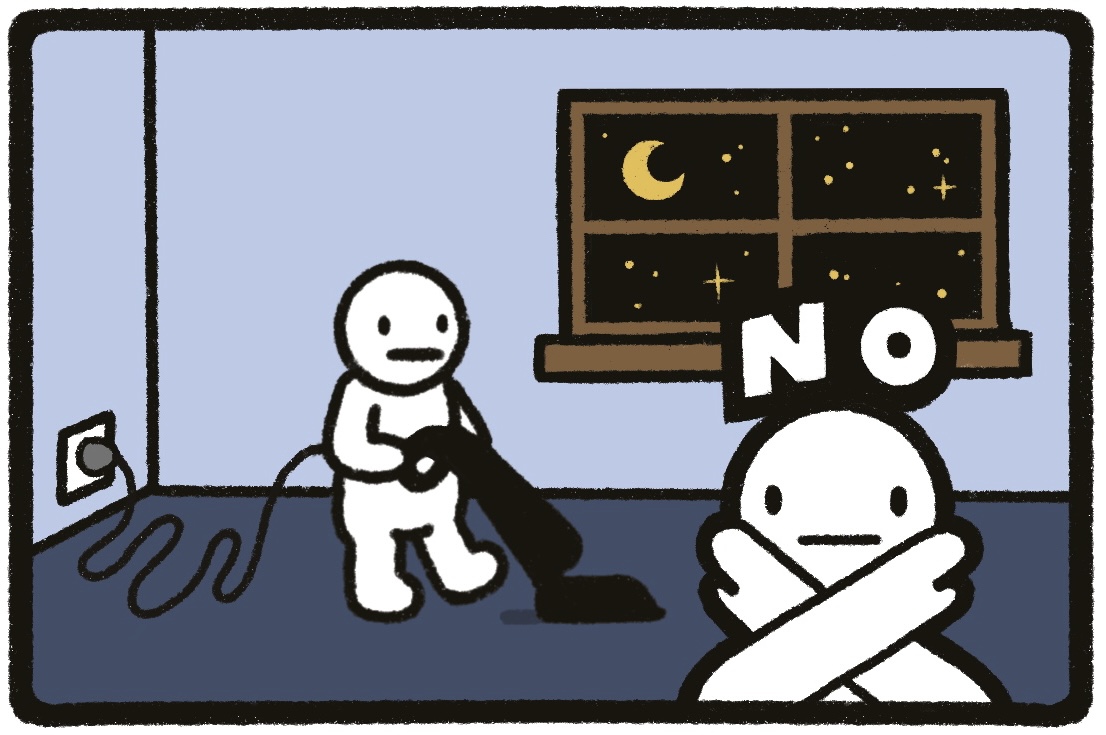
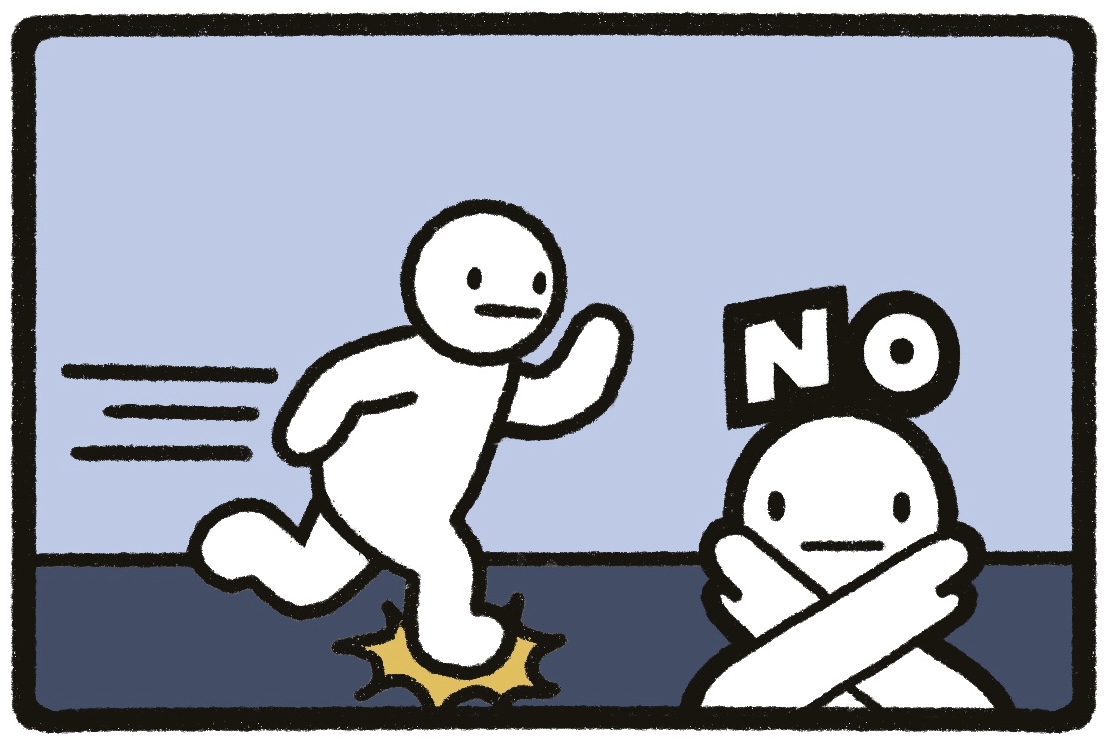
생활 예절 Neighborhood Etiquette
 |
 |
 |
 |
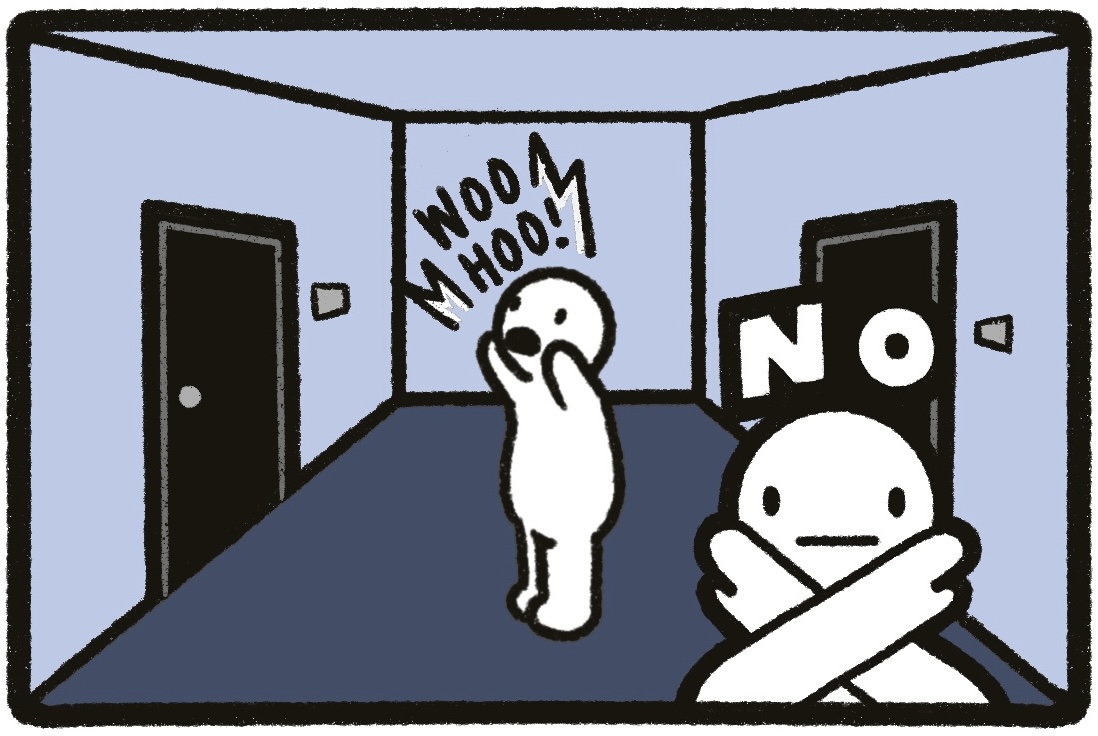 |
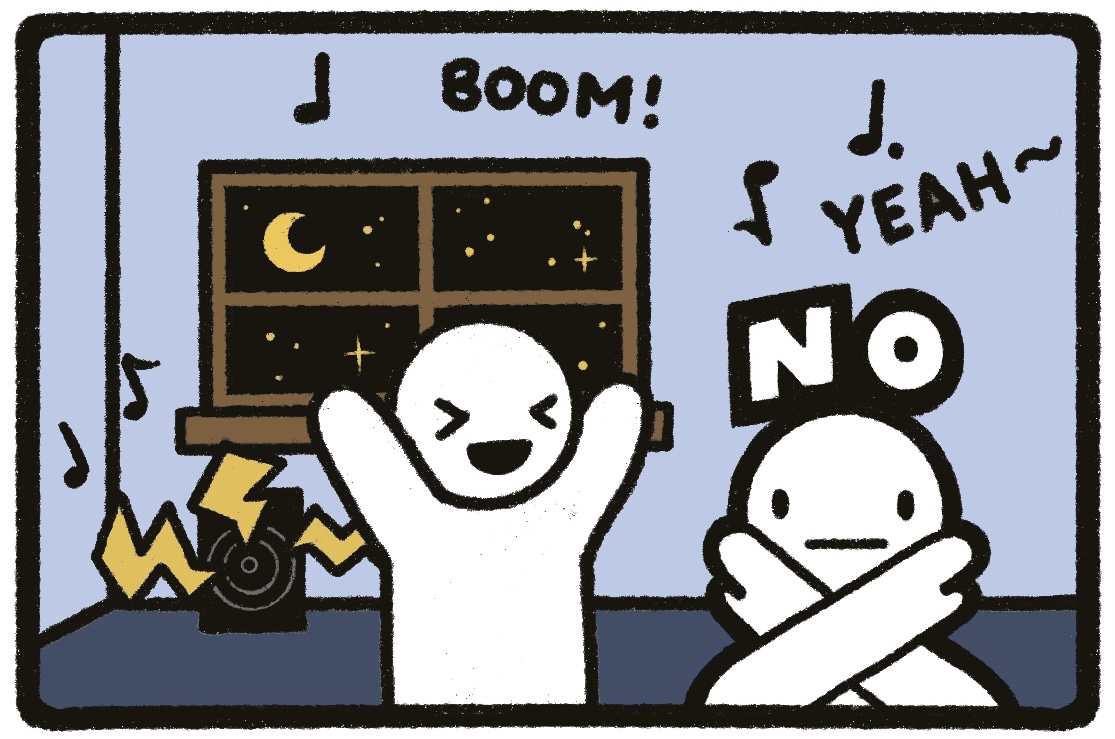
| 담배를 피우지 않기 | 밤에 음악을 크게 틀지 않기 | 밤에 청소기 돌리지 않기 | 집 안에서 뛰지 않기 | 층간 소음 내지 않기 |
| to not smoke a cigarette | to not turn on music loudly at night | to not run a vacuum cleaner at night | to not jump or run inside | to not make noise between apartment floors |
재활용 Recycling
 |
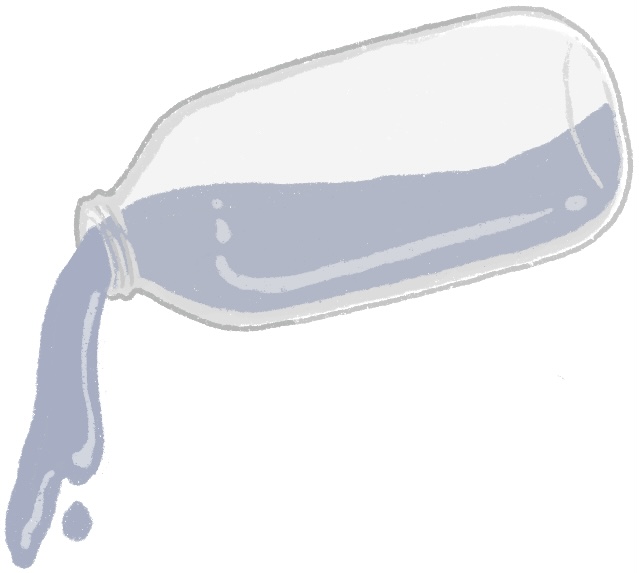 |
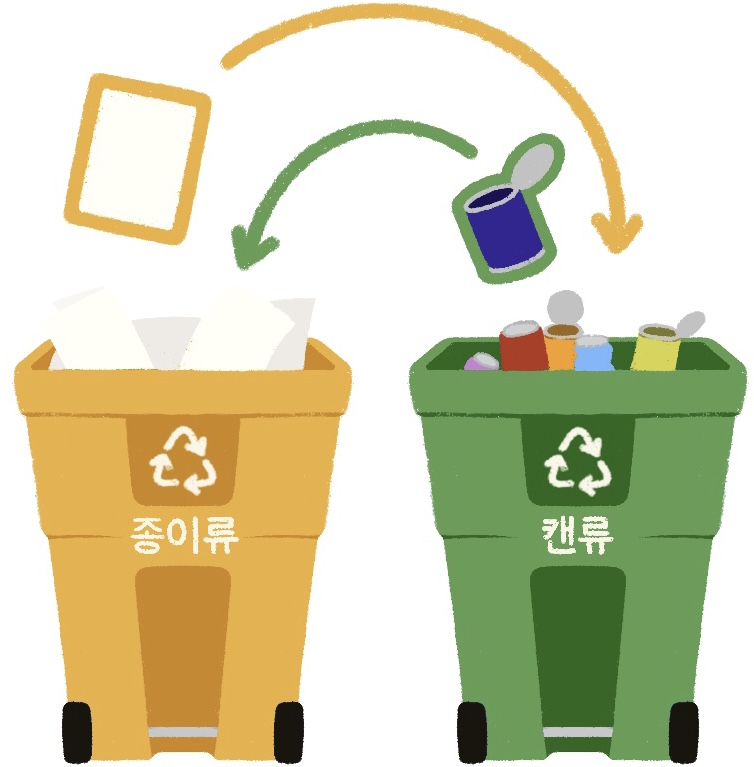 |
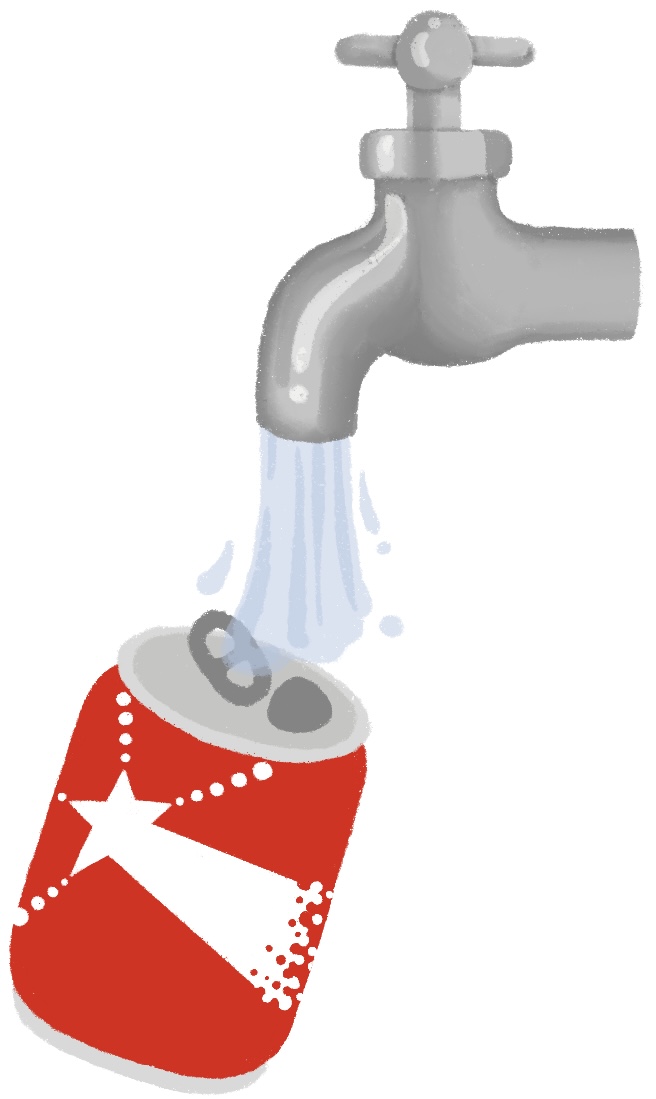 |
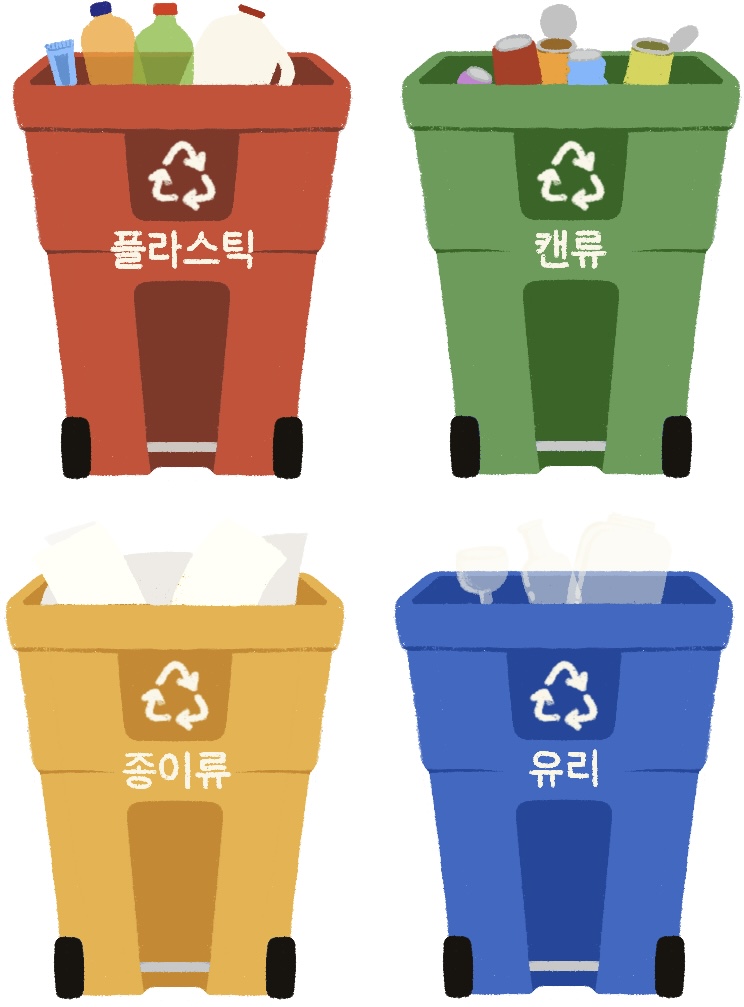 |
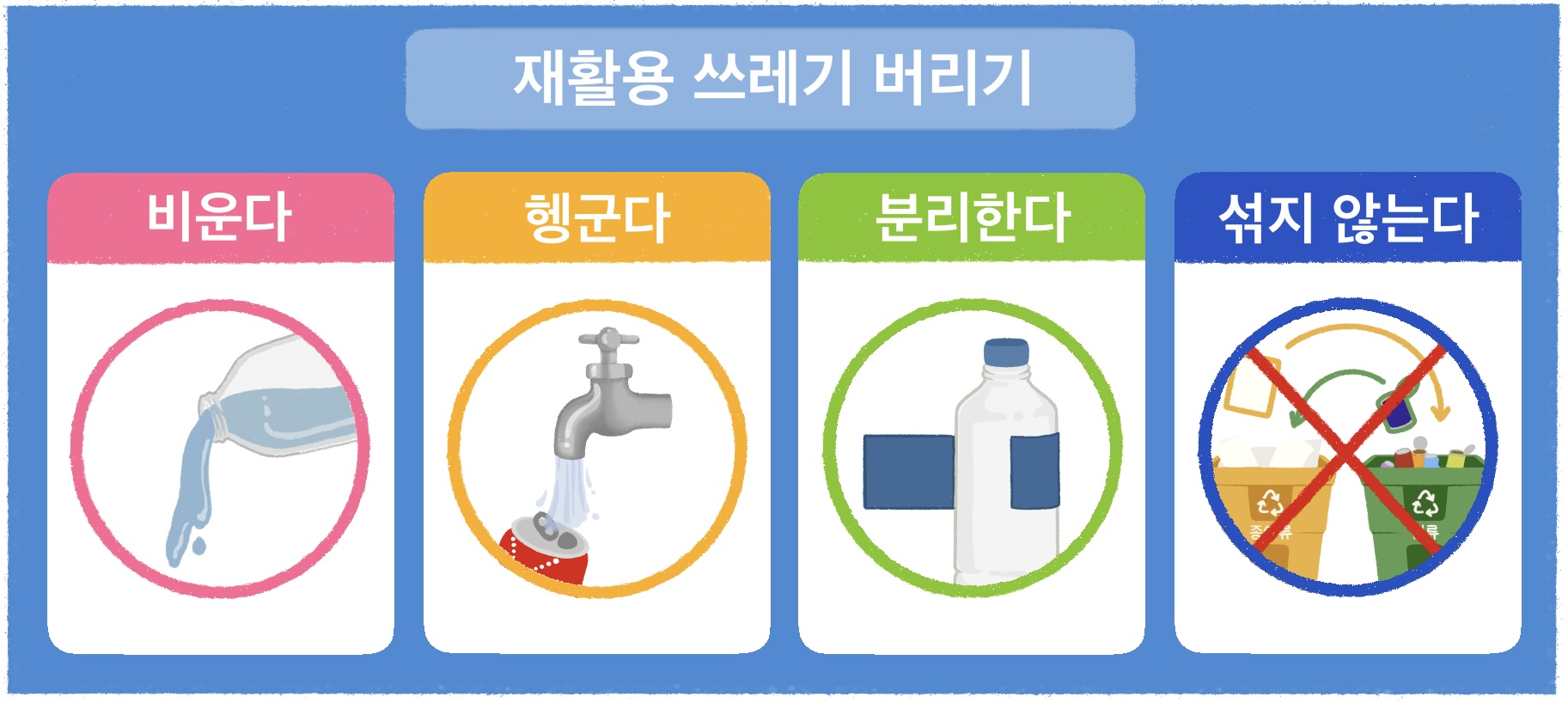
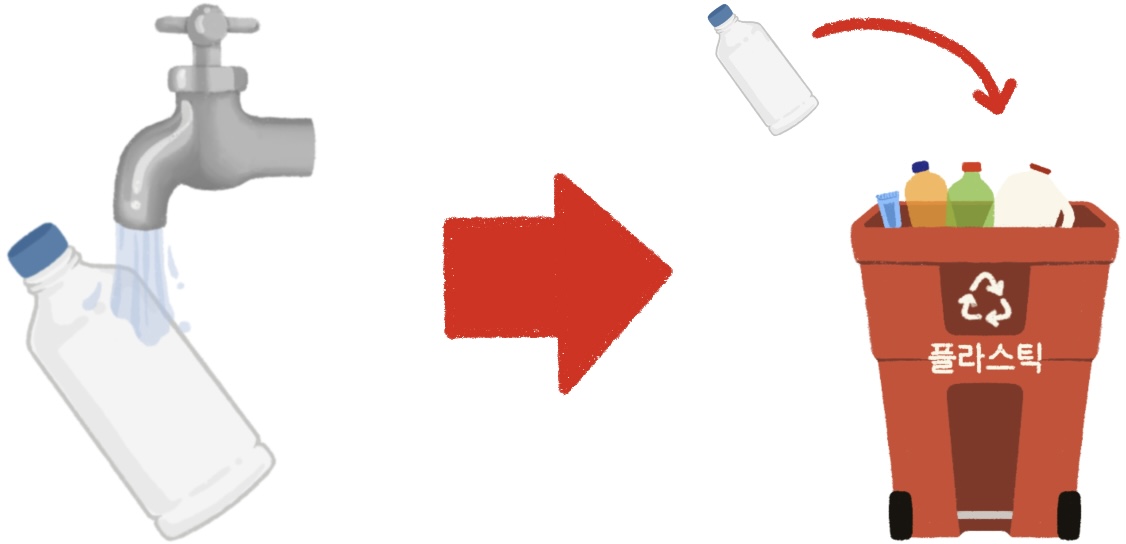
| 분리(하다) | 비우다 | 섞다 | 헹구다 | 분리수거(하다) |
| to separate | to empty | to mix | to rinse | to separate recyclables |
새 단어와 표현 Other Vocabulary and Expressions
| 규칙 | rules | 청소기 | vacuum cleaner |
| 담배 | cigarette | 놓다 | to put (in, on) |
| 문제 | problem | 돌리다 | to turn, to operate |
| 소리, (층간) 소음 | sound, noise (between floors) | 두다 | to place (in, on) |
| 쓰레기 봉투 | trash bag | 모으다 | to collect, to save |
| 예절 | manners, courtesy | 지키다 | to guard, to follow |
| 음식물 | food stuffs | 틀다 | to twist, to turn on |
| 일반 | general | 피우다 | to smoke something |
| 주민 | resident | 따로 | separately |
| 재활용 | recycling and reusing | 혹시 | by any chance |
| 규칙을 지키다 | to follow/obey rules | 티비, 라디오를 틀다 | to turn on TV, radio |
단어 메모지 Vocabulary Notes
1. 예절 Manners
예절 etiquette and 예의 manners have similar meanings, 예의 referring more to the entire system of manners while 예절 refers to the specific actions and proprieties.
| 예의가 바르다 | to have correct manners |
| 예절을 지키다 | to mind one’s manners |
| 예의가 바른 사람인데 새해 인사 예절은 잘 모른다. | They have good manners, but they don’t know the etiquette of the Korean New Year’s greeting. |
2. 혹시 By chance…?
혹시 is an adverb used to emphasize uncertainty on the part of the speaker. Use of 혹시 indicates politeness:
| 이 아파트 사세요? | Do you live in this apartment? |
| 혹시 이 아파트 사세요? | Do you live in this apartment by any chance? |
| 가: 비가 올지 모르니까 우산을 가져가. | It may rain – why not take an umbrella? |
| 가: 혹시 비가 올지도 모르니까 우산을 가져가. | Just in case it might rain – perhaps take an umbrella. |
| 나: 맞아. 혹시 모르지. | You are right. You never know. |
3. Causative Suffixes 우
크다, 비다, and 줄다 have the following causative pairs with the suffix 우 and 이 attached.
| 크다 to be big | ⇒ 키우다 to make (something/someone) grow; to raise something |
| 비다 to be empty | ⇒ 비우다 to make (something) empty; to empty something out |
| 줄다 to shrink | ⇒ 줄이다 to make (something) shrink; to shrink something |
4. 이용하다 and 사용하다 to use for….
사용 means handle, utilize, or use in a general sense; 이용 means put something to good use.
| 나 없는 사이에 내 전화를 사용하지 마. | Don’t use my phone while I’m gone. |
| 청소기 사용법 | how to use the vacuum cleaner |
| 저희 신제품을 많이 이용해 주세요. | Please make use of our new product. |
단어 연습
연습 1.
연습 2.
| 돌리다 | 뛰다 | 분리수거하다 | 지키다 | 틀다 | 피우다 |
이후: after (time)
금연: no smoking
연습 3.
생활 예절: Ask the following questions of yourself and your partner. Are you good neighbors? 😊
| 나 | 반 친구 | |
| 1. 밤에 음악을 크게 틉니까? | ||
| 2. 밤에 청소기를 돌립니까? | ||
| 3. 쓰레기통 을 잘 비웁니까? | ||
| 4. 방에서 뛰거나 큰 소리를 냅니까? | ||
| 5. 방 안에서 담배를 피웁니까? | ||
| 6. 재활용을 잘 합니까? | ||
| 7. 분리 수거를 합니까? | ||
| 8. Your own |
쓰레기통: trash can
1. Plain Style
1. Plain Style in Korean
When we speak Korean, we know how to vary sentence endings to be polite and formal or casual, depending on who we are talking to. When we write with a specific reader in mind, we can employ the same speech endings to address our reader as well, if the writing is personal. If you are writing to your friend, you can be casual. If you are writing to your professor, you can be formal or casual, but you probably want to be very polite. What about when you write for varied readers (like community rules on a bulletin board) or when you do not want any readers (like your journal entries)? In these cases, a sentence ending that is blind to social standing must be used: namely, the ‘No Specified Addressee (NoSA)’ Style or simply, the ‘Plain’ Style. Thus, stories reported in the newspaper, academic writing, some public announcements, and entries in your journal all use the Plain Style:
| 수영장 근처에서 뛰면 안 된다. | One should not run near the swimming pool. |
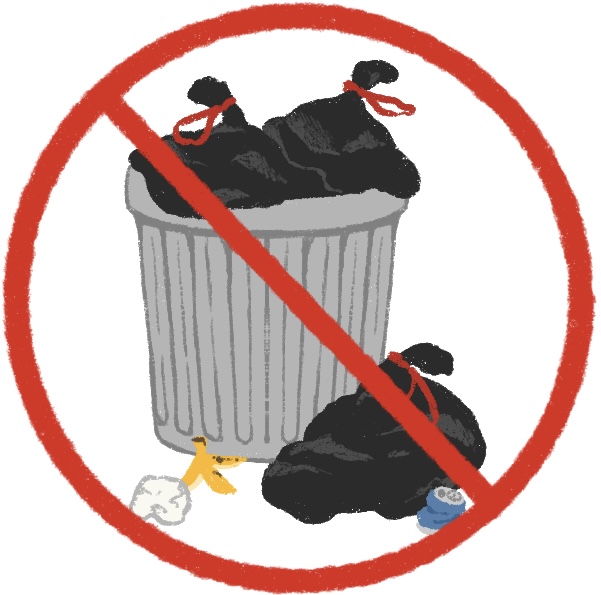
| 음식물 쓰레기는 따로 버려야 한다. | One needs to dispose of food waste separately. |
| 어제 동창회에서 옛날 여자친구를 봤다. | I saw my old girlfriend at the school union yesterday. |
Conjugation
The Plain Style can be used in speaking as well, but we are focusing on its written usage in this chapter.
To conjugate:
- For adjectives, use –다
- 이다, 있다/없다, –고 싶다, –기 싫다, –고 있다, and –(으)시 (with adjectives) conjugate like adjectives
- For verbs ending in a consonant, use –는다
- 있다 when it means to stay, it conjugates like verbs; –지 않다 and –아/어지다 conjugate like verbs;
- For verbs ending in a vowel, use –ㄴ다
- Verbs with –(으)시 conjugate like verbs
- For the past tense, use –(아/어)ㅆ다; For the future tense, use –(으)ㄹ 것이다 (–(으)ㄹ 거다 for short).
Beware: For 하다 verbs, the conjugation is XX한다. For 하다 adjectives, it is XX하다.
| 하다 adjectives (conjugated) | 하다 verbs (conjugated) |
| 이상하다 | 이사한다 |
| 깨끗하다 | 청소한다 |
| 피곤하다 | 준비한다 |
| 한가하다 | 등산한다 |
| 조용하다 | 운전한다 |
Add your own 하다 adjectives and verbs to the list!
| Verb Root | Dictionary Form | Conjugation Rule | Final Form | Examples |
| Adjective | 안전하다 가깝다 멀다 |
Same as the citation form | 안전하다 가깝다 멀다 |
동네가 안전하다. The neighborhood is safe. 집이 학교에서 가깝다. 친구집에서는 멀다. The house is close to school; far from my friend’s house. |
| 이다 | Same as the citation form | 이다 | 빌딩은 삼층이다. The building is/has three floors. |
|
| 있다/없다 | Same as the citation form | 있다/없다 | 시간이 있다. 돈은 없다. I have time. No money. |
|
| Verb | 듣다 비우다 재활용하다 |
Add는다/ㄴ다 | 듣는다 비운다 재활용한다 |
오스틴은 재즈 음악을 듣는다. Austin listens to jazz music. 유리병은 비운다. You are to empty glass bottles. 그 사람은 모든 것을 재활용한다. They recycle and reuse everything. |
| 있다 | Add는다/ㄴ다 | 있는다 | 육개월 동안 한국에 있는다. I’m staying in Korea for 6 months. |
|
| ㄹ–ending root (Verb) | 살다 | Delete ㄹ and add ㄴ다 | 산다 | 한국 사람들은 아파트에 많이 산다. Many Korean people live in apartments. |
| Past tense | 구하다 | –었/았다 | 구했다 | 오스틴은 새 아파트를 구했다. Austin got a new apartment. |
| Future tense | 받다 | –(으)ㄹ 것이다/거다 | –(으)ㄹ 것이다/거다 | 동생이 전화를 받을 것이다. My younger sibling will take a call. |
See how verbs and adjectives with stacked endings and helping verbs conjugate:
동네가 점점 위험해진다. 모두들 쓰레기도 아무 데나 버리고 있다. 집주인 아주머니는 신경을 못 쓰신다. 아니, 쓰지 않으신다. 여러가지 일로 항상 바쁘시다. 이곳에는 친구도 없다. 이 동네에서 살기 싫다. 학교 근처로 이사하고 싶다.
The neighborhood is getting more and more dangerous. Everyone is currently throwing away garbage just about anywhere. The landlady can’t give it too much attention. No, she doesn’t pay attention. She is always busy with various things. I don’t even have friends here. I don’t want to live in this neighborhood. I want to move near the school.
2. Conjugation
Try on your own:
| Dictionary Form | Present | Past | Future |
| 버리다 | 버린다 | 버렸다 | 버릴 것이다 |
| 듣다 | |||
| 만들다 | |||
| 시작하다 | |||
| 위험하다 | |||
| 길다 | |||
| 괴롭다 | |||
| 재활용이다 | |||
| 봉투다 |
<Answer key> 듣는다, 들었다, 들을 것이다, 만들다, 만들었다, 만들 것이다, 시작한다, 시작했다, 시작할 것이다, 위험하다, 위험했다, 위험할 것이다, 길다, 길었다, 길 것이다, 괴롭다, 괴로웠다, 괴로울 것이다, 재활용이다, 재활용이었다, 재활용일 것이다, 봉투다, 봉투였다, 봉투일 것이다
연습 1. Plain Speech Style
생활 예절: Describe relevant lifestyle etiquette using the plain style –는/ㄴ다.
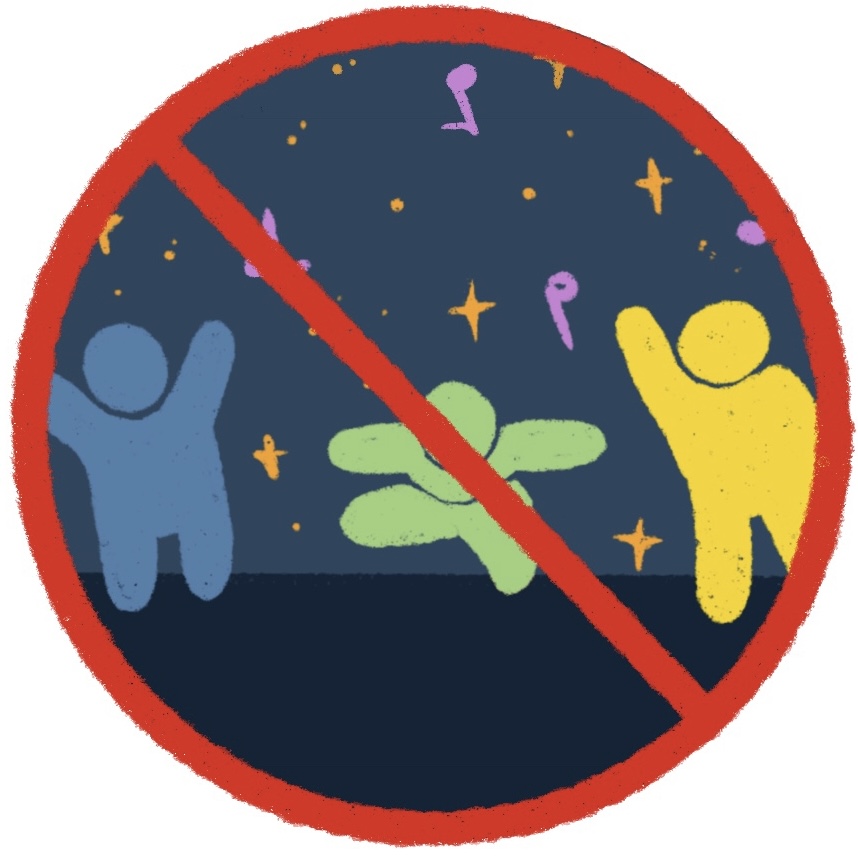
(맛보기) 아파트에서 댄스 파티를 하지 않습니다. ⇒ 아파트에서 댄스 파티를 하지 않는다.
 |
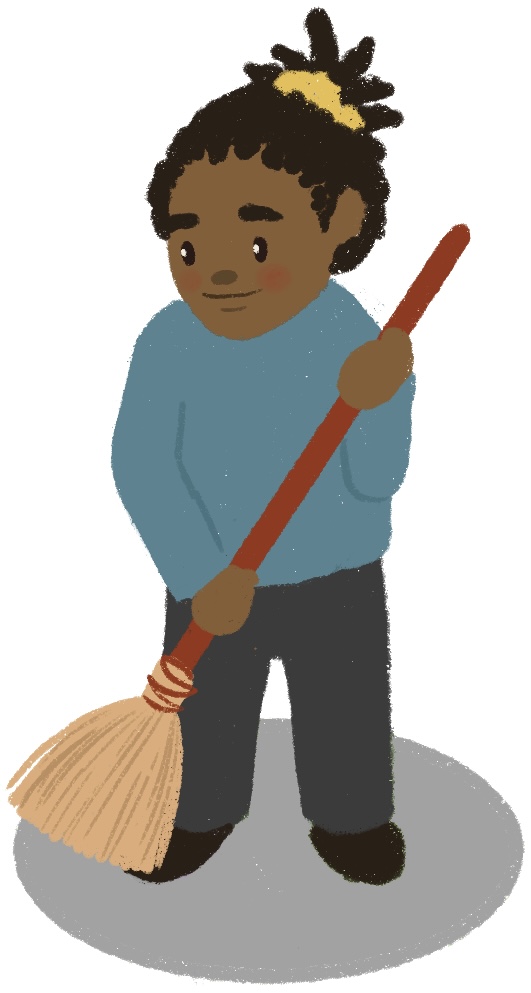 |
| 1. 아파트에서 댄스 파티를 하지 않습니다. | 2. 집 앞을 청소합니다. |
 |
 |
| 3. 밤에 음악을 크게 듣지 않습니다. | 4. 쓰레기를 치웁니다. |
 |
|
| 5. 병은 버리기 전에 잘 헹굽니다. | 6. 아파트 안에서 담배를 피우지 않습니다. |
|
|
| 7. 재활용 쓰레기를 분리합니다. | 8. 아파트에서 뛰지 않습니다. |
 |
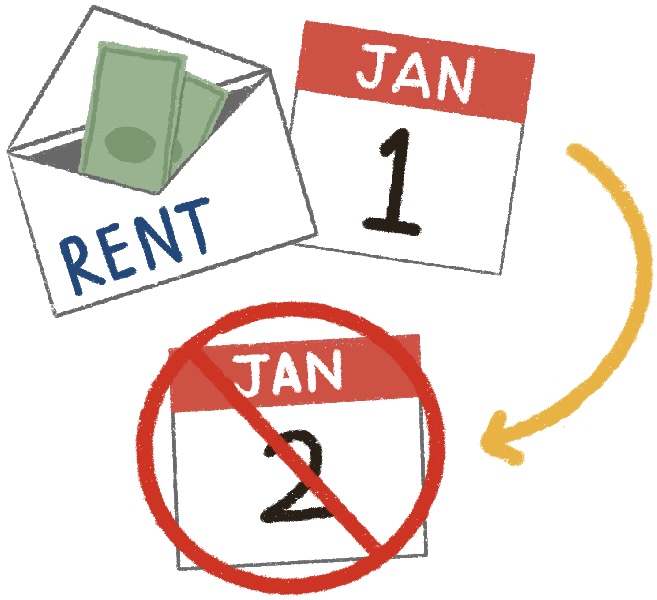 |
| 9. 주차를 이상하게 하지 않습니다. | 10. 월세를 1일에 냅니다. |
연습 2. Plain Speech Style
이렇게 한다! Convert the underlined part into the plain style as if you were writing a journal entry of to-do’s.
(맛보기) 한국에 여행가고 싶으면 어떻게 해야 할까?
(맛보기) 첫째, 돈을 모아요. ⇒ 돈을 모은다.
1. 둘째, 인터넷에서 싼 비행기 표를 찾아서 사요.
2. 셋째, 한국에 90일 이상 있으려면 영사관에서 한국 비자를 받아요.
3. 넷째, 한국어를 공부하고 한국 여행 계획을 세워요.
4. 다섯째, 달러를 한국 돈으로 바꿔요.
5. 여섯째, 짐을 싸요.
6. 일곱째, 한국으로 출발해요!
연습 3. Plain Speech Style
Write detailed directions for the following topics (example shown in 연습 2). Compare yours with other groups and see if your directions have anything missing.
- 기숙사 규칙
- 대학 생활을 잘 하기
- 재활용 쓰레기 분리수거하기
- 새로 이사갈 집을 찾기
- 인턴십 찾기 or 취업하기
- (요리 ____) 만들기
- Your own topic
2. A–대/V–(느)ㄴ대/N(이)래(요) Short-form Indirect Quotation

1. Indirect Quotation (Short Form, statements)
The PLAIN Style endings are also used when you report what others have said.
The basic structure for indirect quotation is [a sentence in PLAIN form + the connector 고 + a verb of saying]. This is the full form of indirect quotation. Here we’ll learn the more common shortened forms, –래요 from (이)라고 해요 and –(ㄴ)대요 from –(ㄴ)다고 해요.
Just like in English indirect quotation, where you can leave out the that connector, (e.g. I told him THAT he was a goof), you can leave out –고 in Korean in conversational speech (e.g. 그 사람 오늘 온다(고) 했지? He said he was coming today, right?). Taking it one step further, (ㄴ)다 + 해 blends into (ㄴ)대: 그 사람 오늘 온댔지? (from 온ㄷ(ㅏ고 ㅎ)ㅐㅆ지?).
| 저 사람이 새로 이사 온 사람이래. | They say that person is the new neighbor who just moved in. |
| 그 사람이 이 아파트는 층간 소음이 심하대. | He says this apartment has noise issues between floors. |
Since you use a PLAIN form for the sentence you are reporting that someone said, you don’t include any of the endings they might have used, such as “–지(요), –ㄴ데(요).
| 이 동네 참 조용하고 좋은데! | This neighborhood is quite quiet and nice! |
| ⇒ 그 동네가 참 조용하고 좋대. | They say the neighborhood is quite quiet and nice. |
–래요 and –(ㄴ)대요 forms are only for reporting statements and not questions, commands, or let’s suggestions. Also, you have to use a longer form or quotation for clarification of what “you” and “I” said. 뭐라고? Whadju say? 먹는다고! I said I’m eating this!
2. Conjugation
To conjugate:
- For the plain form of adjectives, add 대(요) to the adjective root.
- For the plain form of verbs, add –는대(요) after verb roots ending in a consonant, and –ㄴ대(요) after verbs roots ending in a vowel.
- For Noun이다, add –(이)래(요) after the noun.
- For the past tense, make the past tense root with 았/었 plus 대[요]).
- For the future tense (or conjecture about present situations), use –(으)ㄹ 거래(요).
|
Verb Root
|
Dictionary Form | Conjugation Rule | Final Form | Examples |
| Verb | 비우다 듣다 |
Add –ㄴ대/는대 | 비운대 듣는대 |
유리병은 비운대요. They say you (should) empty glass bottles. 오스틴은 재즈 음악을 듣는대요. They say Austin listens to jazz music. |
| ㄹ–ending root (Verb) | 살다 | Delete ㄹ + –ㄴ대 | 산대 | 한국 사람들은 아파트에 많이 산대요. They say many Korean people live in apartments. |
| NOUN(이)다 | 이웃이다 | –(이)래 | Noun이래 | 저 사람이 새 이웃이래요. They say that person is the new neighbor. |
| Adjective | 안전하다 가깝다 |
Add –대 | 안전하대 가깝대 |
동네가 안전하대요. They say the neighborhood is safe. |
| Past tense | 구하다 | –었/았대 | 구했대 | 오스틴은 새 아파트를 구했대요. They say Austin got a new apartment. |
| Future tense | 받다 | –(으)ㄹ 거래 | 받을 거래 | 동생이 전화를 받을 거래요. They say their younger sibling will take a call. |
Try on your own:
| Dictionary Form | Dictionary Form | Past | Future |
| 버리다 | 버린대요 | 버렸대요 | 버릴 거래요 |
| 듣다 | |||
| 만들다 | |||
| 시작하다 | |||
| 위험하다 | |||
| 길다 | |||
| 괴롭다 | |||
| 재활용이다 | |||
| 봉투다 |
<Answer key> 들었다, 들을 거래요, 만든대요, 만들었대요, 만들 거래요, 시작한대요, 시작했대요, 시작할 거래요, 위험하대요, 위험했대요, 위험할 거래요, 길대요, 길었대요, 길 거래요, 괴롭대요, 괴로웠대요, 괴로울 거래요, 재활용이래요, 재활용이었대요, 재활용일 거래요, 봉투래요, 봉투였대요, 봉투일 거래요
연습 1. Short-Form Indirect Quotation
Tell your friends what you heard about 민우 using –대/래요.
| (맛보기) | About Minwoo | I hear/heard that… |
| 민우는 대학생이 아니에요. | ⇒ 민우는 대학생이 아니래요. | |
| 민우는 이번 주에 바빠요. | ⇒ 민우는 이번 주에 바쁘대요. | |
| 민우는 오늘 저녁에 사물놀이 공연을 해요. | ⇒ 민우는 저녁에 사물놀이 공연을 한대요. | |
| 민우는 지난 학기에 졸업했어요. | ⇒ 민우는 지난 학기에 졸업했대요. |
| About Minwoo | I hear/heard that… |
| 1. 민우는 지금 룸메이트하고 아파트에 살아요. | |
| 2. 민우가 사는 아파트는 보증금이 비싸요. | |
| 3. 민우의 룸메이트가 아파트에 매일 친구들을 데리고 와요. |
|
| 4. 민우는 이제 담배를 피우지 않아요. | |
| 5. 민우는 아파트에서는 직장까지 걸어가요. | |
| 6. 민우는 너무 바빠서 배달 음식을 많이 시켜 먹어요. |
|
| 7. 민우는 어제 옆집에서 시끄럽게 댄스파티를 해서 옆집 사람들하고 싸웠어요. |
|
| 8. 민우는 이번 여름에 새 아파트로 이사할 거예요. |
연습 2. Short-Form Indirect Quotation
룸메이트를 찾는대요! Minji is looking for a roommate to share a two-bedroom apartment near the campus. Read Minji’s posting she made on the neighborhood housing website and pass on the information to your friends. Use the ending –대/래요.
| 학교 앞 방 두개가 있는 아파트에서 같이 살 룸메이트 여자분을 찾습니다. 아파트 앞에는 식당도 많고 슈퍼, 편의점이 있습니다. 캠퍼스까지 걸어서 5분 걸립니다. 이 아파트에 살면 기숙사에 사는 것만큼 학교에 가깝고 편리합니다. 아파트가 조용하고 층간 소음 문제도 없고 반려 동물도 키울 수 있습니다. 아파트 월세는 전기요금과 인터넷요금 포함해서 30만원입니다. 관심있는 분은 010-123-4567로 연락 바랍니다. |
연습 3. Short-Form Indirect Quotation
얘기해 주세요! Write what you heard from others about the following topics in detail (3 to 5 sentences each).
| (맛보기) | 대학교 생활 |
| 대학교 생활은 많이 바쁘고 힘들대요. 공부도 열심히 하지만 동아리 활동도 열심히 해야 한대요. 동아리 활동을 하면 친구들도 많이 사귈 수 있대요. 그리고 새로운 것도 배우고 여러가지 경험도 한대요 |
1. 동아리
2. 기숙사 생활 규칙
3. 아파트 생활 예절
4. 외국어 공부
5. 인기있는 드라마나 영화
6. Your own
3. V –아/어 놓다, 두다 Get Something Done and Ready for Future Use

1. V–아/어 놓다 get something done and ready
놓다 means to release or let go (of something), or put/set something down.
| 내 손 놓으세요! | Let go of my hand! |
| 가방은 여기 놓으세요. | Please put your luggage down here. |
When 놓다 is used as an auxiliary verb with the –어/아 form of preceding verb, the phrase all together means to get something done or leave it VERBed, often with the sense of in preparation or ahead of time (for a relatively imminent specific purpose), or perhaps with a sense of VERBing and letting go (of your worries). There is no perfect or consistent English translation, but see if you can get a sense of how this phrase works from the example sentences below. Verb–아/어 놓다 is only used with active/action verbs:
놓아 can be shortened to 놔 in spoken Korean.
| 창문 조금만 열어 놔. | (Open the window and) leave it open a crack. |
| 차는 저 주차장에 세워 놓으시면 됩니다. | You can leave the car parked in that parking lot. |
| 아니, 얘가 텔레비전을 틀어 놓고 어디 갔어? | Wait, where’d this kid go, leaving the TV (turned) on? |
| 너, 약속을 해 놓고 왜 안 왔어? | You had promised – how come you didn’t show up? |
| 내일 여행을 위해 미리 가방을 싸 놓으세요. | You should pack your bags in advance for the trip tomorrow. |
| 사람들한테 미리 전화 해 놓으세요. | Call people/everyone in advance. (so that they will be informed and be able to make plans ahead of time.) |
| 쓰레기통을 내 놨어. | I took out the trash can (for garbage pick-up). |
2. V–아/어 두다 get something done for future use
두다 means to keep in one place/leave aside (for future use).
| 쓰레기 봉투 어디에 뒀어? | Where did you put (hide away) the trash bag? |
| 가: 오늘 그 사람이 왜 그런 말을 했을까? | I wonder why she said such a thing today. |
| 나: 별 뜻 없었을 거야. 마음에 두지 마. | She probably meant nothing by it. Don’t brood over it. |
So, while Verb–아/어 놓다 means ‘to get something done and ready for a relatively imminent specific purpose’ (and in the sense that the task-to-do is out of one’s hair), Verb–아/어 두다 means ‘to get/leave something done and ready in place for a more distant future use.’ Some Korean speakers may not make any distinction between –아/어 놓다 and –아/어 두다.
| 지예는 모든 것을 마감일 일주일 전에는 다 끝내 둡니다. | Jiye gets everything done one week prior to a deadline. |
| 빈 병은 모두 어디 갖다 둘까요? | Where should I put all the empty bottles (for now)? |
| 빈 병은 여기에 모아 두자. | Let’s put aside (collect) empty bottles here. |
| 재활용 쓰레기는 화요일에 가져가요. 그 전에 다 분리해 두세요. | They pick up recycling waste on Tuesday. So, separate them all beforehand. |
3. Conjugation
These endings follow the –어/아 type conjugation rules. Try on your own:
| Dictionary Form | –어/아 놓다 | Dictionary Form | –어/아 두다 |
| 버리다 | 버려 놓다 | 듣다 | |
| 만들다 | 틀다 | ||
| 굽다 | 내다 | ||
| 자르다 | 가입하다 |
<Answer key> 만들어 놓다, 구워 놓다, 잘라 놓다, 들어 두다, 틀어 두다, 내 두다, 가입해 두다
연습 1. –아/어 놓다, 두다
이삿짐: things to move (to a new place)
연습 2. –아/어 놓다, 두다
걱정 마! Calm your partner down by telling them you are on top of things. Use –아/어 놓다 or –아/어 두다, and be creative!
(맛보기) 가: 여기 있던 청소기 못 봤어?
(맛보기) 나: 아, 부엌에 놔 뒀어.
1. 가: 다음 학기에 한국역사 강의 안 들을 거예요? 수강 신청 안 했어요?
1. 나: ________________________________________________________
2. 가: 아까 사 온 음료수가 어디 갔지? 못 봤어?
2. 나: ________________________________________________________
3. 가: 내일 출국하는데 왜 짐도 안 싸고 있어요?
3. 나: ________________________________________________________
4. 가: 다음 주에 기숙사에서 나가야 하는데 이사 갈 집은 구했어요?
4. 나: ________________________________________________________
5. 가: 재활용 쓰레기 버려야 하는데…
5. 나: ________________________________________________________
6. 가: 차 어디에 있어요? 아까 아파트 입구 앞에 있었는데 안 보이네요!
6. 나: ________________________________________________________
7. 가: 오늘 비가 올지 모르니까 우산을 가져가야 되는데 내 우산을 못 찾겠어.
7. 나: ________________________________________________________
연습 3. –아/어 놓다, 두다
다 해 놓을 겁니다! Brainstorm about what needs to be done before each activity or event. Make at least one –아/어 놓다 and one –아/어 두다 sentence for each situation.
(맛보기) 내년 여름 한국에 가기 전까지
(맛보기) ⇒ 내년 여름 한국에 가기 전까지 한국어 말하기 연습을 많이 해 놓아야 해요.
(맛보기) ⇒ 아르바이트를 해서 여행 비용도 많이 모아 두어야 해요.
1. 캠핑이나 여행을 가기 전에
2. 새 아파트로 이사하기 전에
3. 차를 사기 위해
4. K-pop 콘서트에 가기 위해
5. 다음 한국어 시험을 보기 전까지
6. 졸업하기 전에
7. 서른 살이 되기 전에
8. Your own
4. 종합 연습 Role Play
Create a role play with your partner using the key grammar expressions and new vocabulary from this lesson. Include 5 or 6 meaningful rounds of dialogue. Take turns and feel free to add details to make the conversation lively.
- Context: Two dormmates are talking about an upcoming move to a new apartment and sharing useful tips and etiquette for living in the apartment.
- Participants: A student and their friend who lives in the same dormitory
- Key Expressions: plain speech style, short-form indirect speech, –아/어 두다/놓다
- Sample dialogue:
 |
 |
 |
 |
Interpretive Task 1. 듣기
Austin found a great new place he likes and moved in. Listening to the dialogue between Austin and his next-door neighbor, write down notes in Korean to make an informative guide to the neighborhood.
| 아파트 생활 규칙 | |
|
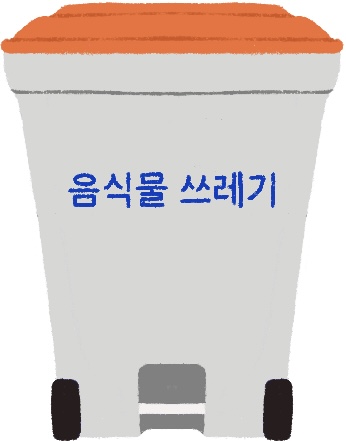
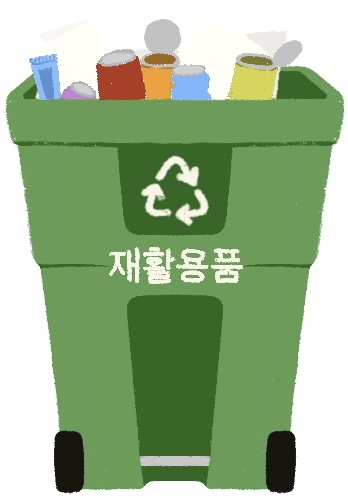
| 쓰레기 버리는 방법 | 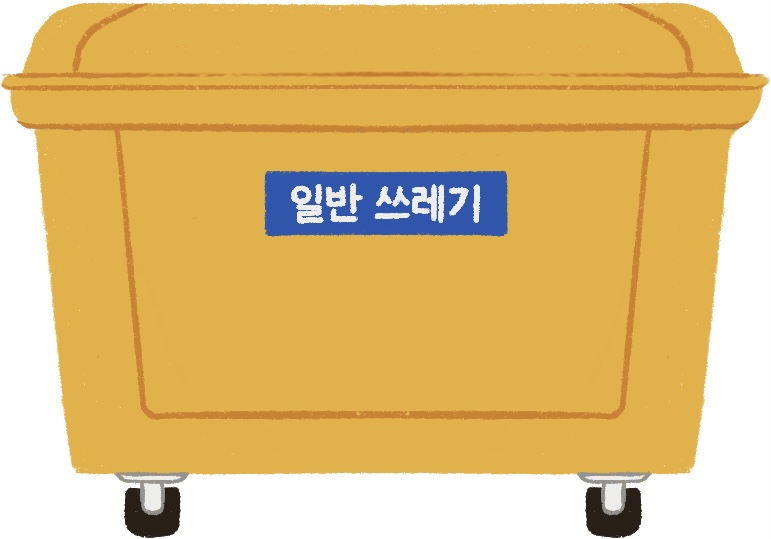 |
|
 |
|
|
 |
|
Now, talk with your classmates to share the information each of you wrote down. Try your best to use the quotation -대요/래요 ending you learned in this lesson. Then, listen to the dialogue again to see if you got all the helpful information.
Helpful Vocabulary
| 태국 | Thailand | 단톡방 (단체 톡 방) | group chat room | 생각보다 쉬워요 | it is easier than you think |
| 주차장 | parking lot | 방문자 | visitor | 공간 | space |
Interpretive Task 2. 읽고 말하기
Austin joined his neighbor group’s online site and found some helpful information for residents.
- Read the following notice on the apartment bulletin board. Take turns with your classmates sharing the information, using the quotation form –대/래(요).
- If your friends (who don’t know Korean) from the US visit you, how would you explain the suggested etiquette in English?
| 제목: 우리 모두 층간 소음을 줄이고 함께 즐겁게 생활합시다. |
| 주민 여러분, 안녕하십니까? 행복동 주민센터에서 층간소음을 줄일 수 있는 생활예절을 안내해 드리겠습니다. |
| 1. 운동은 동네 공원이나 운동장에서 한다. |
| 2. 집안에서는 뛰거나 공놀이를 하지 않는다. |
| 3. 새벽이나 밤에 청소기를 사용하지 않는다. |
| 4. 음악이나 TV 소리를 크게 하지 않는다. |
| 5. 의자가 가구를 옮길 때에는 바닥에 끌지 않는다. |
| 6. 벽이나 천장을 세게 치지 않는다. |
| 7. 아침 일찍/ 저녁 시간에는 벽에 못을 박지 않는다. |
| 8. 반려 동물들이 크게 짖지 않도록 조심한다. |
| 감사합니다. |
| 행복동 주민 센터 |
Helpful Vocabulary
| 공놀이 | ball games | 바닥 | floor | 새벽 | early morning |
| 끌다 | to drag | 못을 박다 | to put nails in | 짖다 | to bark |
| 천장 | ceiling |
Presentational Task 3. 토론하고 발표하기
Office of Residential Life: Residential Living Guidelines
Group work: 2-3 people in one group.
You are one of the undergraduate interns at your school’s Office of the Residential Life on Campus at Seoul University. Your office is updating the residential living guidelines for its incoming students.
1. Choose ONE topic from the following list.
- 기숙사 생활 안내: 기숙사 출입, 자전거 주차, 안전한 생활
- 기숙사 생활예절 안내: 소음, 쓰레기 버리기, 재활용하기, 배달 음식 쓰레기 처리하기 (handling)하기
- 기숙사 시설 이용 안내: 학생 식당, 체육관, 도서관, 부엌, 세탁실, 우편함, 샤워실, 화장실
- Your own
2. Discuss the essential information that the incoming students should pay attention to.
3. Lay out the content for your information booklet with your team members.
4. Present the guidelines your team prepared to the class and take questions and answer them.
Language Point: –은/는 3
은/는 with other markers
In the Language Point section of last chapter, we saw how은/는 replaces the subject marker -이/가 on a subject in a sentence with a nuanced consequence. When 은/는 marks the object of the sentence, it is usually for added contrast:
| 밥은 먹을 거지만 술은 안 마실 거야. | I’m going to have rice/a meal but not drink booze. |
When nouns with other markers are topicalized or contrasted, 은/는 is added after the marker:
| 현진이한테서는 연락이 왔어? | By the way, have you heard from 현진이? |
| 이런 시골에서는 뭐 하고 노나? | What does one do for leisure in a country town like this? |
| 이제 그 상점에는 가지 않기로 했어요. | We have decided not to go to that store. |
There are other kinds of nouns or noun phrases you can add 은/는 to mark a topic:
| 기 | |
| 가: 저, 갈게요. | 가: I’m going. |
| 나: 가기는 이 시간에 어딜 가세요? | 나: Going? What do you mean you are going at this hour? |
| 가: 나가기는 해야 되는데 너무 추워서… | 가: Gotta go out, but too cold… |
| 나: 춥기는요. | 나: Cold! / Cold it is not. |
| 고 | |
| 가: 시험공부하고 있어? | Are you studying for the test? |
| 나: 노력하고는 있는데 집중이 안돼. | I am trying, but I can’t concentrate. |
| 가: 그 사람 온대? | Did he say he’ll be here? |
| 나: 온다고는 하는데, 봐야지. | He says he is coming; we’ll see. |
| 같이 가고는 싶어도 돈이 부족해. | I do want to go together, but I am in want of money. |
| 지 | |
| 가: 이거 먹어도 돼? | Can I eat this? |
| 나: 냄새 맡는 건 괜찮은데 먹지는 마. | You can smell it – do not eat it. |
| 그 사람이 새 차를 산 건 아는데 사 차는 데 얼마가 들었는지는 몰라. | I know they bought a new car; I just don’t know how much it cost them. |
은/는 can even be attached to the connector -지만!
| 입가의 미소까지 그렸지만은 | I even drew your smile around your mouth, but… |
The new cool way to spell this is 그렸지마는!
What is TOPICalized or being CONTRASTed tends to come to the beginning of the sentence in Korean (presumably because people want to start with the thing that matters most in their mind). This is true of OBJECTS, and any PLACE and TIME expressions.
| 목요일에는 수업이 없어요. | Thursday, there is no class. |
| 한국에는 가 봤지만 일본에는 아직 안 가 봤어요. | Korea I’ve been to, but not to Japan. |
| 학생회관에서는 이메일을 할 수 있지만 도서관에서는 이메일을 할 수 없어요 | The Student Center you can do email at but not at the library. |
If the TOPIC is a TIME or a PLACE, the marker 에 is often deleted in spoken Korean.
| 이번 주 목요일은 수업이 없어요. | There is no class this Thursday. |
| 한국은 가 봤지만 일본은 아직 안 가 봤어요. | Korea I’ve been to, but not to Japan. |
| 한국은 가죽 잠바가 싸요. | In Korea, leather jackets are cheap. |
한국 문화 길잡이
공동생활예절
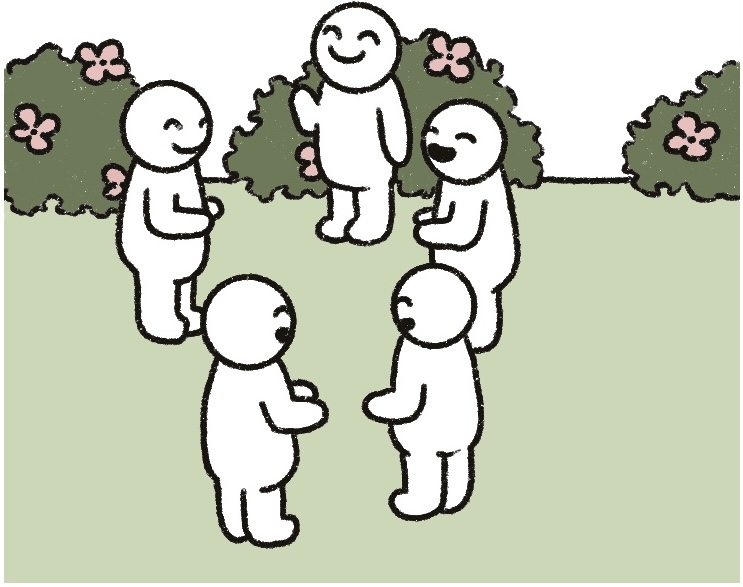
Conflicts between neighbors have increased significantly in Korea due to more time spent at home during the pandemic. Do you know any common neighborhood etiquette and guidelines when living in an apartment complex in Korea? Let’s take a look at the most frequently mentioned apartment etiquette and rules and compare the similarities and differences between the US and Korea.
- First of all, noise between floors could cause undue stress to other residents. To reduce noise between floors, it is helpful to attach noise prevention pads or soft slippers on the legs of chairs. Also, refrain from using washing machines and vacuum cleaners late at night and early in the morning.
- Smoking is strictly prohibited indoors for the safety of residents living in the building.
- Pet owners must comply with the Pettiquette; Make sure to use a leash and carry a poop bag when going for a walk with your pet.
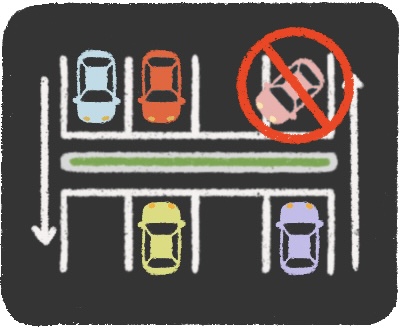
- Respect the parking lines, as parking is tight.
- For everyone’s safety, the corridors and stairs of an apartment must be kept clear.
- Recycling guidelines must be strictly followed and recyclable items separated appropriately; Transparent PET bottles, plastic, paper, and glass bottles should be put into separate recycling bins.
Find more information online and see if you can add anything to the list.
할 수 있어요! I Got This!
Check to see if you can do the following:
- Read and understand the main ideas of instructions and manuals
- Pass on what you heard someone say
- Share information about neighbor etiquette
| Listening Script
|
|
| 옆집 사람: | 안녕하세요? 새로 이사 온 분이시죠? 저 옆집에 살아요. |
| 오스틴: | 네, 안녕하세요? 오스틴이라고 합니다. 미국에서 왔어요. 잘 부탁드립니다. |
| 옆집 사람: | 네, 저는 라니라고 해요. 태국에서 왔어요. 반갑습니다. |
| 오스틴: | 라니 씨, 반갑습니다. 제가 한국 생활이 처음이라서 모르는 게 많은데요. 제가 주의해야 할 게 뭐가 있을까요? |
| 라니: | 아, 저희 아파트에 생활 규칙이 있는데요. 말씀드릴까요? |
| 오스틴: | 잠깐만요. 폰에 메모해 두려고요. 네, 됐어요. 말씀해 주세요. |
| 라니: | 네, 우리 아파트는 밤 10시 이후에는 조용히 해야 돼요. 그래서 텔레비전을 크게 틀거나 청소기를 돌리면 안 됩니다. 층간소음 때문에 요즘 이웃들이 문제가 많대요. |
| 오스틴: | 아, 그렇군요. 밤10시가 지나면 조용히 해야 한다. 메모했어요. 쓰레기는 어떻게 버려야 되나요? |
| 라니: | 먼저, 일반 쓰레기는 봉투를 사서 그 봉투에 버리세요. 그리고 음식물 쓰레기는 따로 버려야 돼요. |
| 오스틴: | 일반 쓰레기는 봉투를 사서 그 봉투에 버린다. 그리고 음식물 쓰레기는 따로 버린다. 네, 감사합니다. 그럼 재활용 쓰레기는요? |
| 라니: | 재활용 쓰레기는 분리수거를 하거든요. 여기 사인이 있네요. 비운다. 헹군다. 분리한다. 섞지 않는다. |
| 오스틴: | 비운다. 헹군다. 분리한다. 섞지 않는다. |
| 라니: | 네, 이것만 지키시면 문제없을 거예요. 여기 제 전화번호 드릴게요. 질문이 더 있으시면 편하게 연락 주세요. |
| 오스틴: | 네, 그럴게요, 좋은 정보 많이 알려 주셔서 감사합니다. |