Main Body
5 Lesson 16: 푸른 은행이 보일 거예요.
푸른 은행이 보일 거예요.
학습 목표 Goals
By the end of this lesson you will be able to:
-
Understand the main ideas of simple directions
- Give directions to get to somewhere
- Share information about available transportation apps in Korea
들어가기 Setting Up
Lesson Focus
- INGREDIENTS – 단어 Vocabulary
- Directions & Passive verbs
- RECIPE – 문법과 표현 Grammar
- Passive Verbs
- V–자마자
- V–(으)니까 2
- LET’S COOK – 해 봐요! Classroom Tasks
- Interpretive Task 1. Hannah and her friend’s voice messages
- Interpretive & Interpersonal Task 2. Transportation app review
- Interpersonal & Presentational Task 3. Weekend excursion
- KOREAN FLAVORS – 한국어와 한국 문화 Korean Language and Culture
- Pseudo-Passives
- Getting around in Seoul: the Subway
- NOW YOU TRY! – 스스로 해봐요! Async. Practices and Tasks
- Integrated Performance Task Link
- WB Link
짝하고 얘기해 봐요! Share your thoughts!
How do you introduce yourself in Korean? What information would you share with someone you are meeting for the first time?
Now let’s read these two dialogues. What are they talking about?
 |
 |
 |
길찾기 Directions
 |
 |
 |
 |
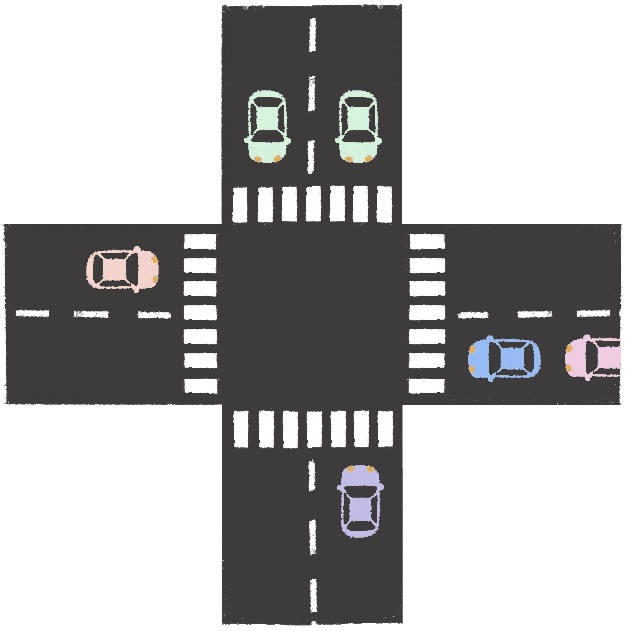 |
| 오른쪽 | 왼쪽 | 입구 | 출구 | 사거리 |
| right side | left side | entrance | exit | intersection |
 |
 |
 |
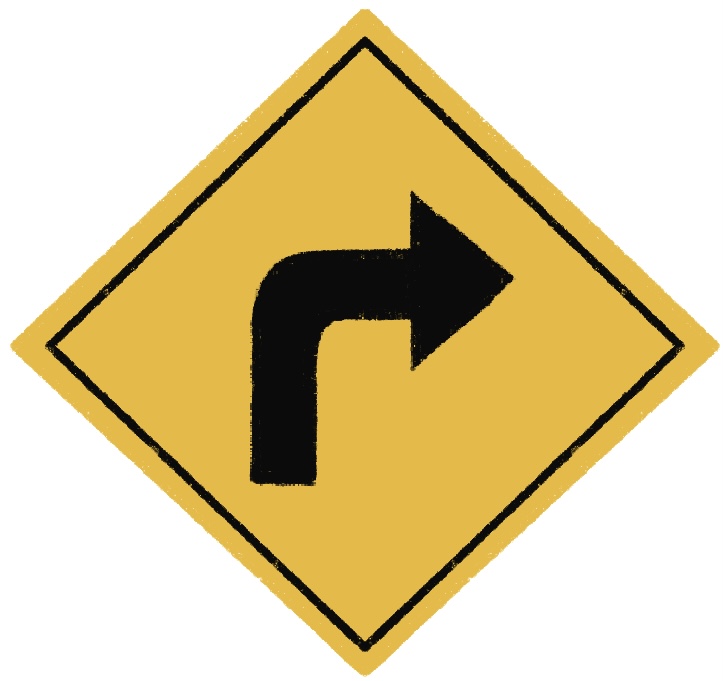 |
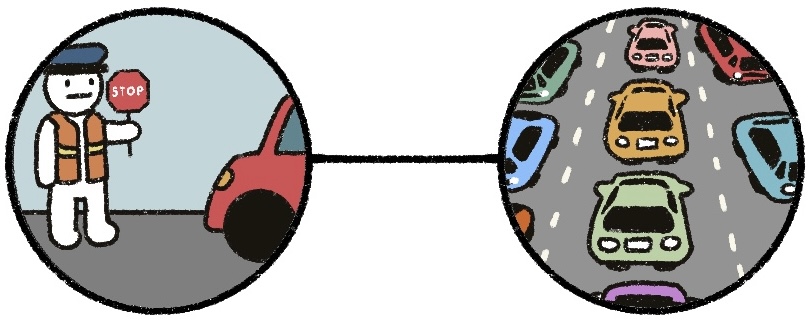 |
| 신호등 | 교통앱 | (길을) 건너다 | 돌다/돌아가다 | 지나다 |
| traffic light | transportation app | to cross | to turn/turn around | to pass |
Passive Verbs
 |
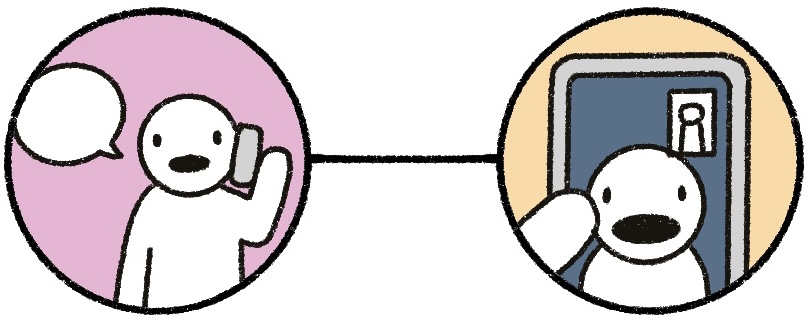 |
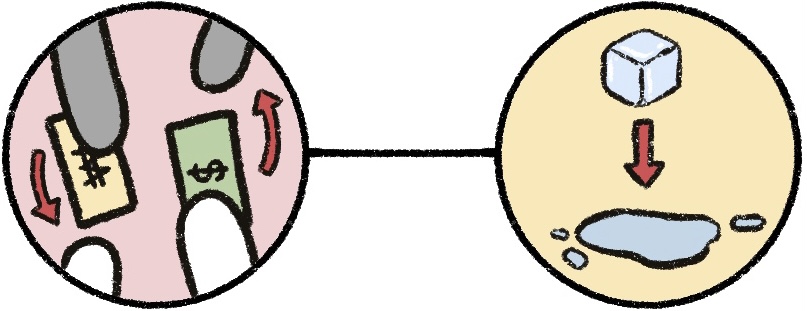 |
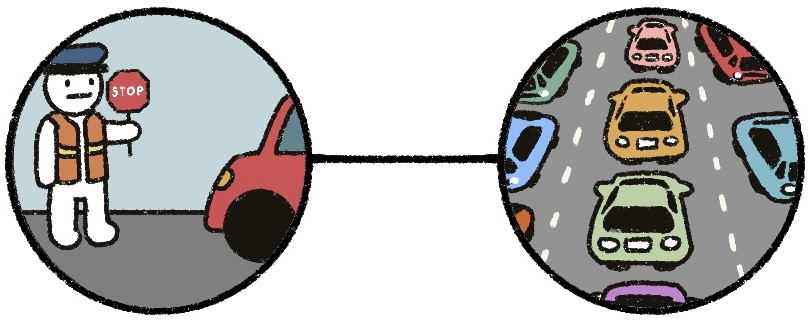 |
 |
| 보다 – 보이다 | 쓰다 – 쓰이다 | 바꾸다 – 바뀌다 | 막다 – 막히다 | 찍다 – 찍히다 |
| to see – to be seen, visible | to see – to be seen, visible | to change – to be changed | to block – to be blocked | to block – to be blocked |
 |
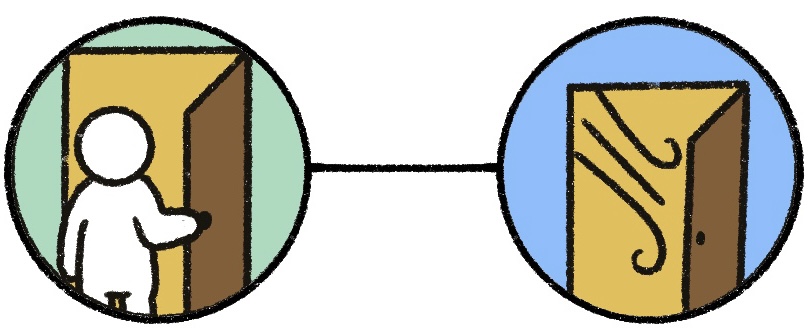 |
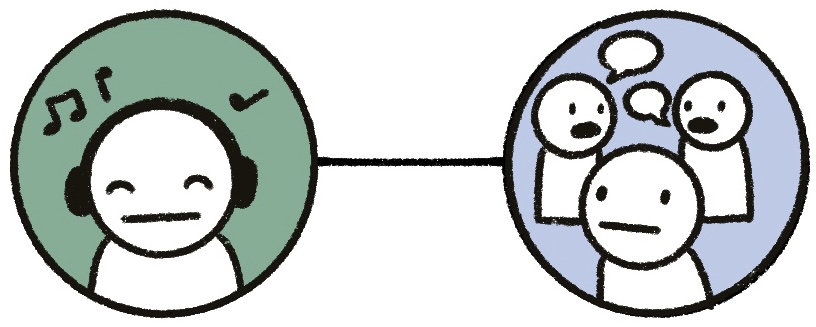 |
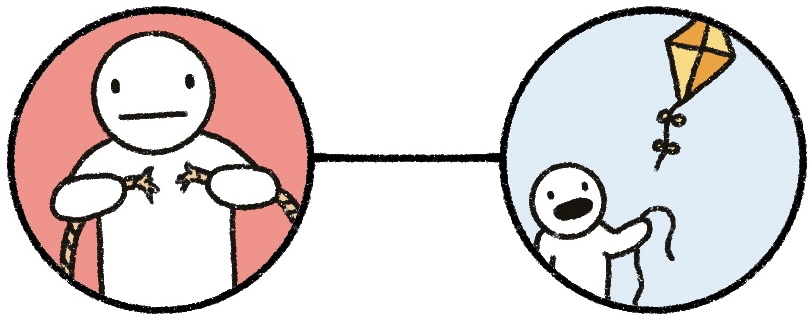 |
 |
| 닫다 – 닫히다 | 열다 – 열리다 | 듣다 – 들리다 | 끊다– 끊기다 | 안다 – 안기다 |
| to close – to be closed | to open – to be opened | to hear – to be audible | to cut – to be cut | to hug – to be held |
새 단어와 표현 Other Vocabulary and Expressions
| 건물 | building | – 호선 | Line – (subway) |
| 공사중 | under construction | 갈아타다 | to transfer (buses/trains) |
| 상가 | commercial building | 고장나다 | to break down |
| 진동 | vibration | 헷갈리다 | to get confused |
| 쪽 | direction, way | 방금 | just now/a moment ago |
| 길을 찾다/못찾다 | to (not be able to) find the way | 잠이 들다 | to fall asleep |
| 저기요 | Excuse me (attention-getter) | 진동으로 하다 | to set to vibrate mode |
단어 메모지 Vocabulary Notes
1. –중 In progress
The suffix –중 after verbal Sino-Korean nouns shows that an action is in progress:
| 회의중 | meeting in progress | 준비중 | in preparation | |
| 공사중 | construction in progress | 수업중 | class in session now | |
| 식사중 | during a meal/at the table | 통화중 | line is busy | |
| 수리중 | under repair | 영업중 | open for business | |
| 대화중 | during a conversation |
See how –중 can also be used with -에 or 이다:
| 회의중에 전화가 왔다. | I got a phone call in the middle of the meeting. |
| 교수님을 뵈려고 학교에 들렀는데 수업중이셨다. | I stopped by school to see the professor, but she was in class. |
2. 길 Expressions
길, meaning road in Korean, is used in a variety of fixed expressions and idioms.
| 큰길 | main street, big street | 길찾기 | getting/finding directions |
| 길을 잃다/잃어버리다 | to get lost | 길을 못찾다 | to not be able to find the way |
| 길눈이 밝다 | to have good sense of direction | 길눈이 어둡다 | to have a bad sense of direction |
3. 나오다 to come out from
나오다 means to come out and can be translated various other ways such as appear, make an appearance, come on the scene, come out in view, etc.
| 지하철 역에서 나오면 커피숍이 보일 거예요. | If you get out of the subway station, you will see a coffee shop. |
| 조금만 더 가면 버스정류장이 나와. | If you go a little further, you will see a bus stop. |
| 그 영화에 내 최애 가수가 나와. | My favorite singer stars/cameos in that movie. |
| 값싼 아파트가 시장에 나왔다. | A cheap apartment came out on the market. |
| 아까 구름이 꼈었는데 이젠 해가 나온다. | It was overcast a while ago; now the sun is coming out. |
단어 연습 New Vocabulary Exercises
| 건물 | building | – 호선 | Line – (subway) |
| 공사중 | under construction | 갈아타다 | to transfer (buses/trains) |
| 상가 | commercial building | 고장나다 | to break down |
| 진동 | vibration | 헷갈리다 | to get confused |
| 쪽 | direction, way | 방금 | just now/a moment ago |
| 길을 찾다/못찾다 | to (not be able to) find the way | 잠이 들다 | to fall asleep |
| 저기요 | Excuse me (attention-getter) | 진동으로 하다 | to set to vibrate mode |
연습 1.
연습 2.
우리 동네에: Write where you can find the following places in your neighborhood.
1. 사거리
2. 높은 건물
3. 상가
4. 공사중
5. 지하철역 입구
6. 신호등
연습 3.
| 건너다 | 나가다 | 돌다 | 막히다 | 보이다 | 저기요 |
1. 피동동사 Passive Verbs

1. Passive verbs
I broke the window. The window was broken. Depending on how you say the “same” content, you can decide to reveal information about the doer or not to. This is the power of using passive sentences (the second one above). Rather than shuffling the words around in a sentence (like ‘the window’ being the object in the active and the subject in the passive sentences in English), you need to memorize the passive form of the verbs in Korean. When you hear them enough, you get used to them.
In passive sentences, the focus is not someone doing something to or with something. Rather, the thing (or person) undergoing something is the focus and thus is the Subject. So, in Korean, the verb shapes and the noun markers are different in passive versus active sentences. Like so:
| 내가 창문을 깼다. | I broke the window. (Active) |
| 창문이 깨졌다. | The window was broken. (Passive) |
Translation of the passives in Korean can vary. Sometimes it is [was ..-ed], other times can (with the look/see, and listen/hear pairs), and at times the English verb form doesn’t even change.
| 끊다 – 끊기다 | |
| 전화를 벌써 끊었어? | Did you hang up the phone already? |
| 전화가 끊겼어. | The phone was/got disconnected. |
| 보다 – 보이다 | |
| 저 산을 좀 봐! 아주 멋있지? | Look at that mountain! How cool! |
| 여기서는 가게가 안 보이네. | The building is not visible from here, huh. You/we can’t see the building from here, huh. |
| 팔다 – 팔리다 | |
| 모든 한국 식당에서 한정식을 파나요? | Do all Korean restaurants sell full-course Korean meals? |
| 요즘 신문이 잘 안 팔린다. | Newspapers don’t sell (“get sold”) well these days. |
2. Passive verbs
Passives verbs are usually the active verb base + 이, 히, 리 or 기. Which of these four forms attaches to which verb is loosely decided by the shape of the base verb.
| –이 | 보다–보이다 | to see, watch – to be seen, visible | 건물을 봤다. 건물이 보였다. |
I saw a building. A building is visible. |
| 쓰다–쓰이다 | to use, spend – to be used, to be spent | 교통 카드를 쓴다. 교통 카드가 쓰인다. |
I use a transportation card. A transportation card is used. |
|
| 바꾸다–바뀌다 | to change to be changed |
역 이름을 바꿨다. 역 이름이 바뀌었다. |
They changed the station name. The station name has been changed. |
|
| –히 | 찍다–찍히다 | to print; to take photos – to be branded, printed | 사진을 찍는다. 사진이 찍힌다. |
I take a picture. A picture is/gets taken. |
| 닫다–닫히다 | to close – to be closed | 문을 닫는다. 문이 닫힌다. |
I am closing the door. The door is closing. |
|
| 막다–막히다 | to block – to be blocked | 길을 막았다. 길이 막혔다. |
They blocked the road. The road has been blocked. |
|
| –리 | 열다–열리다 | to open something – to be opened, (something) to open | 문을 열었다. 문이 열렸다. |
I opened the door. The door was open. |
| 팔다–팔리다 | to sell something – to be sold | 차를 팔았다. 차가 팔렸다. |
I sold a car. A/the car was sold. |
|
| 자르다–잘리다 | to cut something – to be cut | 머리를 잘랐다. 사진이 잘렸다. |
I cut my hair (I had my haircut.) Someone got cut out of the photo. |
|
| –기 | 안다–안기다 | to hug, hold in arms – to be held in arms | 엄마가 아기를 안았다. 아기가 엄마한테 안겼다 |
A mother held a baby. A baby was held by their mother. |
| 끊다–끊기다 | to stop, quit, disconnect – to be cut (off), disconnected | 전화를 끊었다. 전화가 끊겼다. |
I hung up the phone. The phone was hung up. |
If you need to or want to express who did the action involved in a passive sentence, you can use 한테(서) (or 에게서). If the causer of the action is inanimate, you can use 에 or 으로:
| 버스에서 누가 발을 밟았다. | Someone stepped on my foot on the bus. |
| 버스에서 누구한테서 발이 밟혔다. | My foot was stepped on by someone on the bus. |
| 바람이 내 방의 문을 쾅하고 닫았다. | A wind slammed the door of my room shut. |
| 바람에 내 방의 문이 쾅하고 닫혔다. | The door of my room got slammed shut by the wind. |
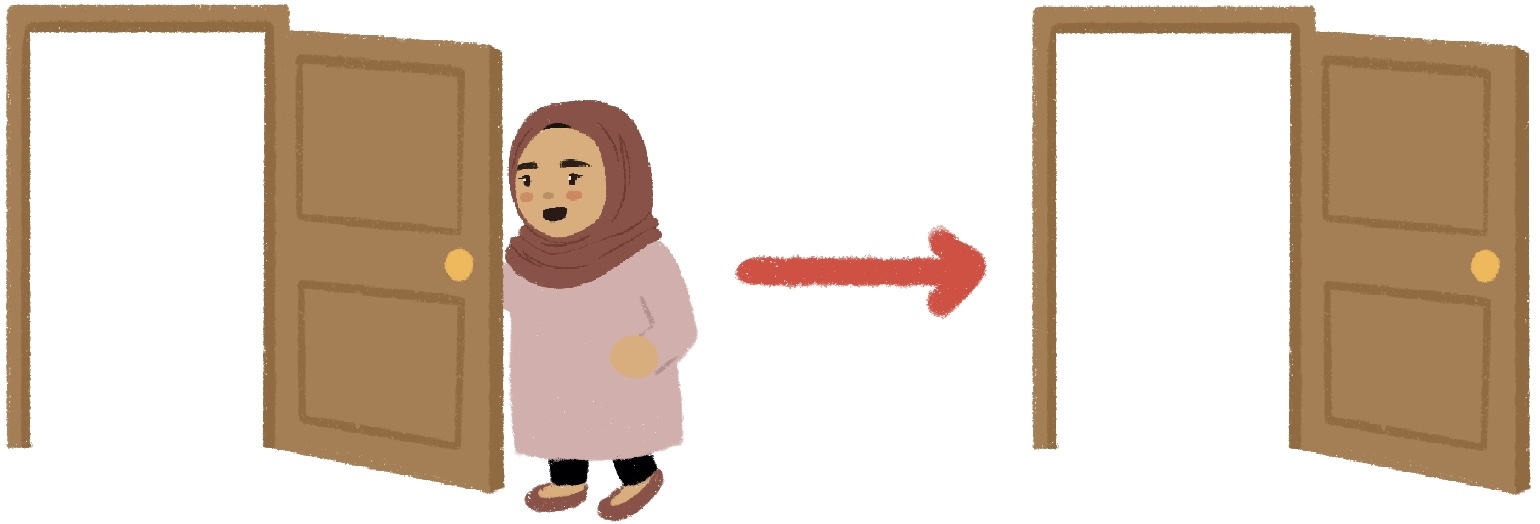
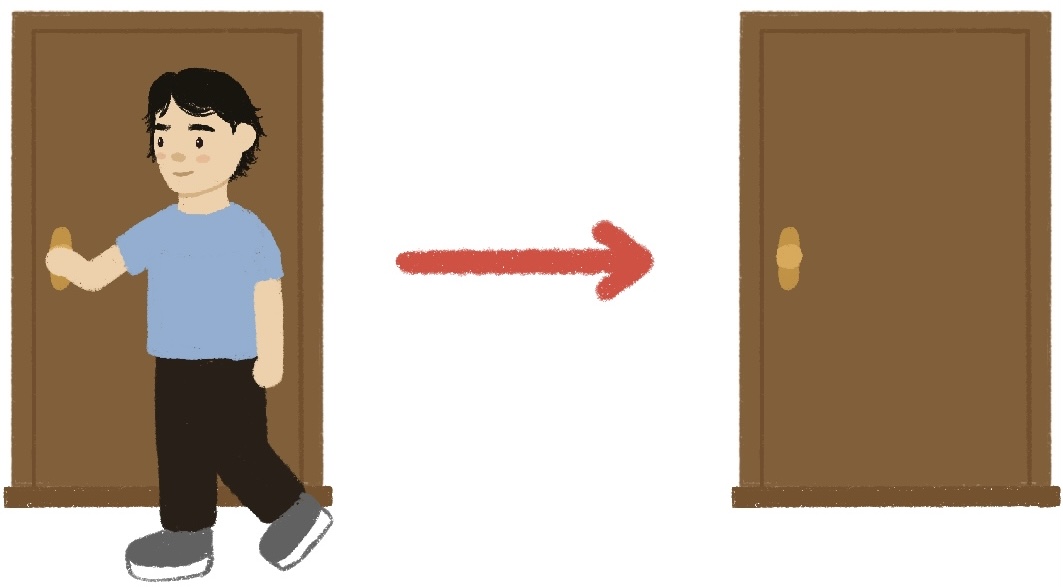
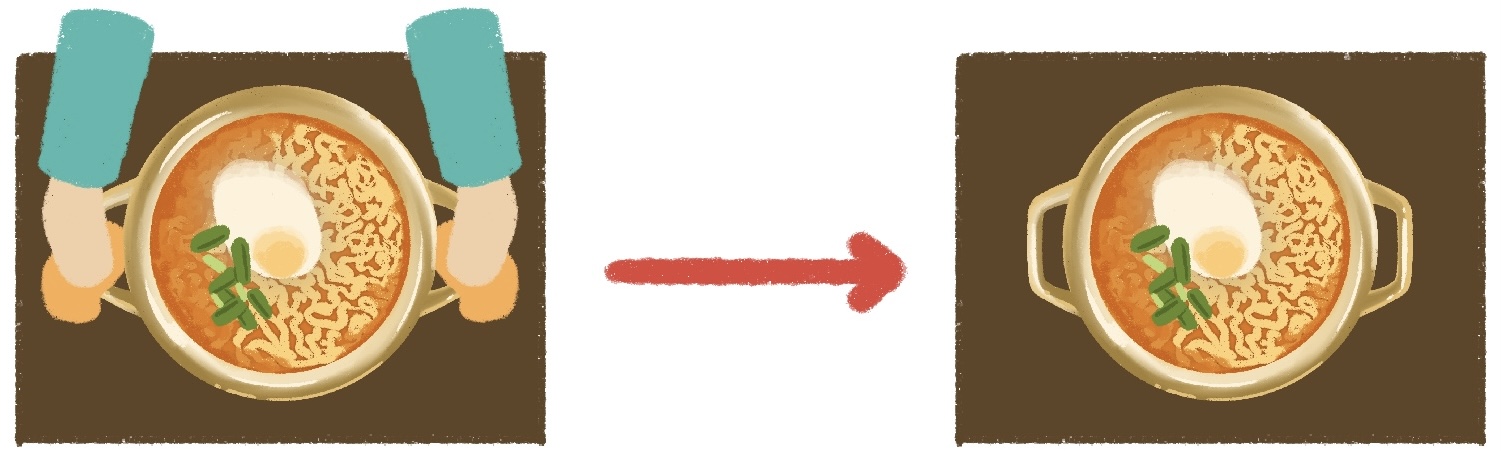
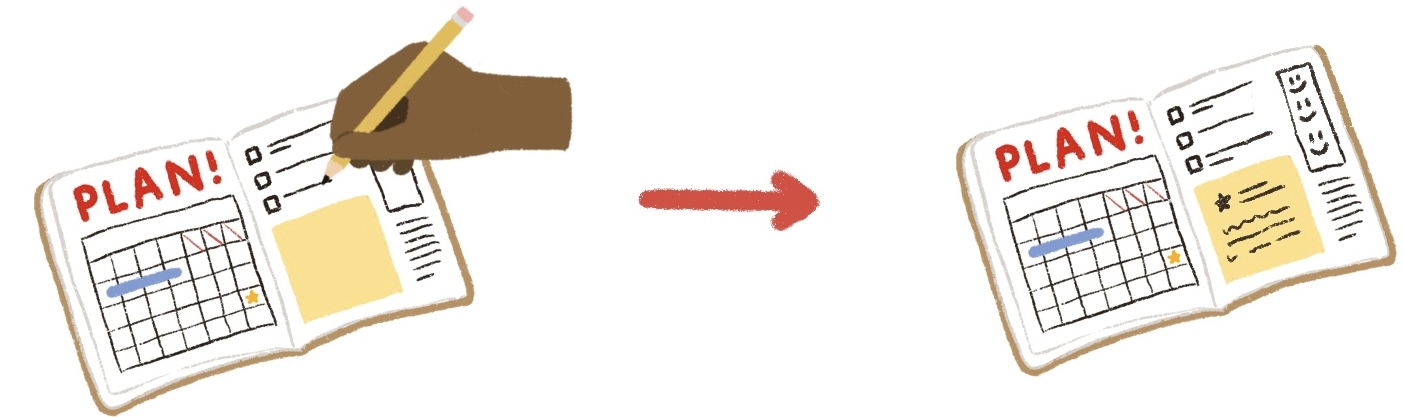
Some passive verbs are used with –어 있다 when the result of the action done lingers on or continues:
 |
 |
 |
 |
 |
| 열다 ⇒ 열려 있다 (was opened and thus is open still) |
닫다 ⇒ 닫혀 있다 (was closed and thus is closed still) |
놓이다 ⇒ 놓여 있다 (was put down and thus is placed somewhere still) | 쌓이다 ⇒ 쌓여 있다 (was piled on and thus is stacked) | 쓰다 ⇒ 쓰여 있다 (was written and thus is written still) |
| 날씨가 좋아서 창문을 열었다. | I opened the window because the weather was nice. |
| 창문이 열렸다. | The window was opened. |
| 창문이 열려 있다. | The window is (currently) open. |
3. Conjugation
Try on your own:
| Dictionary Form | Passive | Dictionary Form | Passive | Dictionary Form | Passive |
| 먹다 | 치다 | 보다 | |||
| 듣다 | 팔다 | 닦다 | |||
| 읽다 | 자르다 | 닫다 | |||
| 안다 | 막다 | 찍다 |
<Answer key> 먹히다, 들리다, 읽히다, 앉히다, 치이다, 팔리다, 잘리다, 막히다, 보이다, 닦이다, 닫히다, 찍히다
연습 1. Passive
연습 2. Passive
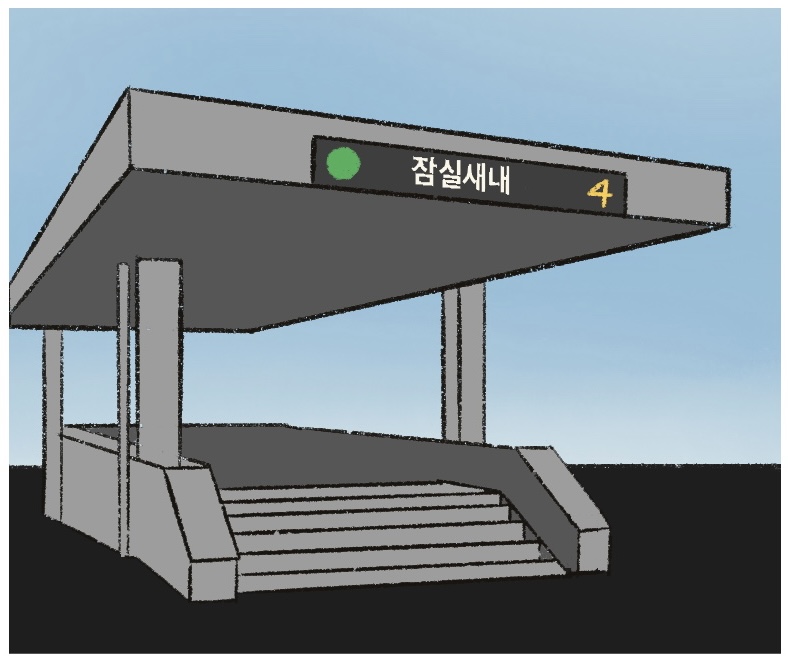
| 막다 | 열다 | 보다 | 닫다 | 바뀌다 |
연습 3. Passive
Give a response to the prompt. Use a passive verb fitting for the context.
(맛보기) 가: 왜 이렇게 늦었어요?
(맛보기) 나: 길이 많이 막혀서 늦었어요. 미안해요.
1. 가: 음악 좀 크게 해 줄래요?
1. 나: 아, 그래요? 지금은 잘 ________________?
2. 가: 민수 씨가 요즘 학교에 안 나와요. 민수 씨한테 전화해 봤어요?
2. 나: 아까 했는데 전화번호가 ________________ 것 같아요.
3. 가: 어디서 찬 바람이 들어 오네요.
3. 나: 아, 저기 창문이 ________________네요.
4. 가: 혹시 제 휴대폰 못 보셨어요?
4. 나: 아까 보니까 저기 소파 위에 ________________있었어요.
5. 가: 올해 여름은 정말 너무 더웠지요?
5. 나: 네. 그래서 에어컨 이 정말 많이 ________________대요.
6. 가: 우리 고양이 어디 있지?
6. 나: 동생한테 ________________있어.
7. 가: 앗! 지금 빨간 신호등을 지나왔어요!
7. 나: 미안해요. 조금 전에는 노란색이었는데 신호등이 ________________.
에어컨: air conditioner
연습 4. Passive
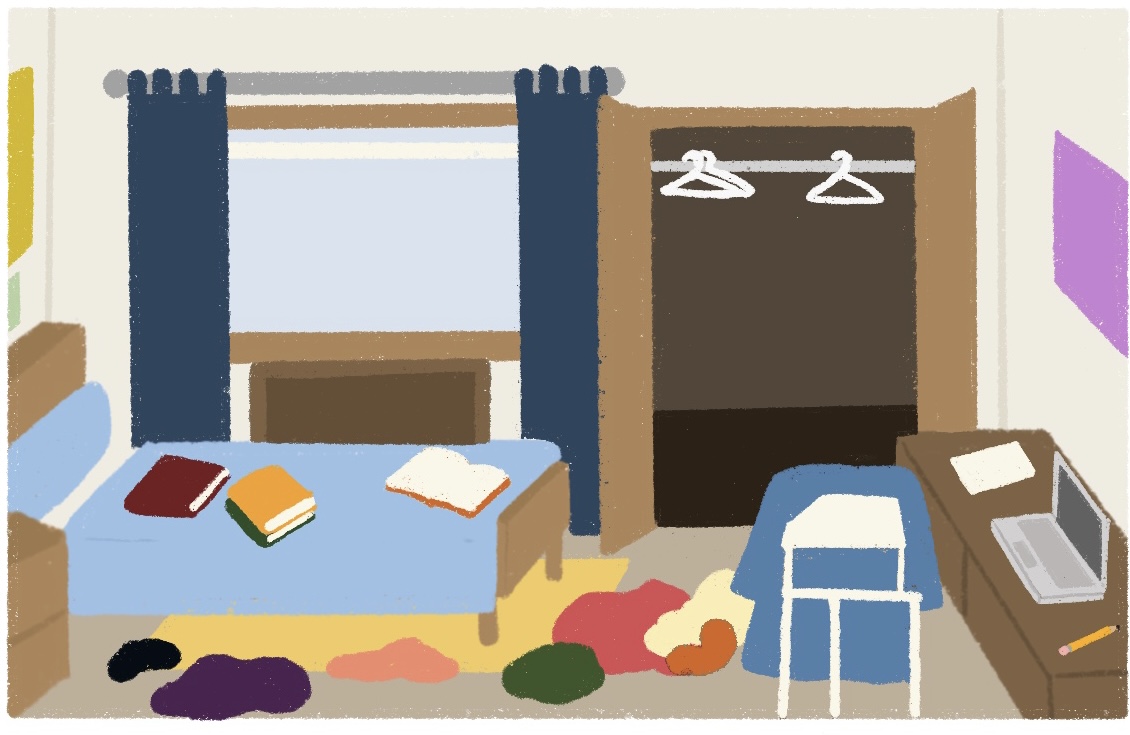
Describe the changes that took place in the room before and after cleaning and reorganizing Kai’s new place.
(그림 예)
| 청소 전 | 청소 후 |
 |
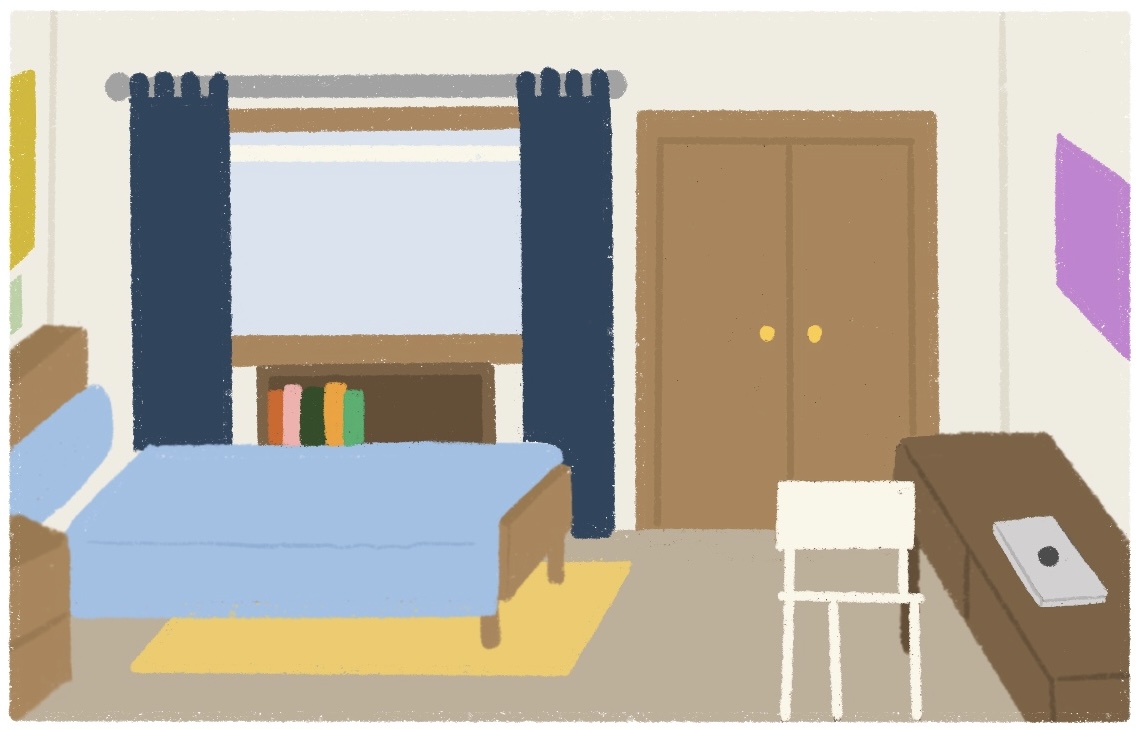 |
지난 주에 새 아파트로 이사했는데 시간이 너무 없어서 짐정리를 못했어요. 오늘 휴일이라서 집정리를 하고 청소를 했어요.
청소 전에는_____________________________________________________
_______________________________________________________________
청소 후에는_____________________________________________________
_______________________________________________________________
이제는 집이 정말 깨끗해져서 좋아요!
2. V–자마자 As Soon As; The Second That

1. V–자마자 as soon as
You can learn –자마자 as a new ending that means as soon as. The only trick is that you use it with the base form of the verb, even though the main clause can be in the past or future tense.
| 엘리베이터 문이 열리자마자 많은 사람들이 나왔다. | As soon as the elevator opened, many people got out. |
| 네 이메일을 받자마자 답장을 할 거야. | I will write back as soon as I get your email. |
| 겨울이 되자마자 꼭 히터가 고장 나. | No sooner than the winter sets in, the heater invariably breaks down. |
| 그 동네는 큰 길이 생기자마자 자동차 때문에 복잡해지기 시작했습니다. | As soon as the road was built, the town got packed with cars. |
2. Conjugation
As –자 마자 is a consonant-beginning suffix, the stem does not go through any changes. Try on your own:
| Dictionary Form | –자마자 | Dictionary Form | –자마자 |
| 열리다 | 닦다 | ||
| 듣다 | 만들다 | ||
| 출발하다 | 부르다 |
<Answer key> 열리자마자, 듣자마자, 출발하자마자, 닦자마자, 만들자마자, 부르자마자
연습 1. –자마자
신호등: traffic light
연습 2. –자마자
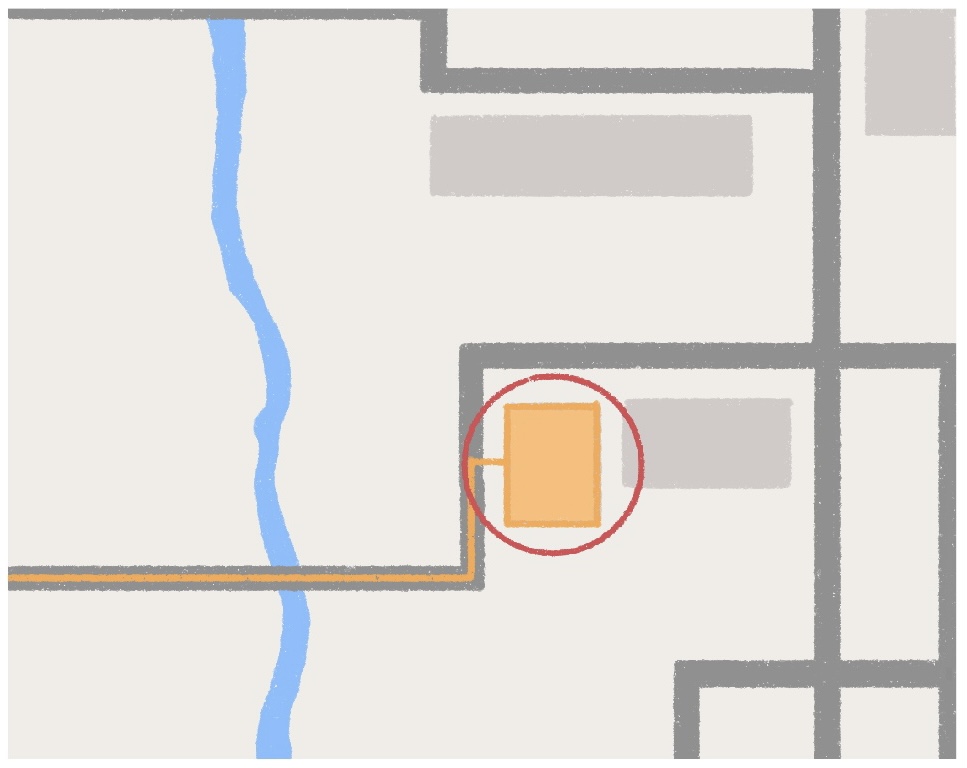
Give your friend directions to the Korean Culture Center, telling them what actions are to be taken immediately after another.
(맛보기) 사거리를 지나요 + 오른쪽으로 도세요. ⇒ 사거리를 지나자마자 오른쪽으로 도세요.
 |
 |
1. 다리를 건너요 + 왼쪽으로 도세요.
2. 왼쪽으로 돌아요 + 노란색 건물이 보일 거예요.
3. 건물 입구에 들어가요 + 바로 엘리베이터가 나와요.
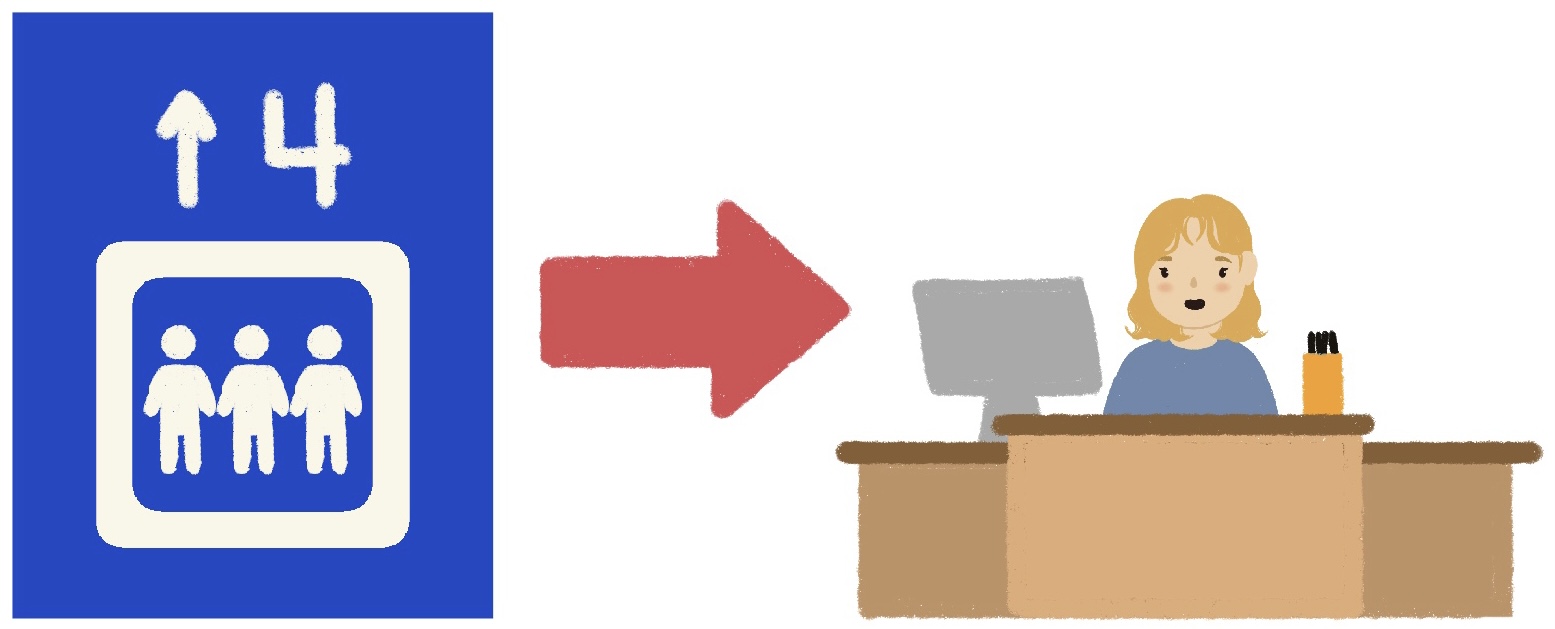
4. 엘리베이터를 타고 4층에 내려요 + 오피스 입구가 보일 거예요.
5. 오피스에 들어와요 + 안내 데스크를 찾으세요.
6. 안내 데스크가 보여요 + 바로 안내원에게 가서 도자기 수업에 대해 문의하세요.
7. 안내원에게 도자기 수업 안내를 받아요 + 등록하세요.
연습 3. –자마자
Ask your classmates what they usually do as soon as each situation arises. Find two people who do the same thing in each situation.
(맛보기) 평일 아침에 일어나다
(맛보기) 가: 평일 아침에 일어나자마자 뭐 해요?
(맛보기) 나: 평일 아침에 일어나자마자 뉴스를 봐요.
1. 아침에 일어나다
2. 매일 기숙사/아파트/집에 가다
3. 방학이 되다
연습 4. –자마자
Same practice with the past tense.
1. 아침에 지하철/버스를 타다
2. 컴퓨터를 켜다
3. 어제 한국어 수업이 끝나다
연습 5. –자마자
Same practice with the future tense.
(맛보기) 오늘 한국어 수업이 끝나다
(맛보기) 가: 오늘 한국어 수업이 끝나자마자 뭐 할 거예요?
(맛보기) 나:오늘 한국어 수업이 끝나자마자 도서관에 가서 한국어 숙제를 할 거예요
1. 방학이 되다
2. 졸업하다
3. 복권에 당첨되다
4. 한국으로 여행가서 공항에 도착하다
복권에 당첨되다: to win a lottery
연습 6. –자마자
나의 하루: Take turns with your partner making a chain of sentences with –자마자, talking about your daily schedule — or a plan for the best Saturday ever. See how many sentences you can chain together. If you get stuck, start a new chain!
(맛보기) 가: 나는 항상 일어나자마자 이를 닦습니다.
(맛보기) 나: 나는 항상 이를 닦자마자 아침을 먹습니다.
(맛보기) 가: 나는 항상 아침을 먹자마자 설거지를 합니다.
(맛보기) 나: 나는 항상 설거지를 하자마자 커피를 마시고 학교에 갑니다…
3. Since; Upon Doing One Finds That

1. A/V–어/아서 vs. A/V–(으)니까 as, since, because; so…
This is a very good time to review what has ailed you as a Korean student for some time –– the distinction between –(으)니까 and –어/아서. In the simplest world, –어서 means “as…, so…” and –(으)니까 means “I see it as…, so; the way I see it is that…so…” That is, –어/아서 expresses an obvious and reasonable result. On the other hand, –(으)니까 expresses a consequence subjectively justified or reasoned out by the speaker. Thus, in many cases, both connectors are possible with different interpretations:
| 너무 많이 먹어서 배 터지겠다. | I ate too much — my belly is about to burst. |
| 너무 많이 먹었으니까 배가 아프지! | Your belly is aching ‘cause you ate too much, (of course!) |
| 내가 가서 걔는 안 올 거야. | Since I am going he won’t come (as anyone can see). |
| 내가 가니까 걔는 안 올 거야. | He won’t come because I am going. (That’s what I think.) |
The subjectivity (personal reasoning or justification) dictates that –(으)니까be used in commands, suggestions, and guesses (not –어/아서):
| 비가 와서 우산을 가져갔어요. | I brought an umbrella as it was raining. |
| 비가 오니까 우산을 가져가세요. | Take the umbrella – since it’s raining. |
| 여기 비가 왔(으)니까 거기도 왔을 거예요. | Because it rained here, I presume it has rained there as well. |
2. V–(으)니까 when (not exactly temporal)
The essence of the subjective, ‘reasoning it all out’ sense of –(으)니까 is personal experience, leading to another sense: I have just arrived at a place (physically or metaphorically) and as a result I now realize/notice…, very much like -더니.
| 7번 출구로 가니까 출구가 막혀 있었다. | When I got to Exit 7, (I found that) the exit was blocked. |
| 7번 출구로 갔더니 출구가 막혀 있었다. | When I got to Exit 7, I found that the exit was blocked. |
| 오른쪽으로 도니까 영화관이 보였다. | When I turn right, the theater was there. |
| 얘기를 해 보니까 좋은 사람인 것 같았다. | I talked to him; he seemed like a nice person. |
| 아침에 일어나니까 문자가 와 있었다. | I woke up and found that a text message had come in. |
When –(으)니까 expresses the completion of an action preceding a realization or discovery, it is NOT marked with tense. (The two events are sort of counted as ONE connected event.) When it expresses reasoning for the following command or suggestion, appropriate tense marking is necessary.
| 7번 출구로 가니까 출구가 막혀 있었다. | When I got to Exit 7, I found that the exit was blocked. |
| 7번 출구가 막혔으니까 8번 출구로 나가세요. | Exit 7 is blocked, so please get out through Exit 8. |
3. Conjugation
As –(으)니까 is a (으) type conjugation, irregular verbs change their stems to fit into this construction. Try it on your own:
| Dictionary Form | –(으)니까 | Dictionary Form | –(으)니까 |
| 열리다 | 눕다 | ||
| 듣다 | 만들다 | ||
| 출발하다 | 부르다 |
<Answer key> 열리니까, 들리니까, 출발하니까, 누우니까, 만드니까, 부르니까
연습 1. –(으)니까
연습 2. –(으)니까
What did you find out? Work with a classmate and complete the sentences. Take turns.
(맛보기) [창 밖을 보다] 창 밖을 보니까 눈이 내리고 있었어요.
| 1. [학교에 도착하다] | ______________________________________________________ |
| 2. [냉장고를 열다] | ______________________________________________________ |
| 3. [자다가 일어나다] | ______________________________________________________ |
| 4. [매일 걷다] | ______________________________________________________ |
| 5. [봄이 되다] | ______________________________________________________ |
| 6. [텔레비전을 틀다] | ______________________________________________________ |
| 7. [Your own] | ______________________________________________________ |
연습 3. –(으)니까
내가 해 보니까: Describe your discovery, realizations, or observations that ensued from another action or experience. Write at least three sentences for each item. Use –(으)니까.
| (맛보기) | 기숙사에 살아보다 |
| 내가 기숙사에 살아보니까 혼자 사는 것보다 여러 사람이 같이 살 때는 생활예절을 지키는 게 정말 중요해요. 또 룸메이트와 방을 같이 써 보니까 불편한 점이 꽤 많았어요. 그렇지만 여러 친구들도 사귀고 재미있는 일도 많아요. |
1. 교통앱을 쓰다
2. 혼자 여행해 보다
3. 온라인으로 수업을 들어보다
4. 한국어를 배워보다
5. 휴대폰이 고장나서 못 쓰다
6. 뉴스를 보다
7. Your own
4. 종합 연습 Role Play
Create a role play with your partner using the key grammar expressions and new vocabulary from this lesson. Include 5 to 6 meaningful rounds of dialogue. Take turns and feel free to add details to make the conversation lively.
- Context: A person is on their way to visit their friend’s new place but lost their way. They are trying to find a way to get there and ask directions to a passer-by. Exchange questions and answers to give proper directions to the destination. Include landmarks or notable points along the way.
- Participants: A person and a passer-by
- Key Expressions: Passive verbs, –자마자, –(으)니까
- Sample dialogue:
 |
 |
 |
 |
Interpretive Task 1. 듣기
Hannah and Her Friend’s Voice Messages
Your friend, Hanna, is living in Busan, Korea. She is coming this weekend to visit you and left a message on your phone. Listen to the message and answer the questions in Korean.
What did you hear from the messages? Take notes on what you hear – in full sentences.
Hannah’s voice message:
|
Eugene’s voice message:
|
Helpful Vocabulary:
| 경복궁역 | Gyeongbokgung Palace Station | 서울역 | Seoul Station |
| 안국역 | Anguk Station | 종로 3가역 | Jongno 3-ga Station |
Interpretive Task 2. 읽고 말하기
Transportation App Review
You are searching for Korean apps to prepare for your upcoming travel in Korea. There are a lot of apps online, but you don’t know which to choose.
1. Read and talk about one of the app descriptions you found (below).
2. Then, with your friends, exchange some helpful information you gathered or experienced about 길찾기 안내 앱.

무료 길찾기 안내 앱 소개 리뷰: 4.8/ 5 점 ‘월드 타운’이라는 관광 안내 앱을 추천합니다. 저처럼 길을 찾 못 찾는 사람들을 위한 앱인 것 같습니다. 사용해 보니까 참 쉽고 편리해서 좋더라고요. AI 여행 도우미가 친절하게 안내도 해 줍니다. 가고 싶은 곳의 여행 정보와 길안내를 한 번에 쉽게 찾을 수 있고, 맛집, 관광지, 즐길 수 있는 활동, 날씨 정보도 제공합니다. 물론 무료 앱이고요. 주변에 추천도 해 주시고, 많이 이용해 보시기 바랍니다. |
Helpful Vocabulary:
| 도우미 | helper | 제공하다 | to provide | 점 | score point |
Presentational Task 3. 토론하고 발표하기
Weekend Adventure in Seoul:
Exploring the City’s Gems Using Public Transportation
You are in Seoul, Korea and planning to have a weekend excursion with your friend. Plan weekend activities and provide detailed directions using public transportation to get there.
1. Have a brainstorming meeting with your partner and decide 1–2 places to visit.
2. Give directions verbally to your classmate as a rehearsal to see if it is easy to follow your directions to those places.
3. Write directions and present them in a brochure format to the class.
Language Point: “Passives”
Some verbs like 당하다, 먹다 and 맞다 have an inherently passive meaning, where the subject undergoes (mostly) adverse actions.
Inherently passive:
| 민호가 아버지께 호된 꾸중을 들었어. | Minho got a good talking–to from his dad. |
| 나는 어디선가 날아온 돌에 다리를 맞았다. | I got hit in the leg by a rock thrown in from somewhere. |
| 과장은 부하 직원한테(서) 사기를 당했다. | The chief got swindled by a lower–ranked co–worker. |
| 주차 위반으로 경찰한테(서) 딱지를 먹었어. | I got a ticket from a cop for a parking violation. |
| 선화가 모두에게(서) 사랑을 받았다. | Sunhwa was loved by everyone. (She received love from everyone.) |
Now review your 하다 ⇒ 되다 passives:
| 교수님은 미팅때문에 강의를 취소하셨다. | The professor cancelled class due to a meeting. |
| ⇒ 강의가 오늘도 취소됐다. | The class was/got cancelled again today. |
| 저녁 준비를 다 했어? | Did you prepare dinner? |
| ⇒ 저녁 준비가 다 됐어? | Is dinner prepared/ready? |
And the –게 되다 passive:
| 망설이다가는 기회를 잃게 될지도 몰라. | If I hesitate, I might lose/end up losing the opportunity. |
| 이번 학기에 그 수업 못 듣게 되었어. | (As it turned out,) I can’t take that class this term. |
| 나, 한국에 가게 됐다! | I get to go to Korea! |
한국 문화 길잡이
Getting Around in Seoul: The Subway
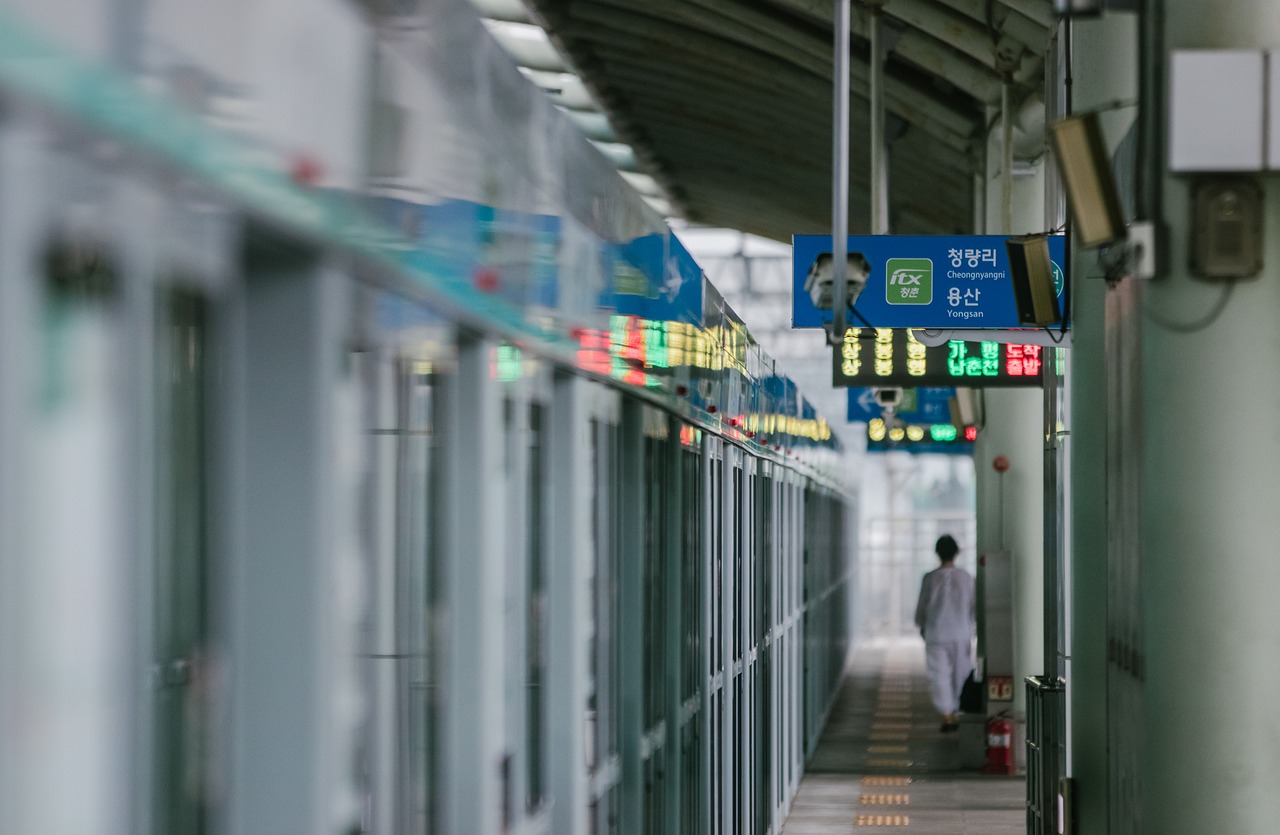
Image by Jang Hwan Cho from Pixabay
Once in Seoul, the subway and bus systems make it super-easy to get around. Subway stations can be a bit daunting at first – big, complex and busy, but the signage is well written and once you get used to your route, it’ll be pretty straightforward. The trains run at frequent intervals, even on weekends and holidays, and you barely lose any time when transferring from one line to another. The subway operates from 5:30am to approximately midnight.
The Seoul subway system has nine main lines and a number of inter-connected commuter train lines. Some of the cars on the older lines are starting to show their age, but most trains are clean and pleasant, and many of the older stations seem to have been renovated recently.
The lines are color-coded and each station is labeled with a three-digit code. The first digit refers to the line and the last two digits indicate the station number.
Click this link to view the complete Seoul subway map:
https://www.sisul.or.kr/open_content/skydome/introduce/pop_subway.jsp
할 수 있어요! I Got This!
Check to see if you can do the following:
- Understand the main ideas of simple directions
- Give directions to get to a place
- Share information about available transportation apps in Korea
| Listening Script
|
|
| [한나의 음성 메시지] | |
| 한나: | 유진이니? 나 한나야. 방금 기차 탔어. 서울역에 도착하자마자 전화할게. 근데, 우리 경복궁에서 만나기로 한 거 맞지? 지금 지도 보니까, 경복궁 가는 게 생각보다 복잡하네. 메시지 들으면 전화해 줘. 끊을게. |
| [따라따라따라~] | |
| 한나: | 안녕하세요? 한나입니다. 지금은 전화를 받을 수 없으니 메시지를 남겨 주세요. 삐– |
| 유진: | 어, 나 유진인데, 미안해. 네 전화 못 받았네. 핸드폰을 진동으로 해 놔서 소리가 안 들렸어. 오늘 주말이라서 길이 막히니까, 서울역에서 내려서 지하철을 타는 게 빨라. 먼저, 4호선을 타. 그리고 종로3가역에서 3호선으로 갈아타. 안국역 지나고 그 다음 역이 경복궁역이야. 거기서 내려서 오른쪽으로 조금 걸어가면 바로5번 출구가 나올 거야. 5번 출구 밖에서 기다리고 있을게. 서울역에 도착하자마자 꼭 전화해 줘. 알았지? |