Main Body
8 Lesson 19: 메뉴가 다양할 뿐만 아니라 분위기도 좋던데.
메뉴가 다양할 뿐만 아니라 분위기도 좋던데
학습 목표 Goals
By the end of this lesson, you will be able to:
- Share your experiences about restaurants, businesses, and services and make recommendations
- Describe your experiences in detail, including place, time, price, ambience, and other relevant information
들어가기 Setting Up
Lesson Focus
- INGREDIENTS – 단어 Vocabulary
- Review
- RECIPE – 문법과 표현 Grammar
- A/V–던데(요)
- A/V–(으)ㄹ 뿐만 아니라
- V–아/어야겠다
- LET’S COOK! – 해 봐요! Classroom Tasks
- Interpretive Task 1: Kimbap sandwich
- Interpretive & Interpersonal Task 2: Comments on a food vlog post
- Interpersonal & Presentational Task 3: Review
- KOREAN FLAVORS – 한국어와 한국 문화 Korean Language and Culture
- Verbs are everywhere! 2
- What do Koreans use to review restaurants or other services?
- I GOT THIS! – 할 수 있어요! Async. Practices and Tasks
- Integrated Performance Task Link
- WB Link
짝하고 얘기해 봐요! Share your thoughts!
Have you been to a new restaurant? Share your experiences at the restaurant with your classmates, like the people in this conversation.
 |
 |
 |
주제 단어: 후기 Review
 |
 |
 |
 |
 |
| 별점/평점 | 분위기 | 서비스 | 영업 시간 | 후기 |
| (star) rating | atmosphere | service | business hours | reviews |
 |
 |
 |
 |
 |
| 만족스럽다 | 부담스럽다 | 새롭다 | (돈, 시간) 아깝다 | 훌륭하다 |
| to be satisfying | to be burdensome | to be new | to seem like a waste (of time, money); what a pity! | to be outstanding |
새 단어와 표현 Other Vocabulary and Expressions
| 고추장 | spicy red pepper paste | 염색(하다) | to dye |
| 미용실, 미장원 | hair salon | 접다 | to fold |
| 샌드위치 | sandwich | 즐기다 | to enjoy |
| 영상, 동영상 | video | 간단하다 | to be simple |
| 재료 | ingredient | 다양하다 | to be diverse |
| 종류 | category/kind | 적당하다 | to be appropriate |
| 고민(하다) | to worriedly brood over | 얼른 | right away |
| 대기(하다) | to stand by, wait | 아무 NOUN | any NOUN |
| 연기(하다) | to act | NOUN처럼, NOUN같이 | like NOUN |
| 강추하다 | to recommend highly | 입맛이 까다롭다 | to be picky about food |
| 입맛에 맞다 | to suit one’s palate/taste | 줄을 서다 | to stand in a line |
단어 메모지 Vocabulary Notes
1. –롭다 and –스럽다
The suffixes –롭 and –스럽 added to Sino-Korean nouns make them adjectives. The qualities expressed by –롭adjectives are usually observed, and those expressed by –스럽 adjectives are experienced first-hand. (The –롭 suffix comes after vowel–ending nouns only).
| Vocabulary | Meaning | Adjective | Meaning |
| 새 | new | 새롭다 | new, fresh, original |
| 자유 | freedom | 자유롭다 | free |
| 흥미 | interest | 흥미롭다 | enticing, whetting the “taste” |
| 만족 | satisfaction | 만족스럽다 | satisfying (the experiencer feels satisfied) |
| 부담 | burden | 부담스럽다 | burdensome (the experiencer feels burdened) |
| 사랑 | love | 사랑스럽다 | lovable (the experiencer feels love toward something) |
2. 아무 NOUN
아무 is an adjective that means any.
| 아무 때나 놀러 오세요. | Come by (to play) any time. |
| 김밥 샌드위치에는 아무 재료나 다 넣어도 돼요. | You can put any ingredients in a kimbap sandwich. |
| 아무 펜이나 주세요. | Give me a pen (any pen). |
For anyone (in positive sentences) and no one (in negative sentences), 아무 comes with special particle –나 and –도, respectively.
| 생일에 내 친구 아무나 초대해도 돼? |
Can I invite any of my friends to the birthday?
|
| 식당에 손님이 아무도 없다. | There are no customers at the restaurant. |
| 대기하는 곳에 아무도 없다. | There is no one in the waiting area. |
For anything, -것도or -거나 is used with no space.
| 가: 뭐 해? | What are you doing? |
| 나: 아무것도 안 해. | Nothing. |
| 가: 오렌지 주스 마실래, 콜라 마실래? | Do you want (to drink) orange juice or coke? |
| 나: 아무거나. | Either one. (lit. anything) |
Some any sentences might be not straightforwardly translatable between the two languages:
| Is anyone home? | 집에 누구 계세요?/집에 아무도 안 계세요? |
| Do you like anybody? | 누구 좋아하는 사람 있어?/아무나 좋아하는 사람 없어? |
연습 1.
연습 2.
| 고민 | 대기 | 만족 | 부담 | 염색 | 영상 |
연습 3.
Walk around the classroom and find one person who fits the description. Get their signature.
| Description | Signature |
| 1. 입맛이 까다로운 편이다. | |
| 2. 대기 시간이 길면 다른 식당에 간다. | |
| 3. 미장원에 한 달에 한 번 간다. | |
| 4. 식당을 고를 때 분위기보다 맛이 중요하다. | |
| 5. 온라인에 후기를 자주 쓴다. | |
| 6. 냉장고에 음식 재료가 많이 있다. | |
| 7. 근처에 외식하기에 적당한 식당을 많이 알고 있다. | |
| 8. 새로운 취미를 해 보는 것을 좋아한다. |
1. A/V–던데 In My Experience

1. A/V–던데 in my opinion
The recollective suffix –더 always comes with other suffixes. (You learned –더니 and –더라구 previously.) It also appears with –ㄴ데, providing a backdrop or setting up an opposition for another situation:
| 수지: 학교 근처에 새로 생긴 식당에 갈까요? | Should we go to the new restaurant near school? |
| 민우: 좀 전에 보니까 사람들이 줄을 많이 서 있던데 다른 식당에 가요. | There was a long waiting line a bit ago; let’s go to another one. |
| 수지: 로제 떡볶이 시킬까요? | Should I order rosé tteokbokki? |
| 민우: 전에 먹어보니까 좀 느끼하던데요. 다른 메뉴를 먹어 보세요. | I’ve tried it, and it was kinda overly rich. Try something else on the menu. |
던데 can end a sentence, just like the connector –(으)ㄴ/는데:
| 시은: 이 집은 뭐가 맛있나? 만두를 먹어 볼까? | Sieun: (self–talk) What’s good at this restaurant? Shall I try the dumplings? |
| 은비: 전에 한 번 먹어 봤는데 만두는 맛 없더라구. 여기는 칼국수를 잘 하던데. | Eunbi: I tried them before, but I’ve got to tell you that they weren’t all that good, in my experience. They make thick flour noodle soup well here, if my memory serves me correctly. |
2. Conjugation
Conjugate these verbs and adjectives on your own:
| Dictionary Form | –던데 | Dictionary Form | –던데 |
| 어울리다 | 어울리던데 | 싱싱하다 | |
| 걷다 | 까다롭다 | ||
| 만들다 | 인기있다 |
<Answer key> 걷던데, 만들던데, 싱싱하던데, 까다롭던데, 인기있던데
연습 1. –던데
Make suggestions based on your first-hand experience. Use –던데 for the purpose.
| Your lived or witnessed experience | Suggestions | |
| (맛보기) |
남대문 시장은 볼거리도 많고 살 것도 많아요. | 이번 주말에 가 보세요. |
| ⇒ 남대문 시장은 볼거리도 많고 살 것도 많던데 이번 주말에 가 보세요. | ||
| Your lived or witnessed experience | Suggestions | |
| 1. | 그 퓨전 식당은 채식 요리가 괜찮다. | 다음에 가면 그걸 주문해 보세요. |
| ⇒ | ||
| 2. | 영수 씨가 지난 학기에 한국 역사 수업을 들어서 교과서가 있다. | 빌려 달라고 하세요. |
| ⇒ | ||
| 3. | 제니가 밤새 공부하다. | 아침에 깨우지 마세요. |
| ⇒ | ||
| 4. | 아파트 월세가 많이 비싸졌다. | 룸메이트를 알아 보세요. |
| ⇒ | ||
| 5. | 수영 씨 취미가 다양하다. | 주말에 같이 취미생활을 해 보세요. |
| ⇒ | ||
| 6. | 친구들이 학교 앞 한식당을 추천하다. | 다음에 같이 가요. |
| ⇒ | ||
| 7. | 태형 씨 성격이 입맛만큼 까다롭다. | 식당에 가면 태형이 주문하는 걸 먹으세요. |
| ⇒ | ||
연습 2. –던데
Make recommendations based on your observations and experience. Be creative with your answer.
| What I saw/ experienced earlier | Telling others afterwards | |
| (맛보기) | 그 캠핑장에서는 캠핑 장비를 빌려준다. | 그 캠핑장에서는 캠핑 장비를 빌려주던데 한번 가 보세요. |
| What I saw/ experienced earlier | Telling others afterwards | |
| 1. | 새로 생긴 퓨전 한식당에 갔다 왔는데 메뉴가 새롭고 다양했다. | |
| 2. | 학교에 올 때 비가 왔다. | |
| 3. | 일요일에는 영업 시간이 짧다. | |
| 4. | 서울 렌트비가 좀 비싸다. | |
| 5. | 속초가 서울에서 꽤 멀다. | |
| 6. | 서울은 배달 음식이 다양해서 요리 못해도 걱정할 필요가 없다. | |
| 7. | 사람들이 김치 만들기 동영상을 보고 김치를 만들다. |
연습 3. –던데
Your partner is seeking your advice. Explain why you support or do not support what your partner wants to do based on your experiences or observations. Take turns seeking and giving advice.
(맛보기) 가: 다음 주말에 캠핑 갈 때 현정이에게 운전을 하라고 할까?
(맛보기) 나:그런데 말이야… 현정이는 방향 감각이 별로 없던데.
(맛보기) 가: 그래? 현정이가 방향감각이 없는 줄 몰랐어. 그럼 내가 할게.
1. 밤에 청소기 돌려도 되지?
2. 돈이 없어서 친구한테 현금을 좀 빌려야겠어.
3. 서울에 가면 남산에 가려고 해.
4. 컴퓨터가 고장났는데 다음엔 노트북 컴퓨터를 살까 하는데…
5.이사 하려고 하는데 아파트에 사는 건 어떨까?
6. 집들이 선물을 사야 되는데 수건이나 비누는 어떨까?
7. 봄방학에 플로리다 여행은 어떨까?
8. 다음 학기에 한국 역사 수업을 들으려고 하는데 어떨까?
감각: sense of direction
연습 4. –던데
Share your ideas or opinions based on your personal experience. (Pretend you have relevant experience! Act like a been-there-done-that know-it-all!)
(맛보기) 다음 주에 노래방에 가는데
(맛보기)가: 다음 주에 노래방에 가는데 노래방에서 부를 노래 어떤 게 좋을까?
(맛보기)나: 비틀즈 노래를 불러 봤는데 부르기 괜찮던데요.
1. 걷기 편한 운동화를 사려고 하는데
2. 졸업하고 무슨 일을 할까 고민하는데
3. 서울에서 숙박할 호텔을 찾고 있는데
4. 제주도에 가서 한라산을 등산하고 싶은데
5. 머리를 밝은 색으로 염색하려고 하는데
6. 태권도 수업에 등록하려고 하는데
7. Your own
2. A/V–(으)ㄹ 뿐(만)(이) 아니라 Not Only That But Also
|
식당 후기
메뉴가 하나하나 다 맛있을 뿐만 아니라 서비스와 분위기도 훌륭했어요. 강추합니다! |

1. NOUN뿐 only that
–뿐 is a particle that means “merely that, the only thing that.”
| 이 식당에서 먹을 만한 음식은 김치뿐이다. | The only food that is worth eating is kimchi. |
| 나에게는 너뿐이야. (= 나에게는 너밖에 없어.) | You are the only one for me. (I have no one but you.) |
2. NOUN 뿐(만)(이) 아니라 as well as, not only that but also
The –뿐 아니라 connector means as well as. You can elevate the degree of emphasis with the particle –만 (–뿐만 아니라), and even more by adding another particle –이 (–뿐만이 아니라) not only that (but also).
You use –도 for the additional information in the next phrase, and to be playfully whimsical, –까지. This is an informal and casual expression so use it in speaking with friends or on social media but not in your formal reports.
| 신용 카드뿐 아니라 e-Pay도 받습니다. | We accept e–pay as well as credit cards. |
| 국수뿐 아니라 모든 밀가루 음식을 잘 먹어. | I enjoy not just noodles but all kinds of flour-based foods. |
3. A/V–(으)ㄹ뿐(만)(이) 아니라 as well as, not only that but also
Verbs and adjectives take on the –(으)ㄹ form with this connector:
| 이 식당은 음식이 맛있을 뿐만 아니라 분위기도 좋아요. | Not only is the food excellent but also the atmosphere is good in this restaurant. |
| 한국을 방문했을 뿐만이 아니라 거기에서 5 년간 영어를 가르치기까지 했어요. | Not only did I visit Korea, but I even taught English for 5 years there, too. |
4. Conjugation
Try on your own:
| Dictionary Form | –(으)ㄹ 뿐(만) 아니라 | Dictionary Form | –(으)ㄹ 뿐(만) 아니라 |
| 즐기다 | 즐길 뿐만 아니라 | 다양하다 | |
| 듣다 | 만족스럽다 | ||
| 만들다 | 길다 |
<Answer key> 들을 뿐만 아니라, 만들 뿐만 아니라, 다양할 뿐만 아니라, 만족스러울 뿐만 아니라, 길 뿐만 아니라
연습 1. –(으)ㄹ 뿐만 아니라
촬영하다: to film (a movie)
연습 2. –(으)ㄹ 뿐만 아니라
연습 3. –(으)ㄹ 뿐만 아니라
Work with a classmate and list two things you know about the following topics, using –(으)ㄹ 뿐 아니라. Use an online dictionary for new vocabulary if needed.
(맛보기) 한국의 여름 날씨
(맛보기)⇒ 한국의 여름 날씨는 더울 뿐 아니라 습도 도 높다.
1. 좋아하는 가수나 배우
2. 우리 학교
3. 퓨전 요리
4. 우리 동네/내 고향
5. 자동차 여행/캠핑 여행
6. Z 세대
7. Your own
습도: humidity
연습 4. –(으)ㄹ 뿐만 아니라
Give detailed information or your strong opinion about the following topics (3 to 5 sentences each). Use –(으)ㄹ 뿐(만) 아니라 in your sentences.
(맛보기) 새로 생긴 식당 ‘돈가스 하우스’를 추천하는 이유
‘돈가스 하우스’는 식당 위치가 좋을 뿐만 아니라 교통도 편리하고 주차장도 넓어요. 사람들이 대기하는 동안 음식 샘플을 먹어 볼 수 있을 뿐만 아니라 음식을 미리 주문할 수도 있어요. 새롭고 다양한 종류의 돈가스를 맛볼 수 있을 뿐만 아니라 돈가스 요리책도 살 수 있고 요리 동영상도 볼 수 있어요. 음식이 맛있을 뿐만 아니라 분위기도 좋아요. 다른 곳보다 조금 비싸긴 하지만 돈이 아깝지 않습니다! 친구들과 주말에 맛있는 음식을 즐기면서 좋은 시간을 보낼 수 있어서 강추합니다.
1. 추천하고 싶은 캠핑/여행할 곳과 추천하는 이유
2. 추천하고 싶은 영화나 드라마와 추천하는 이유
3. 추천하고 싶은 음식점과 추천하는 이유
4. 추천하고 싶은 온라인 서비스와 추천하는 이유
5. Your own
3. V–아/어야겠다 I’d Better, You’d Better

1. V–아/어야 only when; if and only if
The –아/어야 connector is one of requirement and precondition. It means only if/when (this condition is met…). You have been using –아/어야 in a fixed helping verb expression –아/어야 되다 have to (= Only when one does this, would it be appropriate).
| 가을이 가야 겨울이 온다. | Winter comes only when autumn goes. |
| 감기는 푹 쉬어야 낫는다. | A cold gets better only if one takes a good rest. |
In spoken English, it is also possible to translate these sentences using until or unless, only if, or you gotta… in order to. (You might see how this relates to “해야 돼요”):
| 고추장을 넣어야 맛이 나지요. | It won’t taste good unless you put gochujang in it. |
| 돈이 생겨야 살 수 있지요. | We won’t be able to buy until we find the money. |
| 먹어 봐야 맛을 알 수 있다. | Only when we taste it, will we know. |
2. V–아/어야겠다 I/you’d better, I/you probably should
The requirement suffix –아/어야 coupled with the conjecture suffix –겠 yields it will only be good if…, idiomatically translated as one had better, or one probably should. You can use the longer form –아/어야 되겠 or –아/어야 하겠 as well:
| 가: 오늘 나랑 차 한잔 할래? | 가: Do you want to have some tea with me today? |
| 나:아니, 오늘은 좀 쉬어야겠어. (= 아니, 오늘은 좀 쉬어야 되겠어.) |
나: No, I’d better get some rest today. |
| 너, 너무 말랐어… 더 먹어야겠다. (= 너, 너무 말랐어… 더 먹어야 하겠다.) |
You are too skinny… You probably should eat more. |
3. Conjugation
This ending is used with verbs only. Try conjugating the following verbs on your own:
| Dictionary Form | –아/어야겠다 | Dictionary Form | –아/어야겠다 |
| 걷다 | 걸어야겠다 | 만들다 | |
| 접다 | 즐기다 | ||
| 들르다 | 염색하다 |
<Answer key> 접어야겠다, 들러야겠다, 만들어야겠다, 즐겨야겠다, 염색해야겠다
연습 1. –아/어야겠다
| 예약하다 | 자르다 | 마시다 | 찾아보다 | 쉬다 | 알려주다 | 듣다 |
생강차: ginger tea
연습 2. –아/어야겠다
Work with a classmate and talk about what you had better do for each situation. List three, using –어야겠다.
(맛보기) 배가 너무 고파요. ⇒ 밥을 먹어야겠어요.
(맛보기) 배가 너무 고파요. ⇒ 요리를 해야겠어요.
(맛보기) 배가 너무 고파요. ⇒ 음식 배달을 시켜야겠어요.
1. 집에 먹을 게 아무 것도 없어요. ⇒ ___________________________________
1. 집에 먹을 게 아무 것도 없어요. ⇒ ___________________________________
1. 집에 먹을 게 아무 것도 없어요. ⇒ ___________________________________
2. 스트레스가 많아서 고민이에요. ⇒ ___________________________________
2. 스트레스가 많아서 고민이에요. ⇒ ___________________________________
2. 스트레스가 많아서 고민이에요. ⇒ ___________________________________
3. 휴가에 캠핑을 가고 싶어요. ⇒ ___________________________________
3. 휴가에 캠핑을 가고 싶어요. ⇒. ___________________________________
3. 휴가에 캠핑을 가고 싶어요. ⇒ ___________________________________
4. 인플루언서가 되고 싶어요. ⇒ ___________________________________
4. 인플루언서가 되고 싶어요. ⇒ ___________________________________
4. 인플루언서가 되고 싶어요. ⇒ ___________________________________
5. 다음 달에 이사를 가요. ⇒ ___________________________________
5. 다음 달에 이사를 가요. ⇒ ___________________________________
5. 다음 달에 이사를 가요. ⇒ ___________________________________
6. 여름에 해외여행을 가요. ⇒ ___________________________________
6. 여름에 해외여행을 가요. ⇒ ___________________________________
6. 여름에 해외여행을 가요. ⇒ ___________________________________
7. 인턴 면접 시험이 있어요. ⇒ ___________________________________
7. 인턴 면접 시험이 있어요. ⇒ ___________________________________
7. 인턴 면접 시험이 있어요. ⇒ ___________________________________
연습 3. –아/어야겠다
Talk to your classmates about what things you should probably do before each situation happens. Use –아/어 놓다 along with –아/어야겠다.
(맛보기) 내년이 되기 전에…
(맛보기) ⇒ 내년이 되기 전에 취직 준비를 열심히 해 놓아야겠어요.
1. 대학을 졸업하기 전에…
2. 서른 살이 되기 전에…
3. 은퇴하기 전에…
4. 너무 나이가 많이 들기 전에…
5. Your own
은퇴하다: to retire
4. 종합 연습 Role Play
Create a role play with your partner using the key grammar expressions and new vocabulary from this lesson. Include 5 to 6 meaningful rounds of dialogue. Take turns and feel free to add details to make the conversation lively.
- Context: A person is seeking recommendations from their foodie friend about a new restaurant to visit. Ask for information and experiences regarding the restaurant, as well as their recommendations for what to eat, the best time to go, and any other relevant details.
- Participants: A person and their foodie friend
- Key Expressions: –던데(요), –(으)ㄹ 뿐만 아니라, –아/어야겠다
- Sample dialogue:
 |
 |
 |
 |
Interpretive Task 1. 듣기
1. Complete the following charts.
| Things that Michael asked Yumi | Yumi’s answers |
2. What did Michael decide and why?
3. Now, talk with your classmates about what you learned from the dialogue. Then, listen to the dialogue again.
Interpretive Task 2. 읽기
Comments on a Food Vlog Post
These are some comments on the김밥 샌드위치you just saw on a food vlog channel.
Read the following and add yours:
| 1. | 와~ 대박! 만들기도 간단할 뿐만 아니라 맛도 좋아보이네요. 이렇게 하면 아무 재료나 넣을 수도 있고, 저처럼 김밥 만들어 본 적이 없는 사람도 한번 해 볼 수 있겠네요 |
| 2. | 요즘처럼 외식 값이 부담스러울 때에, 이 영상이 올라와서 정말 반가웠습니다. 입맛이 까다로운 우리 아이들이 직접 먹고 싶은 재료를 넣고 접어 먹게 했더니 참 좋아했어요. ♡♡♡ |
| 3. | 다른 퓨전 한식보다 김치 좋아하는 내 입맛에도 더 잘 맞을 것 같아요. 보기에도 예쁘고요. |
| 4. | 오늘 당장 해봐야겠어요. 감사합니다 ^^💕 |
| 5. | 요새 로제 떡볶이도 인기있던데, 집에서 쉽게 만들 수 있는 레시피 좀 알려 주실래요? |
| 6. | 편의점에서도 팔면 좋겠어요! |
| 7. | 꼭 해봐야겠어요. 재료 보니까 내가 좋아하는 반찬들만 넣고도 만들 수 있겠는데요. |
| 8. | 만들어 보니까 진짜 쉽고 맛있었어요. 강추합니다! |
| 9. | ….. |
1. Ask the vlog host 1–2 questions.
2. Add your 댓글 (reply) to 2–3 reviews entered.
3. Share your own 김밥 샌드위치 recipe.
|
|
Interpersonal and Presentational Task 3. 토론하고 발표하기
Review
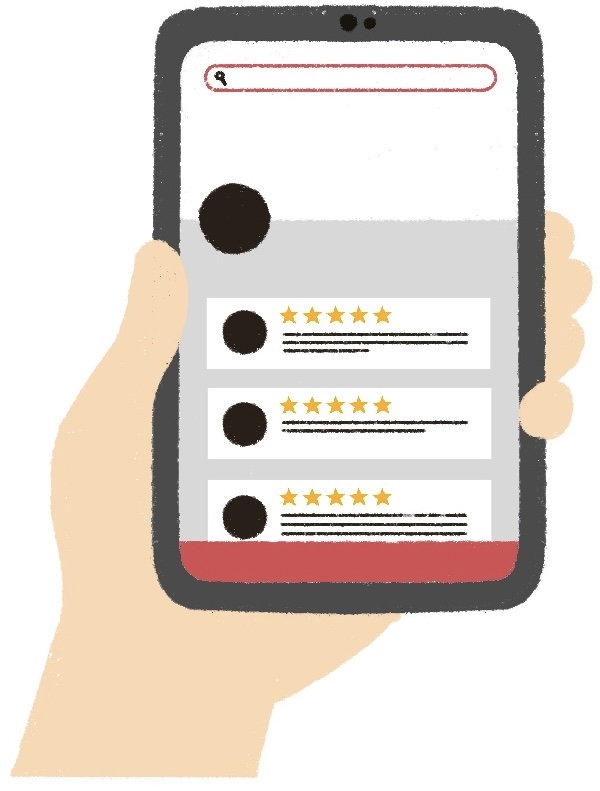
1. Talk with your group about your recent experiences in shopping, places (trips, visits, restaurants, etc.), fusion food, music (songs), movies/webtoons, TV programs, mobile phone apps, etc.
- _________________
- 어땠어요? (______/5점)
- 추천해요?/ 추천 안 해요? 왜요? (이유 3–5개)
2. Write your review including detailed information for other people.
| _____________ 후기
|
Language Point: Verbs are Everywhere! 2
We will continue the review of useful verb + verb structures. Study these verb series carefully, and your life in Korean will see much improvement!
1. Verb–어가다/오다/서다/앉다
In this verb + verb structure, there is no space between the two verbs, and the first verb is conjugated in its –아/어 form. The direction (up, down, in, out, around) is expressed in the first verb, and the movement (go, come, stand, sit) in the second verb:
| 오르다 (to “up”) | |
| 올라가다 (go up) | 올라오다 (come up) |
| 올라서다 (stand up on top of something) | 올라앉다 (sit up on something) |
| 내리다 (to “down”) | |
| 내려가다 (go down) | 내려오다 (come down) |
| 내려서다 (get down off of something to stand) | 내려앉다 (get down off of something to sit) |
| 들다 (to “in”) | |
| 들어가다 (go in) | 들어오다 (come in) |
| 들어서다 (go/come stand inside) | 들어앉다 (go/come sit inside) |
| 나다 (to “out”) | |
| 나가다 (go out) | 나오다 (come out) |
| 나서다 (go/come stand outside) 나앉다 | 나앉다 (go/come sit outside) |
| 돌다 (to turn) | |
| 돌아가다 (go back) | 돌아오다 (come back, return) |
| 돌아서다 (stand with one’s back turned) | 돌아앉다 (sit with one’s back turned) |
| 돌아눕다 (lie down with one’s back turned) |
Remember! These are basic meanings. These phrases can often be used with an extended meaning, both metaphorically and abstractly.
| 그 집 지붕은 매우 낡아서 밤새 온 눈에 내려앉았다. | The roof of that house was very old; it caved in because of the snow that came down all night. |
| 그 사람 기다리지 마. 마음이 이미 돌아섰어. | Don’t wait for that person. He already turned coat. (His heart already turned.) |
| 걔 왜 그렇게 항상 모든 일에 나서? | How come he/she is always so know-it-all and officious? |
Verb–고 + 있다
Verb–고 있다 is about an action in progress:
| 가다 | go (vi.) | 가고 있다 | is going |
| 오다 | come (vi.) | 오고 있다 | is coming |
| 살다 | live (vi.) | 살고 있다 | is living, lives |
| 죽다 | die (vi.) | 죽고 있다 | is dying |
| 앉다 | sit (vi.) | 앉고 있다 | is in the process of sitting down |
| 서다 | stand (vi.) | 서고 있다 | is in the process of standing up |
| 눕다 | lie down (vi.) | 눕고 있다 | is in the process of lying down |
| 비다 | “is empty” (vi.) | 비고 있다 | is emptying out (vi.) |
| 차다 | “is full” (vi.) | 차고 있다 | is filling in, up (vi.) |
| 먹다 | eat (vt.) | 먹고 있다 | is eating (something) |
| 마시다 | drink (vt.) | 마시고 있다 | is drinking (something) |
| 자다 | sleep (vt.) | 자고 있다 | is sleeping (something) |
| 가지다 | possess (vt.) | 가지고 있다 | is in possession of (something) |
| 시작하다 | start (vt.) | 시작하고 있다 | (someone) is starting up (something) |
| 시작되다 | start (vi.) | 시작되고 있다 | (something) is being started |
| 준비하다 | prepare (vt.) | 준비하고 있다 | (someone) is preparing (something) |
| 준비되다 | prepare (vi.) | 준비되고 있다 | (something) is being prepared |
| 끝내다 | finish (vt.) | 끝내고 있다 | (someone) is finishing (something) |
| 끝나다 | end (vi.) | 끝나고 있다 | (something) is ending |
| 놀다 | play (vi.) | 놀고 있다 | is playing |
| 올라가다 | climb up (vi., vt.) | 올라가고 있다 | is climbing up |
한국 문화 길잡이

Image by Adrian from Pixabay
What do Koreans Use to Review Restaurants or Other Services?
Where do you find reviews of restaurants and cleaning services before visiting?
Nowadays, it is common practice to use review websites like Yelp, TripAdvisor, and Google to find information that helps decide where to go. These websites allow users to read reviews and ratings from other customers, which can help you make an informed decision. Here are some popular restaurant and service review sites that are useful when visiting Korea:
네이버 MY플레이스: https://place.naver.com/my/feed
캐치테이블: https://app.catchtable.co.kr/
망고 플레이트: https://www.mangoplate.com/
숨고 서비스: https://soomgo.com
할 수 있어요! I Got This!
Check to see if you can do the following:
- Share your experiences about restaurants, businesses, and services and make recommendations
- Describe your experiences in detail, including place, time, price, ambience, and other relevant information
| Listening Script
|
|
| 마이클: | 이번 주말에 친구가 시애틀에서 오는데 식당 하나 추천해 줄래? |
| 유미: | 학교 앞에 퓨전 한국 식당이 생겨서 가봤는데 진짜 좋던데? |
| 마이클: | 어, 별스타 찾아보니까 평점이 진짜 좋네. 어떤 음식이 있는데? |
| 유미: | 한국과 이탈리아, 멕시코 퓨전 식당인데 메뉴도 다양하고 다 맛있대. 로제 떡볶이, 된장 파스타, 고추장 파히타, 그리고 김밥 샌드위치가 인기래. |
| 마이클: | 김밥 샌드위치? 그게 뭐야? |
| 유미: | 김밥을 샌드위치처럼 만드는데 안에 다양한 재료가 들어가서 맛있대. |
| 마이클: | 그래? 다음 주말에 우리 동호회 파티가 있는데, 모두 요리 하나씩 해서 가져가야 되거든. 그거 해가야겠다. |
| 유미: | 요즘 퓨전 한식이 많이 유행이니까 다들 즐길 수 있을 거 같아! 나도 만들어 보니까 김밥보다 간단할 뿐만 아니라, 샌드위치처럼 쉽고 빠르게 만들 수 있더라고. 그냥 재료 넣고 접기만 하면 돼. |
| 마이클: | 오, 그래? 그거 좋네. 접기만 하면 되는 거지? |
| 유미: | 어, 재료 준비도 미리 안 해도 되고 좋아하는 재료를 다 넣을 수 있어. |
| 마이클: | 지금 레시피 찾아봐야겠다. 김.밥. 샌.드.위.치. 와~ 진짜 쉬워 보이네. 나도 만들 수 있겠어. |
| 유미: | 그렇지? |
| 마이클: | 좋아. 그럼, ‘베이컨 아보카도’ 김밥 샌드위치 만들어봐야겠다. 오늘 저녁에 만들어 볼 건데 같이 만들래? |
| 유미: | 좋아. 근데, 난 고추장도 좀 넣어야겠어. |
| 마이클: | 오, 그거 좋겠다. 알았어, 고추장도 준비할게. |