Main Body
2 Lesson 13: 매일 연습했더니 실력이 많이 늘었어요.
매일 연습했더니 실력이 많이 늘었어요.
학습 목표 Goals
By the end of this lesson you will be able to:
-
Share what you notice or what resulted from your actions.
-
Give advice based on your experiences or observations.
- Report your concerns and ask for solutions.
들어가기 Setting Up
Lesson Focus
- INGREDIENTS – 단어 Vocabulary
-
Classes at a learning institute
-
- RECIPE – 문법과 표현 Grammar
- A/V–더니
- V–았/었더니
-
(A)/V–다가
- LET’S COOK – 해 봐요! Classroom Tasks
- Interpretive Task 1: Radio Music Show
- Interpretive & Interpersonal Task 2: Forever Learning Center
-
Presentational Task 3: Neo Tube Influencer
- KOREAN FLAVORS – 한국어와 한국 문화 Korean Language and Culture
- Use of markers after nouns: Subject particle –이/가
-
Korean traditional holidays
- NOW YOU TRY! – 스스로 해봐요! Async. Practices and Tasks
- Integrated Performance Task Link
- WB Link
짝하고 얘기해 봐요! Share your thoughts!
How would you share your observations or experiences? Now let’s read these dialogues. What are they talking about?
 |
 |
 |
학원 수업 Classes at a Learning Institute
 |
 |
 |
 |
 |
|
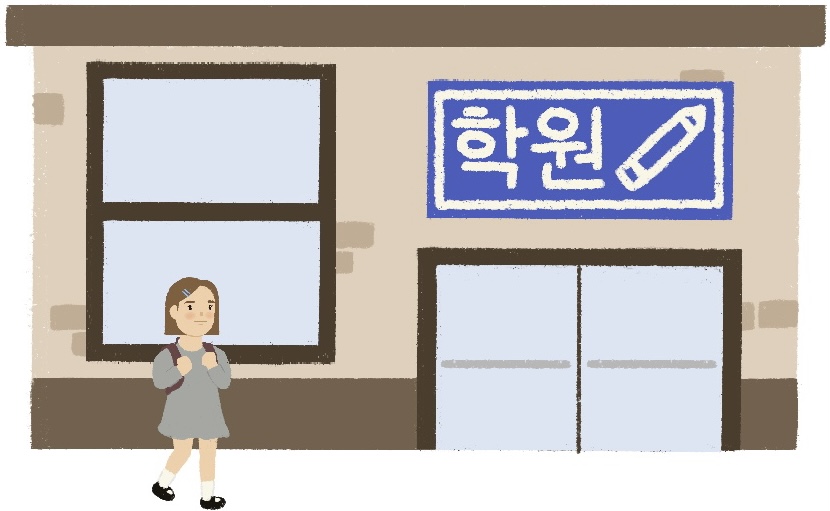
학원
|
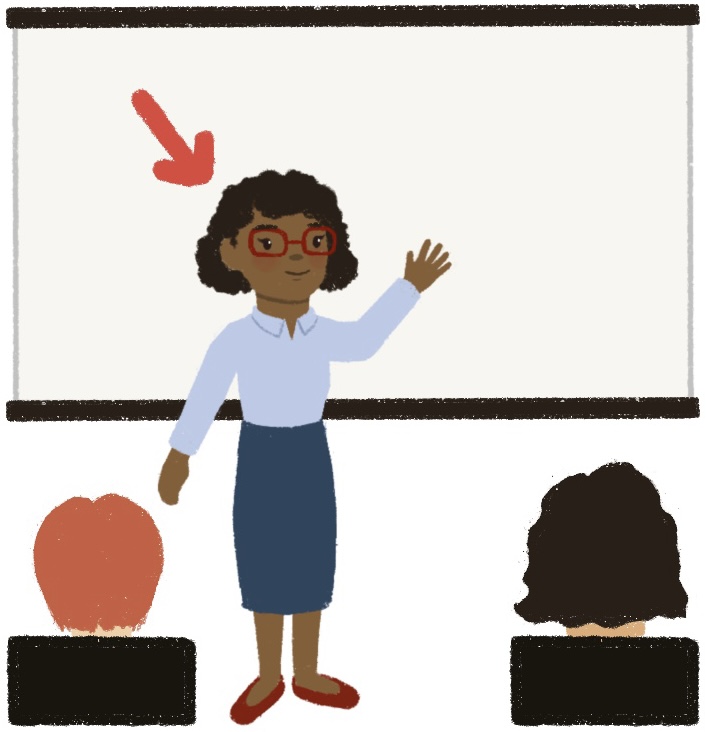
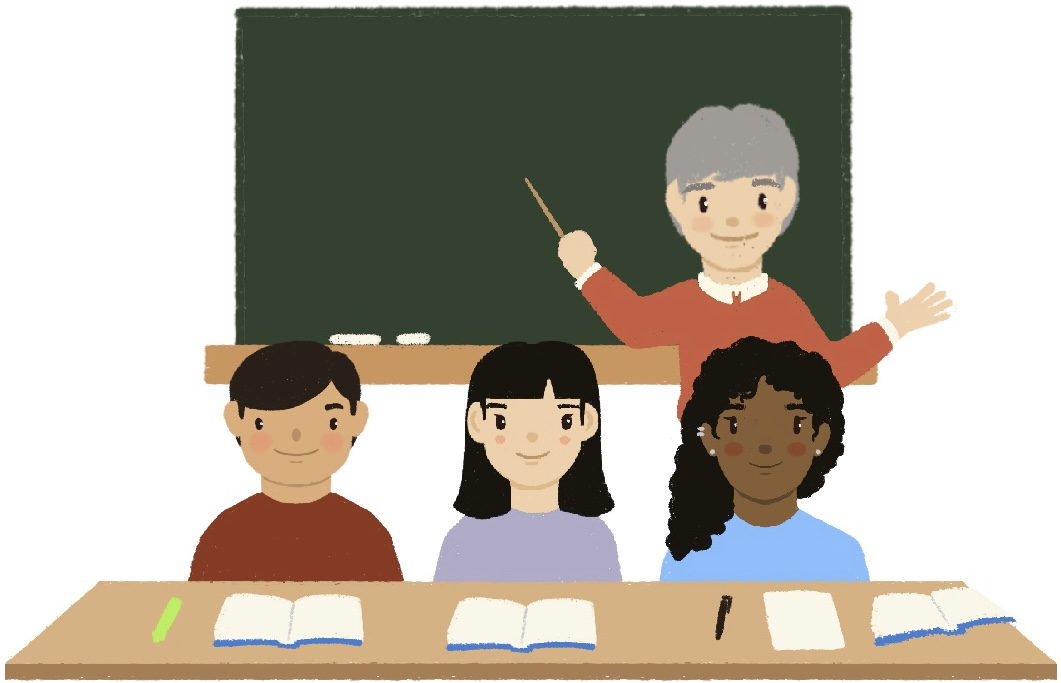
강사
|
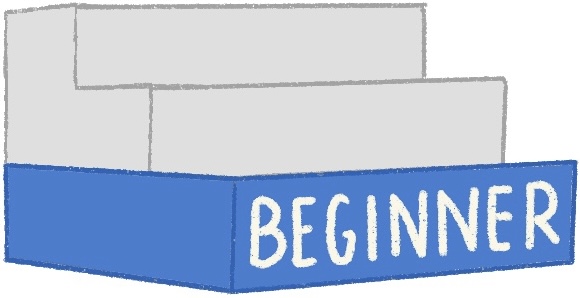
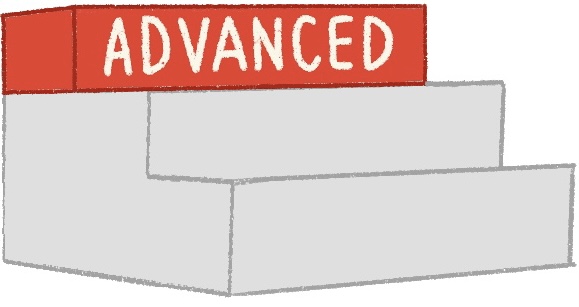
초급
|
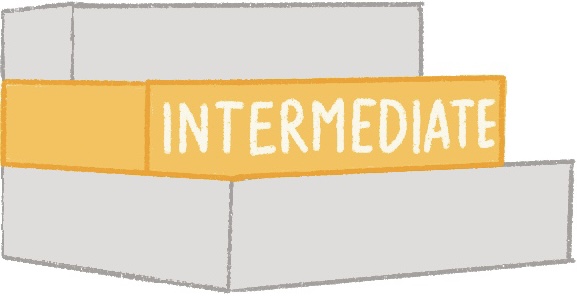
중급 |
고급
|
| learning institute | instructor | beginner | intermediate | advanced |
 |
 |
 |
 |
 |
| 반 |
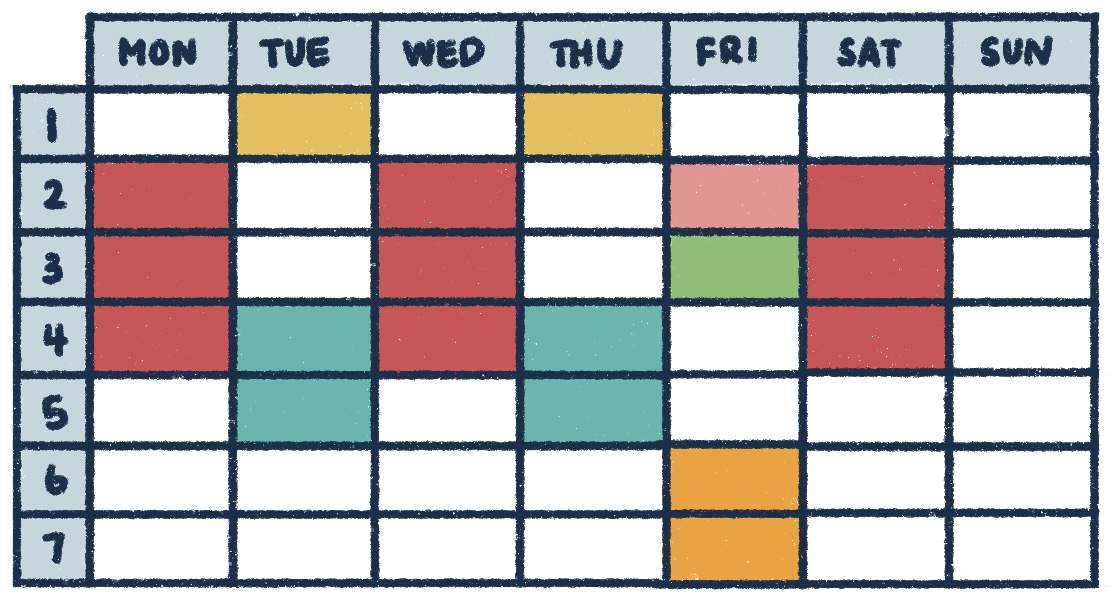
시간표
|
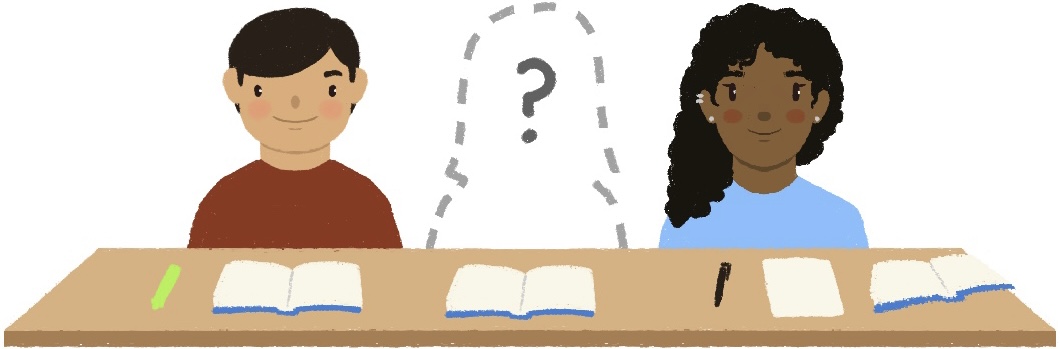
결석(하다) | 등록(하다) | 차다 |
| class | timetable, schedule | to miss a class | to register (for class) | to become full |
새 단어와 표현 Other Vocabulary and Expressions
| 곡 | musical piece, song | 따라가다 | to follow |
| 도자기, 도예 | pottery | 마감(하다/되다) | to be closed |
| 수강료 | course fee | 바꾸다 | to change, to switch |
| 자리 |
seat, space
|
빠지다 | to fall into/out of; to skip or miss |
| 자세 | posture | 졸다 | to doze off |
|
자신
|
confidence | 헤어지다 | to break up, to be separated |
| 기다려지다 | to look forward to | 확인(하다) | to check, to confirm |
| 그만두다 | to quit | 꽤 | quite, rather |
| 넘어지다 | to fall over | 이렇게, 그렇게 | like this, like that |
| 밤을 새우다 | to stay up all night | 자리가 다 차다 | to be full (class)/all seats are taken |
| 수업에 빠지다 | to miss a class | 자신이 있다/생기다 | to be confident, to gain confidence |
단어 메모지 Vocabulary Notes
1. 자리 Seat/Place
자리 means a seat, available space, or one’s place in line.
| 가: 여기 자리 있어요? | Is this seat available? |
| 나: 네, 자리 있어요. | Yes, it is available (it has not been taken). |
| 가: 한국어 중급반 수업에 자리 있어요? | Has the intermediate Korean class filled up? (Is there space available in the intermediate class?) |
| 나: 죄송합니다. 수업이 다 찼습니다. | Sorry. The class is full. |
| 가: 제 자리 좀 봐 주시겠어요? | Could you please hold my place? |
| 나: 네. 줄이 빨리 움직이네요. 곧 오세요. | Yes. The line is moving fast. Hurry back. |
2. 초, 중, 고 Beginner, Intermediate, High
For levels of advancement, 초 (beginning), 중 (middle), and 고 (high) are used:
| 초등학교, 중학교와 고등학교 | elementary school, middle school and high school |
| 초급, 중급과 고급 | beginning level, intermediate level, and advanced level |
3. 빠지다 To fall into/Be missing from
빠지다 is an interesting word. Its overarching meaning comes from the sense of something missing (빠-), and its English translation can be fall out, fall into or be missing from… :
| 가: 어제 왜 수업에 빠졌어? | Why did you skip/miss class yesterday? |
| 나: 사랑니가 빠져서 잇몸이 붓고 너무 아파서. | My wisdom teeth fell out, and my gums were swollen and hurting. |
| 로미오는 줄리엣과 첫눈에 사랑에 빠졌습니다. | Romeo fell in love with Juliet at first sight. |
단어 연습 Vocabulary Exercises
연습 1. New Vocabulary and Expressions
연습 2. New Vocabulary and Expressions
| 결석 | 등록 | 마감 | 시간표 | 초급 | 학원 |
연습 3. New Vocabulary and Expressions
|
강사
|
고급
|
등록
|
수강료 | 자리 | 초급 |
연습 4. New Vocabulary and Expressions
Many Koreans take classes in a culture center (문화 센터) or 학원 to develop various skills and hobbies. Visit the following website of culture centers and choose classes that interest you. Share the class name and location and its registration information with your classmates.
중앙일보 문화 센터: https://learn.koreadaily.com/
파고다 학원: https://www.pagoda21.com/pagoda21/home/index.do
| 학원/문화 센터 | 강의와 강사 | 초급/중급/고급 | 수강료 |
1. A/V–더니 I Recall X… (But Now Y)

1. The suffix –더; The retrospective marker
The suffix –더 is a “retrospective” or “experiential” marker; it can only be used when the speaker is saying something they recall having previously witnessed firsthand. That is to say, the speaker has to have witnessed (observed or heard) in person what they are talking about.
2. Verb–더니 Recounting my observations of others’ behaviors and what ensues
Suffix –더 indicates the speaker’s first-hand knowledge; suffix –(으)니 indicates discovery of a consequential event (upon doing XX, I find YY). In combination, –더니 speaks of the change I observed that followed on some other action (done by someone else). Since it is reporting an observation, –더니 is always about somebody else:
| 한국어 수업을 2년 듣더니 한국어를 아주 잘 하게 됐네요! | You’ve been taking Korean for two years; your Korean is really good now! |
| 그 학생은 수업에 많이 빠지더니 수업에 이제 안 나와요. | The student missed a lot of classes, and they’re not coming to class any more. |
More colloquially –더니만 is often used:
| 필라테스 수업을 듣더니만, 아주 건강해졌네! | You’ve gotten really healthy since you have been taking Pilates. (I noticed you’ve gotten really healthy since you have been taking Pilates: “Since” in English refers to REASON and not TIME FRAME in this case.) |
Note: The fact being recalled is still fresh in the speaker’s mind and connected to the present case, so you can NOT use the completive -ㅆ (as in -ㅆ더니) in any of these sentences. Also very important: since the speaker is talking about what they witnessed, it can NOT ever be about what they themselves did:
| I’ve been taking Korean for two years; my Korean is really good now! |
3. Verb/Adjective–더니Change to an opposite
–더니 can express some kind of opposition or change like –(어)ㅆ는데 might. –더니 underscores the sense of personal experience by the speaker with less contention (“but”) than ㅆ는데.
| 초급반은 쉽더니 중급반은 어렵네요. |
The beginner’s class was easy; the intermediate – difficult.
|
| (초급반은 쉬웠는데 중급반은 어렵네요.) | The beginner’s class was easy, but the intermediate is difficult. |
| 아까는 시끄럽더니 지금은 조용하네요. | It was noisy a while ago; it’s quiet now, eh? |
Note: You still can NOT use the -ㅆhere with –더니.
4. Conjugation
–더니 begins with a consonant, so the stem does not change its form. Try on your own!
| –더니 | –더니 | ||
|
먹다
|
걷다 | ||
| 옮기다 | 웃다 | ||
| 부르다 | 굽다 | ||
| 만들다 | 연습하다 | ||
| 쉽다 | 넓다 |
<Answer key> 먹더니, 옮기더니, 부르더니, 만들더니, 쉽더니, 걷더니, 웃더니, 굽더니, 연습하더니, 넓더니
연습 1. –더니
인간: human
연습 2. –더니
연습 3. –더니
전자: electronics
2. V–었/었더니 When I Did… (I Found This Thing Happened)

1. Verb–았/었더니 Recounting something that I observed happening upon me doing something
중급반 수업에 등록하려고 했더니 자리가 벌써 다 찼어요.
I was going to register for the intermediate class, and I found out that I the class is already full.
동호회 모임에 갔더니 새 회원들이 많이 와 있었습니다.
I went to a club meeting and found there were many new members.
–(으)니까 is similar in this sense, and can replace -었더니. –었/았더니 is usually used with the 1st person subject, and the following clause has a different subject. However, when the second clause is talking about the result/consequence related to the subject in the first clause, the same subject can be used.
초급반 수업을 한 달 들었더니 수영 실력이 많이 늘었어요.
I took a beginner’s class for a month, and my swimming skill has improved a lot.
초급반 수업을 한 달 들으니까 수영 실력이 많이 늘었어요.
2. Conjugation
Conjugate these verbs and adjectives into their past tense form, and add -더니after them. Try on your own!
| Dictionary Form | –았/었더니 | Dictionary Form | –았/었더니 |
| 먹다 | 걷다 | ||
| 옮기다 | 웃다 | ||
| 부르다 | 굽다 | ||
| 만들다 | 연습하다 |
<Answer key> 먹었더니, 옮겼더니, 불렀더니, 만들었더니, 걸었더니, 웃었더니, 구웠더니, 연습했더니
연습 1. –았/었더니
연습 2. –았/었더니
What did you do and later realize its outcome or consequences? Connect the phrases with –았/었더니 and say them out loud.
(맛보기) 아침에 일찍 일어났더니 시간이 많아졌다.

1. __________________________________________________________.
2. __________________________________________________________.
3. __________________________________________________________.
4. __________________________________________________________.
5. __________________________________________________________.
6. __________________________________________________________.
7. __________________________________________________________.
피클볼: pickleball
연습 3. –았/었더니
Use –았/었더니 to talk about good or bad ramifications of your precursory actions.
(맛보기) 가: 이번 주말에 등산하러 갈까요?
(맛보기) 나: 다음에 가요. 지난 토요일에 하루 종일 축구를 했더니 아직도 많이 피곤해요.
1. 가: 왜 아직 점심을 안 먹었어요?
1. 나: ______________________________________ 아직 배가 안 고파서요.
2. 가: 많이 피곤해 보여요.
2. 나: _______________________________________좀 피곤해요.
3. 가: 이 김치 직접 만드셨어요? 정말 맛있네요. 어떻게 만들었어요?
3. 나: ______________________________________ 맛있는 것 같아요.
4. 가: 한국어 발음 이 정말 좋아졌네요!
4. 나: ______________________________________ 좋아졌어요.
5. 가: 요즘 고급 요가 수업 들으세요? 어때요?
5. 나: ______________________________________ 조금 따라가기 어려워요.
6. 가: 집에서 회사까지 차로 한 시간이나 걸려요? 너무 멀지 않아요?
6. 나: ______________________________________ 이제 괜찮아요.
7. 가: 얼굴도 좋아 보이고 건강해진 것 같아요.
7. 나: ______________________________________건강해졌어요.
발음: pronunciation
연습 4. 내가 바라는 일 Your Wish Lists
Report an experience where your action led to an interesting development. Use –았/었더니.
(맛보기) 일찍 자고 일찍 일어났더니 건강해졌어요.
(맛보기) 전공 때문에 어려운 수업을 많이 들었더니 이번 학기가 힘들어요.
1. __________________________________________________________.
2. __________________________________________________________.
3. __________________________________________________________.
4. __________________________________________________________.
5. __________________________________________________________.
3. (A)/V–다가 Interruption of an Activity

1. (A)/V –다(가) Interruption of an activity
In Lesson 8, we learned Noun-에다(가), in contact with.
| 꽃을 테이블에다(가) 두세요. | Please leave the flowers on (top of) the table. |
When –다(가) is used with verbs, the sense of “contact” is preserved but only fleetingly, expressing “Someone was engaged in some activity, but at some point it was briefly or suddenly interrupted (or developed into something else)”:
| 학교에 오다가 친구를 만났어요. | I met my friend on the way to school. |
| 수업을 듣다(가) 졸았어요. | I dozed off in the middle of class. |
| 자전거를 타다 넘어져서 다쳤어요. | While I was riding a bicycle, I fell down and hurt myself. |
| 가: 어떻게 하다가 한국어에 관심을 가지게 됐어요? | (Doing) what got you interested in Korean? |
| 나: 한국 드라마를 보다(가) 한국어에 관심이 생겼습니다. | I was watching Korean drama and got interested in the Korean language. |
As –다(가) signals interruption of an action or event, it is often followed by 말다, 그만 두다, or some other oppositional verb.
| 가: 사물놀이 강의 재미있어요? | How’s the samulnori class going? |
| 나: 아, 조금 배우다가 그만뒀어요. 요즘 너무 바빠서요. | I had to quit after studying a bit. I am too busy these days. |
| 케시는 초급반 수업을 듣다 중급반 수업으로 옮겼어요. | Kesi was taking the beginner’s course and switched to the intermediate-level course. |
| 어제까지 날씨가 춥다가 오늘부터 따뜻해졌다. | It was cold through yesterday, and it got warm today. |
2. Conjugation
As –다가 begins with a consonant, the stem does not change its form. Try on your own!
| Dictionary Form | –다가 | Dictionary Form | –다가 |
| 먹다 | 걷다 | ||
| 마시다 | 웃다 | ||
| 부르다 | 굽다 | ||
| 만들다 | 얘기하다 | ||
| 춥다 | 맑다 |
<Answer key> 먹다가, 마시다가, 부르다가, 만들다가, 춥다가, 걷다가, 웃다가, 굽다가, 얘기하다가, 맑다가
연습 1. –다가
Show how the first action was interrupted or spiraled or dovetailed into something else, using the connector –다(가).
(맛보기) 집에 돌아오다가 우연히 친구를 만났어요.

1. __________________________________________________________.
2. __________________________________________________________.
3. __________________________________________________________.
4. __________________________________________________________.
5. __________________________________________________________.
6. __________________________________________________________.
7. __________________________________________________________.
연습 2. –다가
Combine two phrases using –다(가) and show how the first led into the second.
(맛보기) 아침에 밖에서 뛰다 – 비가 내려서 카페에 들어갔어요.
(맛보기) ⇒ 아침에 밖에서 뛰다가 비가 내려서 카페에 들어갔어요.
1. 바람이 불다 – 비가 내리다
2. 기숙사에 살았다 – 아파트로 이사했다
3. 친구들과 함께 여행 간 것을 생각하다 – 그때 찍은 사진을 찾아봤다
4. 한국어 수업을 듣다 – 그 친구를 알게 됐다
5. 버스를 탔다 – 지하철로 갈아탔다
6. 영문학을 전공했다 – 경제학으로 전공을 바꿨다
7. 고급반 수업을 들었다 – 중급반 수업으로 옮겼다
8. 로미오와 줄리엣이 사귀었다 – 헤어졌다
연습 3. –다가
See if you can answer the question using –다(가) and explain how whatever was going on is no more.
(맛보기) 가: 다리를 왜 다쳤어요?
(맛보기) 나: 어제 친구하고 농구 하다가 넘어졌어요.
1. 가: 요즘도 요가 학원에 다니세요?
1. 나: 아니요. _________________________________________
2. 가: 왜 이렇게 늦었어요?
2. 나: 미안해요. _________________________________________
3. 가: 유나 어디 갔어요? 아까 같이 저녁 먹고 있었잖아요.
3. 나: 네. 그런데 _________________________________________
4. 가: 요즘 왜 춤 동아리에 안 나오세요?
4. 나: 지난 번에 _________________________________________
5. 가: 아직 부모님 집에 안 돌아 오셨어?
5. 나: 아, 아까 전화하셨는데 _________________________________________
6. 가: 어머! 이 꽃 정말 예쁘네요. 어디서 샀어요?
6. 나: 아, 네, _________________________________________
7. 가: 아버지, 왜 소파에서 주무세요? 방에 들어가서 주무세요!
7. 나: 아, 내가_________________________________________
8. 가: 민호하고 수지가 싸웠어요? 사이가 안 좋아 보여요.
8. 나: 몰랐어요? _________________________________________
연습 4. –다가
What would you do when something like the following happens? Use –다(가) to give your answer.
(맛보기) You get a stomachache while eating
(맛보기) ⇒ 밥을 먹다가 배가 아프면 밥을 먹지 않고 약을 먹어요.
1. You feel sleepy while driving on the highway.
1. ⇒ _____________________________________________________.
2. You get hungry in the middle of Korean class.
2. ⇒ _____________________________________________________.
3. Your phone rings in the movie theater while you’re watching a movie.
3. ⇒ _____________________________________________________.
4. Your friend calls you to have dinner together when you’re in the middle of studying for a midterm exam.
4.⇒ _____________________________________________________.
5. You don’t understand the interviewer’s question while being interviewed for a job.
5. ⇒ _____________________________________________________.
6. You woke up in the middle of the night because your upstairs neighbor was having a dance party.
6. ⇒ _____________________________________________________.
7. You woke up in the middle of the night and could not go back to sleep.
7. ⇒ _____________________________________________________.
4. 종합 연습 Role Play
Create a role play with your partner using the key grammar expressions and new vocabulary from this lesson. Include 5 to 6 meaningful rounds of dialogue. Take turns and feel free to add details to make the conversation lively.
- Context: Two people are having a water cooler conversation and share their experiences in various learning endeavors, such as foreign languages, sports, cooking, and more. They share reflections and recommendations based on each person’s unique learning journey.
- Participants: Two colleagues working for the same company
- Key Expressions: –더니, –았/었더니, –다가
- Sample dialogue:
 |
 |
 |
 |
Interpretive Task 1. 듣기
Radio Music Show
Your favorite K–Pop rapper just released a new album and was interviewed on a radio music show.
Listen to the interview and answer the questions in English.
1. Who wrote the title song rap lyrics?
2. What is the title song about?
3. How was the title song made?
Helpful Vocabulary:
부럽다: to be envious
Interpretive Task 2. 읽고 쓰기
Forever Learning Center
You are a member of the community learning center. Read and reply to the recent post on its Q&A section in the online community platform.
요가 수업
요가 수업 추천 드립니다. 제가 육 개월 동안 꾸준히 수업을 들었더니 자세도 좋아지고 많이 건강해졌어요.
요가를 하면 몸과 마음이 힐링되고 몸도 더욱 편안하게 움직일 수 있게 됩니다.
4주 동안 월요일과 수요일 오후 4시부터 오후 5시까지 만납니다.
함께 쉬운 요가 운동을 배우고 스트레스도 푸는 즐거운 시간을 가져 보세요!
초급, 중급, 고급반이 있으니까, 질문이 있으시면 강사 선생님께 연락드려 보세요.
도자기 수업
도자기 수업에서는 점토를 사용해서 찻잔이나 그릇을 만들 수 있습니다.
3주 동안 화요일과 목요일 오전 10시부터 오전 11시까지 만납니다.
처음 해 보시는 분들도 환영합니다. 자유롭게 생각하고 표현해서 여러분만의 도자기를 멋있게 만들어 보세요!
댓글
|
Helpful Vocabulary
댓글: reply
점토: clay
찻잔: teacup
Presentational Task 3. 말하고 발표하기
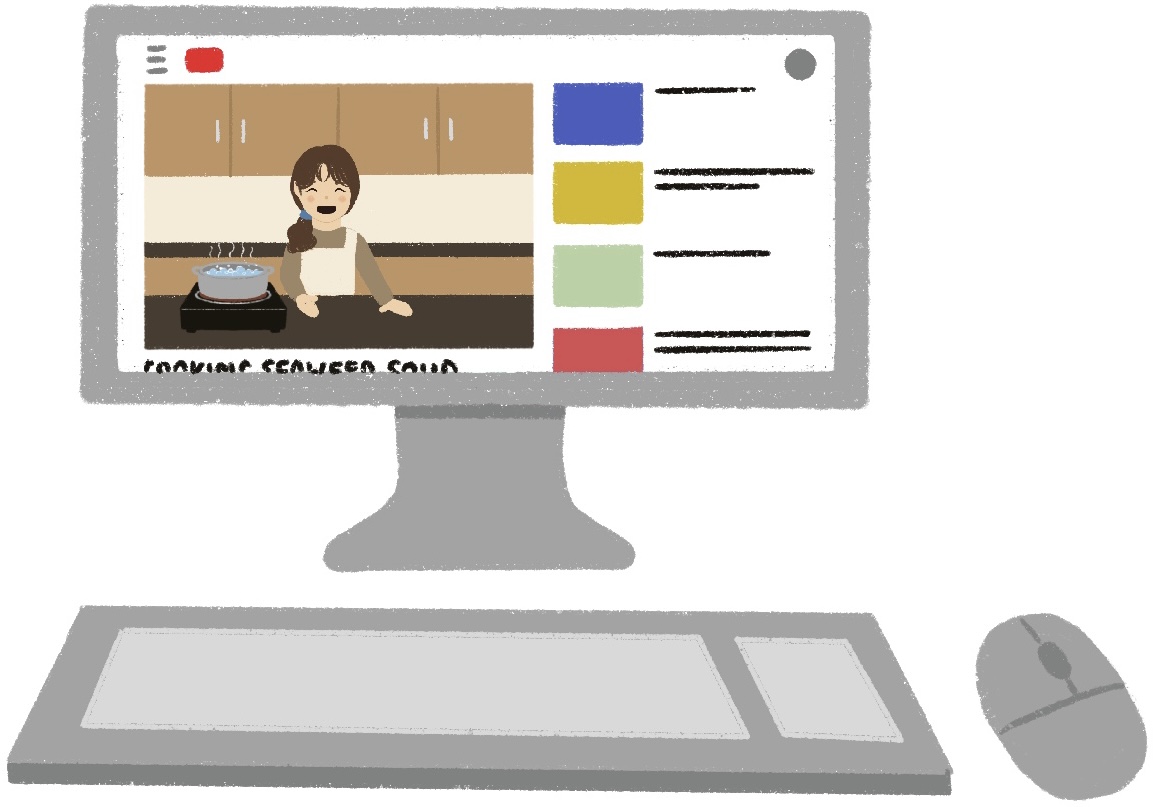
You are an influencer at 너튜브. Share your experience, review, and recommendation with your followers.
All topics are welcome, such as new products, travel, restaurants, food, entertainment, and more.
(맛보기) 취미: 새로 나온 게임을 해 봤더니…
(맛보기) 수업: 코딩 수업을 들어봤더니…
(맛보기) 운동: 피클볼을 매일 쳤더니…
(맛보기) 화장품: 페이스 마스크를 사용해 봤더니….
Language Point: The Subject Particle –이/가 for Focus
| 한 남자가 식당에 걸어 들어 갔는데… | A man walks into a restaurant… |
For this reason, question words are always marked with –이/가 (when they are subjects) because their function is to seek new information. Likewise, since an answer introduces new information, that information is also a Focus, marked with –이/가:
| 질문: 이 식당에 뭐가 맛있어요? | What’s good in this restaurant? |
| 대답: 물냉면이 맛있어요. | 물냉면 is good. |
Consider this:
| 질문: 이 식당에 뭐가 맛있어요? | What’s good in this restaurant? |
| 대답: 물냉면은 맛있어요. | (Well,) 물냉면 is good. |
The use of –은 in the answer might seem odd or surprising, because 물냉면 has not been established as a topic in the dialogue. So the questioner will need to think twice about the answer and understand the statement to mean: “If we are talking about 물냉면, it’s good,” implying that other dishes in that restaurant are not so great. This way, the answerer manages to avoid talking about the other unpalatable foods by weaseling 물냉면 into Topic status.
A focused element is also something that is identified from among many possible entities. –이/가 sentences have a similar function as the English phrase “It is [FOCUSED ELEMENT] that … .”
| 질문: 누가 내 책 가지고 있어? | Who has my book? |
| 대답: 내가 안 가지고 있어. 은이가 가지고 있어. | I don’t have it. 은이 has it. (It is 은이 who has it.) |
| 한국 국수 중에는 냉면이 최고지만, 라면이 만들기가 더 쉽다. | As for Korean noodles, 냉면 is the best, but 라면 is easier to make. (It is 라면 that is easy to make.) |
한국 문화 길잡이
할 수 있어요! I Got This!
Check to see if you can do the following:
-
- Share what you notice or what resulted from your actions.
- Give advice based on your experiences or observations.
- Report your concerns and ask for solutions.
|
Listening Script
|
|
|
주연:
|
안녕하세요! 여러분. 오늘 하루도 즐겁게 지내셨나요? 오늘은 이번 달에 새로 나온 세계적인 래퍼 “워드”의 새 앨범을 노아 씨와 함께 소개해 드리겠습니다. |
| 노아: | 안녕하세요! 워드 씨의 앨범이 드디어 나왔습니다! 워드 팬으로서 정말 기쁘네요! |
| 주연: | 노래는 몇 곡이나 들어 있나요? |
| 노아: | 모두 다섯 곡이 들어있는데요. 제가 한번 들어봤더니 노래가 정말 신나고 가사도 흥미로웠어요. |
| 주연: | 저도 그렇게 느꼈어요! 타이틀 곡의 제목이 ‘우리 엄마 미역국, 나도 먹는다’인데 정말 재미있죠? 이 곡에 대해 설명 좀 해 주시겠어요? |
| 노아: | 워드 씨가 콘서트하다가 생일날에 쓴 노래라고 해요. 워드의 인터뷰를 한번 읽어 볼까요? |
| 주연: | 저도 그렇게 느꼈어요! 타이틀 곡의 제목이 ‘우리 엄마 미역국, 나도 먹는다’인데 정말 재미있죠? 이 곡에 대해 설명 좀 해 주시겠어요? |
| 노아: | 워드 씨가 콘서트하다가 생일날에 쓴 노래라고 해요. 워드의 인터뷰를 한번 읽어 볼까요? |
| 주연: | 네, 제가 읽어볼게요. “제가 생일날 콘서트가 끝나고 호텔방에서 쉬다가 갑자기 우리 엄마가 끓인 미역국이 생각이 났어요. 그래서 우리 엄마하고 미역국을 생각하면서 가사를 쓰고 노래를 만들었습니다.” 라고 하네요. |
| 노아: | 네, 워드 씨의 노래는 늘 독특하고 흥미로운 것 같습니다. |
| 주연: | 맞습니다. 지난 번에는 ‘하나도 안 부럽군’라는 노래를 발표하더니 이번에는 미역국에 대한 노래를 발표했네요. |
| 노아: | 네, 그래서 워드 씨의 노래가 인기인 거 같아요. 그리고 저는 워드 씨의 노래로 한국어를 배워서 워드 씨의 노래 가사를 특별히 좋아합니다. |
| 주연: | 아, 그렇군요! 워드 씨의 노래가 한국어를 배우는 학생들한테도 인기군요! |
|
노아:
|
네, 가사가 재미있고 따라부르기 쉬워서 인기예요. 저도 워드의 노래로 한국어 공부를 열심히 했더니 한국어 실력이 많이 늘었어요. |
| 주연: | 좋은 방법이네요. 그럼 여러분, 워드 씨의 새 앨범 타이틀 곡, ‘우리엄마 미역국’을 들어보시죠. ~ ~ ~ |