8 Lesson 8: 한국에서는 생일날 미역국 먹잖아요.
한국에서는 생일날 미역국 먹잖아요.
학습 목표 Goals
By the end of this lesson, you will be able to:
- Use causative verbs to talk about a recipe.
- Give simple directions about how to prepare Korean dishes.
들어가기 Setting Up
Lesson Focus
- INGREDIENTS – 단어 Vocabulary
- Dishes and Ingredients
- Cooking verbs
- RECIPE – 문법과 표현 Grammar
- Causative verbs
- A/V–잖아(요)
- NOUN 에다가
- LET’S COOK! – 해 봐요! Classroom Tasks
- Interpretive Task 1: A conversation about Dami’s birthday
- Interpretive & Interpersonal Task 2: Butter and soy sauce rice recipe
- Interpersonal & Presentational Task 3: My comfort food
- KOREAN FLAVORS – 한국어와 한국 문화 Korean Language & Culture
- Counters in Korean
- Korean Cuisine
- NOW YOU TRY! – 스스로 해봐요! Async. Practices and Tasks
- WB Link
- Communicative Task Link
짝하고 얘기해 봐요! Share your thoughts!
Do you have quintessential birthday food in your culture? Can you give directions on how to make the dish?
What seems to be happening in the following dialogue?
 |
 |
 |
요리와 재료, 양념 Dishes, Ingredients, and Seasonings
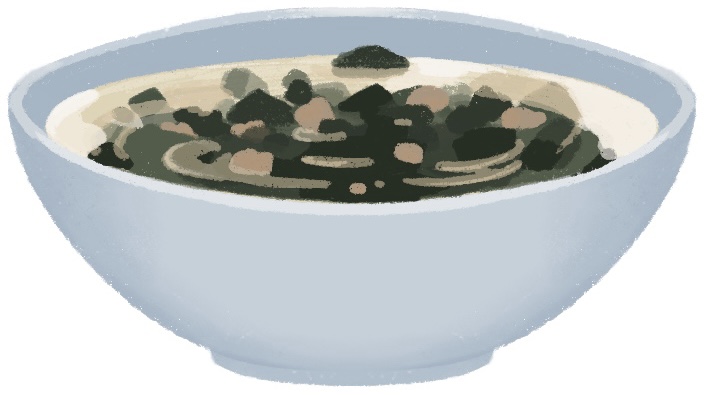 |
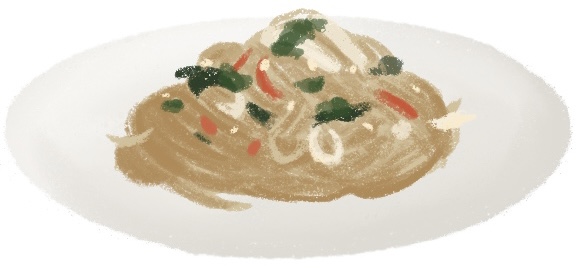 |
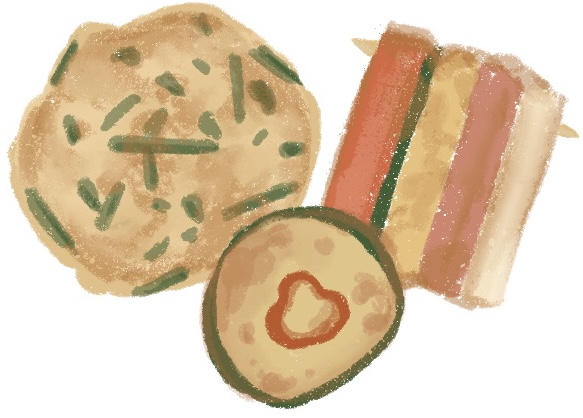 |
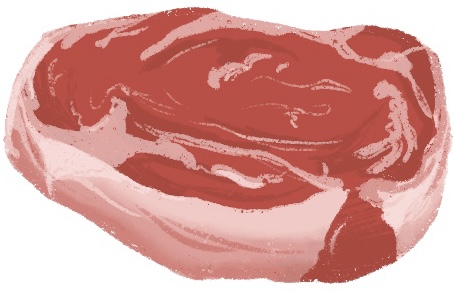 |
 |
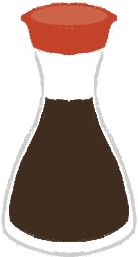 |
| 미역국 | 잡채 | 전 | 소고기 | 새우 | 간장 |
| seaweed soup | japchae | Korean pancake | beef | shrimp | soy sauce |
 |
 |
 |
 |
 |
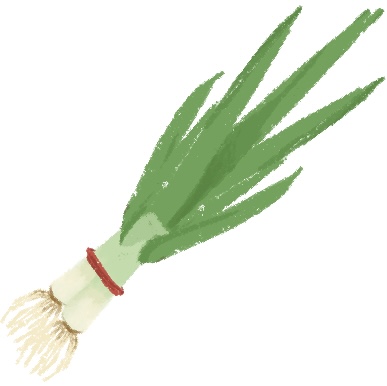 |
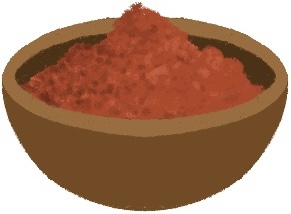
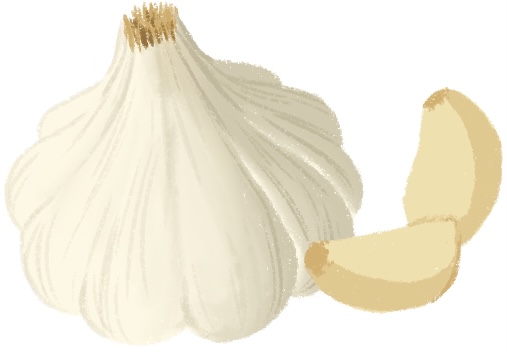
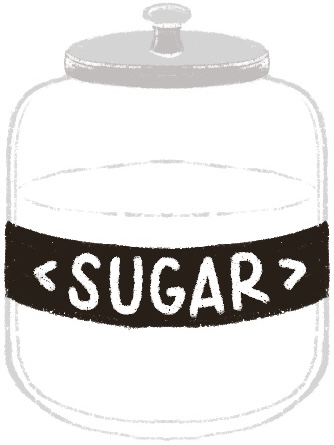
| 고추가루 | 마늘 | 설탕 | 소금 | 참기름 | 파 |
| red pepper flakes | garlic | sugar | salt | sesame oil | green onion |
요리하기 Cooking Verbs
 |
 |
 |
 |
 |
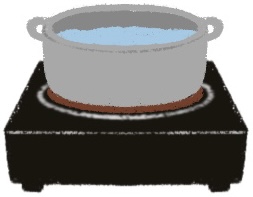
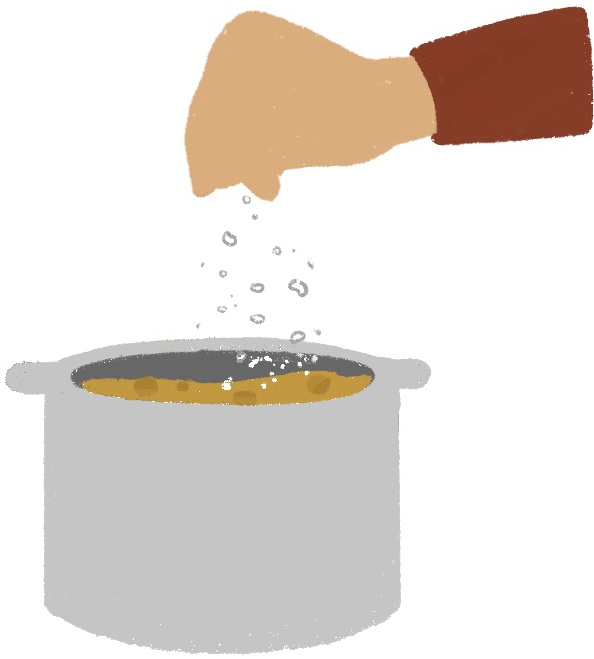
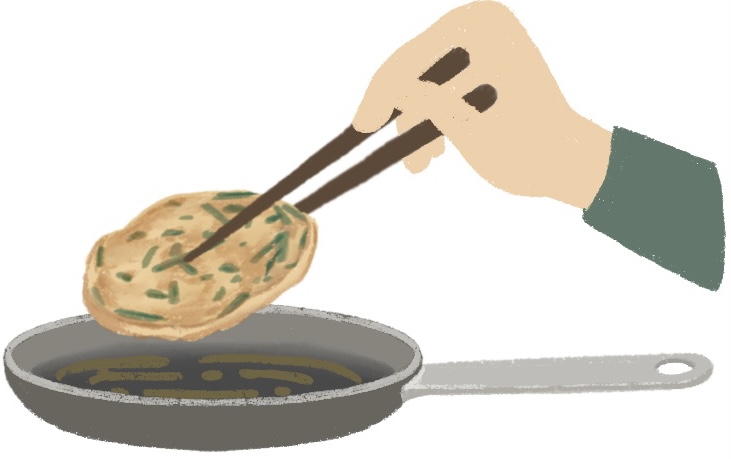
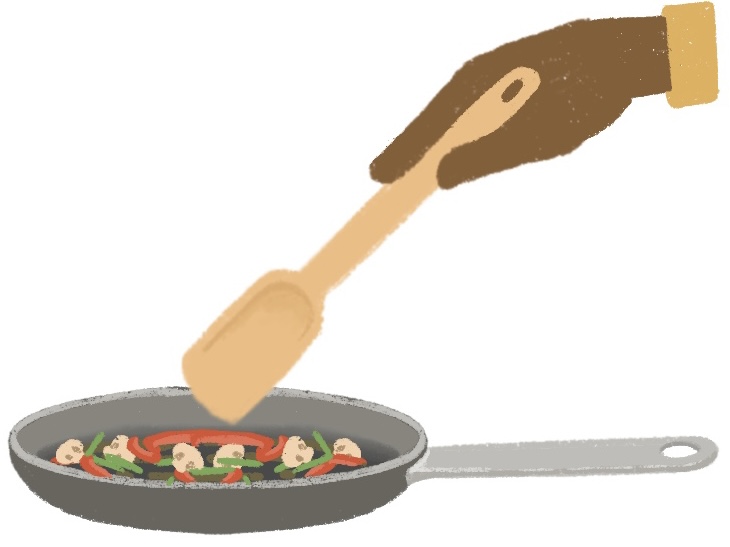
| 끓다/끓이다 | 넣다 | 부치다 | 볶다 | 썰다 |
| to boil/to make something boil | to put in | to fry, cook (Korean pancake) | to stir fry | to slice |
새 단어와 표현
| 냄비 | saucepan | 적다 | to write |
| 불 | fire, light | 타다/태우다 | to burn/to make (sth) burn |
| 숟가락 | spoon | 줄다/줄이다 | to reduce/to make (sth) reduce |
| 넘치다 | to overflow | 낮다/낯추다 | to be low/to lower |
| 끄다 | to turn off | 세다 | to be strong |
| 붇다/불리다 | to swell/to make (sth) swell | 싱겁다 | to be bland [ㅂ irregular] |
| 붓다 | to pour (in) [ㅅ irregular] | 그다음에 | next/after that |
| 익다/익히다 | to be ripe/to make (sth) cooked (to cook something) | 우선, 먼저 | first of all, before others |
단어 메모지 Vocabulary Notes
1. 불
불 means “fire” or “light” and is used in the following idioms:
| 불을 내다; 불이 나다 | to set something on fire; to catch fire |
| 불을 켜다; 불을 끄다 | to turn on the light; to turn off the light |
| 불을 줄이다 | to turn down the stove heat |
2. 붇다 to swell, to get puffy, to soften up
붇다 is frequently used for noodles or other food items such as dried seaweed. Remember that this is an irregular verb, so ㄷ becomes ㄹ before vowel-beginning suffixes.
| 국수가 많이 불었네. | The noodles are very bloated. |
3. Transitive and intransitive verbs
When your own action does not transfer onto, thus affect others, that action is expressed in intransitive verbs (e.g., I sleep.). On the other hand, when your action affects something or someone else, the verb expressing the action is called transitive (e.g., She kicked the ball.) Let’s look at some Korean examples.
끝내다 (transitive) vs. 끝나다 (intransitive)
| 가: 일(을) 다 끝냈어요? | Have you finished all your work? |
| 나: (일이) 거의 끝났어요. | It’s almost done. |
More specifically, when your action brings about changes in someone or something else’s behavior or state, the verb expressing the action can be called causative (e.g. I made him go. I tightened the rope.) In Korean, many causative (and transitive) verbs are closely tied to their non-transitive counterparts. In this lesson, we introduce causative verb forms. Take careful note which particle is used with causative and non-causative verbs in the following example.
붇다 (intransitive, ㄷ-irregular) vs. 불리다 (transitive)
| 가: 미역이 다 불었어요? | Is the seaweed soft yet? |
| 나: 아니요, (미역을) 좀 더 불려야 돼요. | No, we need to soften it (let it soften up) a little more. |
단어 연습
연습 1.
연습 2.
짝을 만드세요! Pick one word from each row to make a set of related words. You should have one noun and two verbs.
(맛보기) 미역 – 썰다, 불리다
| 미역 | 미역국 | 소고기 | 김치 | 잡채 | 전 |
| 참기름 | 소금 | 간장 | 고춧가루 | 설탕 | 불 |
| 불리다 | 볶다 | 끄다 | 말리다 | 줄이다 | 썰다 |
| 넣다 | 부치다 | 끓이다 | 익히다 | 낮추다 |
연습 3.
| 간장 | 그다음 | 기름 | 먼저 | 불 | 소금 |
한국 요리 만들기: 파전
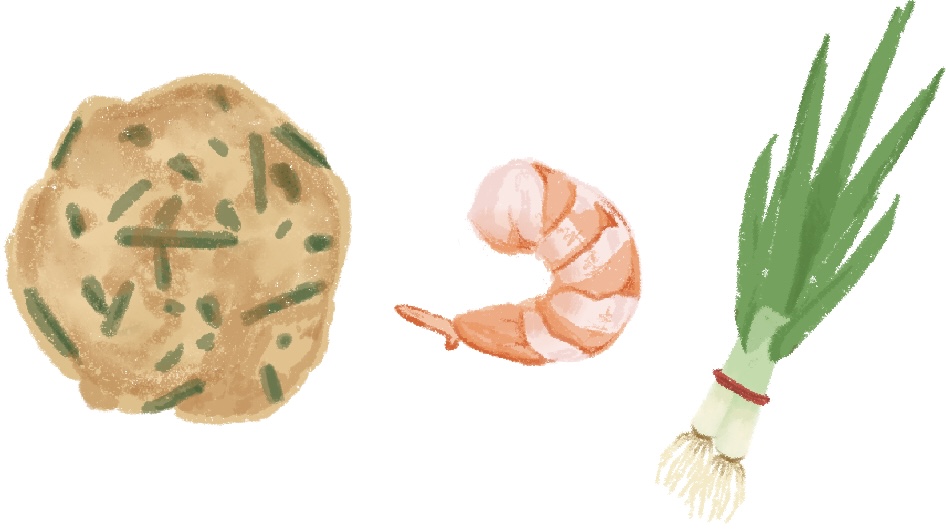
밀가루: flour
연습 4.
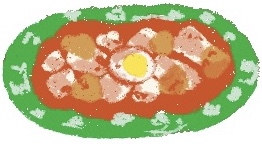
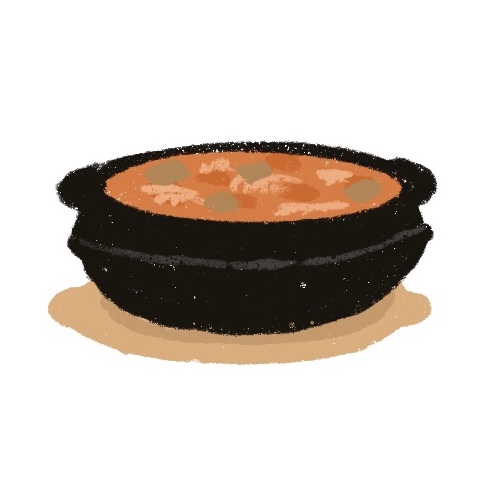
How do you make the following dishes? Write ingredients, seasonings, and cooking verbs as shown in the example.
 |
|
|
|
 |
|
| 떡볶이 | 미역국 | 전 | 잡채 | 김치 찌개 | Your own! |
| 떡, 고추장, 설탕, 간장 | |||||
| 자르다, 볶다, 끓이다, 익히다, 넣다 |
1. 사동사 Causative

사동사 Causative Verbs in Korean
Some verbs in Korean can be converted to causative (or permissive) verbs, which means ‘to have/make (or let) someone do something.” There are several ways to make the causative. One way is to use –게 하다/만들다:
| 나는 동생한테 라면을 끓이게 했어요. | I made/had/let my younger sibling cook instant noodles. |
| 기다리게 해서 미안해요. | Sorry I made you wait. |
Another, more direct way add a causative marker 이, 히, 리, 기, (이)우, 구, or 추 (Korean speakers memorize the markers in this order).
| 불을 낮추세요. 찌개가 넘쳐요. | Please lower the heat. The stew is overflowing. |
| 볶은 고기에다가 물을 넣고 끓이세요. | Add water to the stir-fried meat and boil it. |
Useful causative verbs
Here are some of the most frequently used causative verbs. Note that some causatives are made from adjectives (e.g., 낮다 low ⇒ 낮추다 to lower).
| 이 | |||||
| 끓다 | to boil (something boils) | 끓이다 | to boil something | 먼저 물을 끓이세요. | First of all, boil the water. |
| 줄다 | to reduce (someting reduces) | 줄이다 | to make something reduce/shrink | 불을 줄이세요. | Reduce the heat. |
| 높다 | to be high | 높이다 | to make something higher (to raise something) | 불을 높이세요. | Increase the heat. |
| 히 | |||||
| 익다 | to be ripe | 익히다 | to make something ripe (김치); cook well/till done (고기) | 고기를 익히세요. | Cook the meat. |
| 입다 | to wear | 입히다 | to put clothing on someone/something | 아기 옷을 입혀줘. | Dress the baby. |
| 더럽다 | to be dirty | 더럽히다 | to make something dirty (to dirty something) | 부엌을 너무 더럽히지마. | Don’t make a mess in the kitchen. |
| 리 + Verbs ending in -ㄹ related words | |||||
| 마르다 | to be dry; skinny (verb) | 말리다 | to dry something (to make something dry) | 말린 미역을 사세요. | Buy dried seaweed. |
| 알다 | to know | 알리다 | to inform (to make someone know) | 주소를 알려 주세요. | Please let me know your address. |
| 붇다 | to swell | 불리다 | to make something swell/big; to make big | 미역을 물에 불리세요. | Soak the seaweed in the water. |
| 기 | |||||
| 남다 | to be left over | 남기다 | to make something leftover; to leave something (behind) | 음식을 남기지 마세요. | Don’t leave any food; eat it up. |
| 신다 | to put on (shoes) | 신기다 | to make someone put on (shoes) | 강아지에게 신발을 신겼어요. | I have my dog wear shoes. |
| 웃다 | to laugh, smile | 웃기다 | to make someone laugh | 그 친구는 정말 웃겨. | That friend is really funny. |
| 우 | |||||
| 타다 | to get on (a ride); (something) to burn (up) | 태우다 | to giev someone a ride; to burn something | 갈비찜을 태웠어요. | I burnt the galbi jjim. |
| 크다 | to grow; to be big | 키우다 | to make something/someone grow; to raise | 집에서 파를 키워요. | I grow green onions at home. |
| 추 + Verb ending in ㅈ | |||||
| 낮다 | to be low | 낮추다 | to make something low (to lower something) | 소리를 좀 낮추세요. | Turn the volume down a bit. |
Conjugation
As you have observed, the exact shape of the short form causative (derived verb) is not always predictable, and there are many exceptions to the 이, 히, 리, 기, (이)우 rules. Thus, you will need to memorize individual oddities. Learn the short-form causative verbs by first sounding each word out until you are used to the sound pattern (남다 ⇒ 남기다 vs. 읽다 ⇒ 읽히다 vs. 보다 ⇒ 보이다, etc.). Then, memorize at least two or three verbs in each final consonant along with their meanings, which can give you a representation of the category. Other frequently used causative verbs are as follows. Can you guess their meanings?
- –이 먹이다(먹다), 내다(나다), 붙이다(붙다)
- –히 앉히다(앉다), 눕히다(눕다), 밝히다(밝다); 괴롭히다(괴롭다), 좁히다(좁다), 넓히다(넓다)
- –리 말리다 (마르다), 얼리다 (얼다)
- –기 숨기다(숨다), 안기다 (안다), 맡기다(맡다), 벗기다 (벗다)
- –(이)우 끼우다 (끼다), 키우다 (크다), 재우다 (자다)
- –구 달구다 (달다, to be heated)
- –추 맞추다 (맞다), 늦추다(늦다)
Let’s practice! Complete the following causative words conjugation practice and write a sentence using each verb in causative form.
| 끓다 – 끓__다 | 입다 – 입__다 | 알다 – 알__다 | 익다 – 익__다 |
| 타다 – 태__다 | 줄다 – 줄__다 | 낮다 – 낮__다 | 남다 – 남__다 |
| 붇다 – 불__다 | 크다 – 키__다 | 웃다 – 웃__다 |
<답> 끓이다, 입히다, 알리다, 익히다, 태우다, 줄이다, 낮추다, 남기다, 불리다, 키우다, 웃기다
연습 1. Causative Verbs
Complete the sentences using appropriate causative words as in 맛보기.
(맞보기)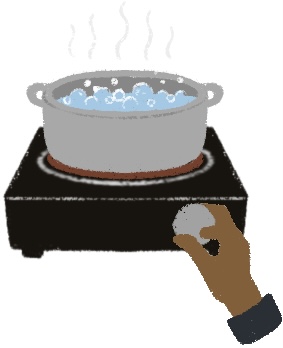 |
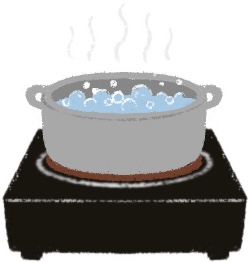 |
| 1. 물을 (끓어요 끓여요). | 2. 물이 (끓어요 끓여요). |
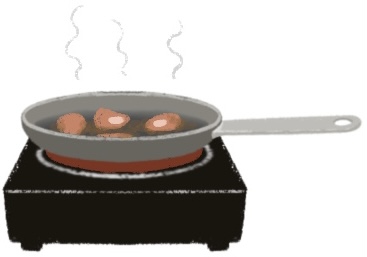 |
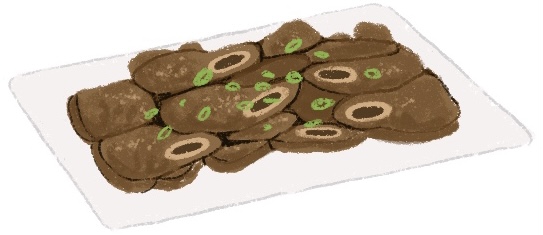 |
| 3. 갈비가 (익었어요 익혔어요). | 4. 갈비를 (익었어요 익혔어요). |
 |
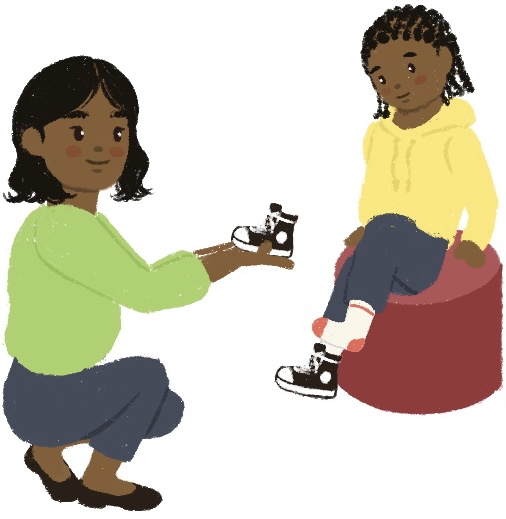 |
| 5. 신발을 (신어요 신겨요). | 6. 동생 신발을 (신어요 신겨요). |
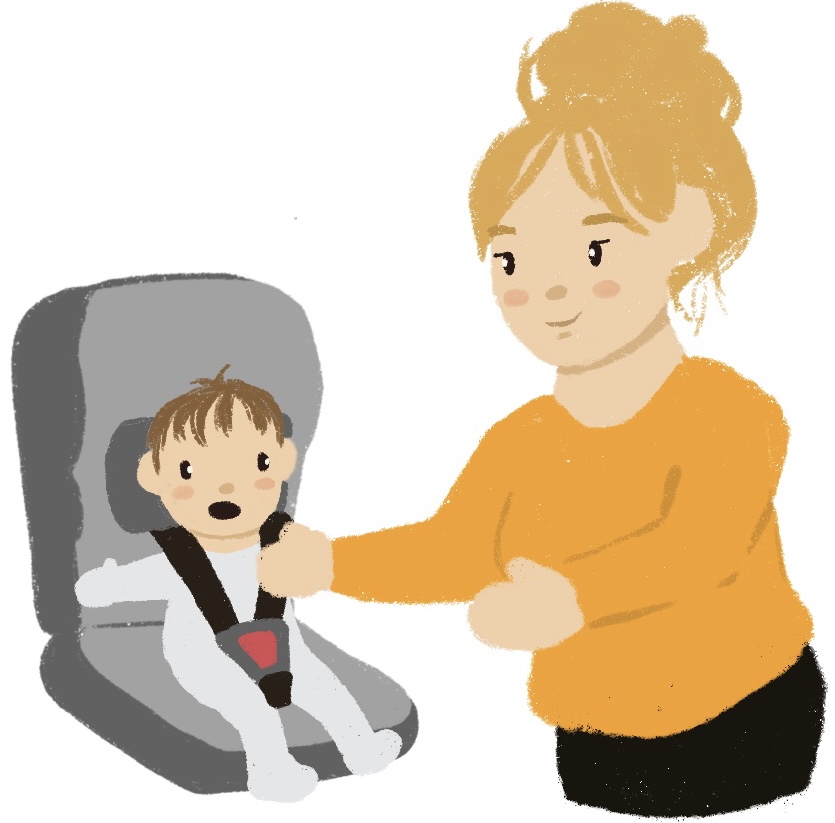 |
 |
| 7. 아기를 차에 (타요 태워요). | 8. 차에 (타요 태워요). |
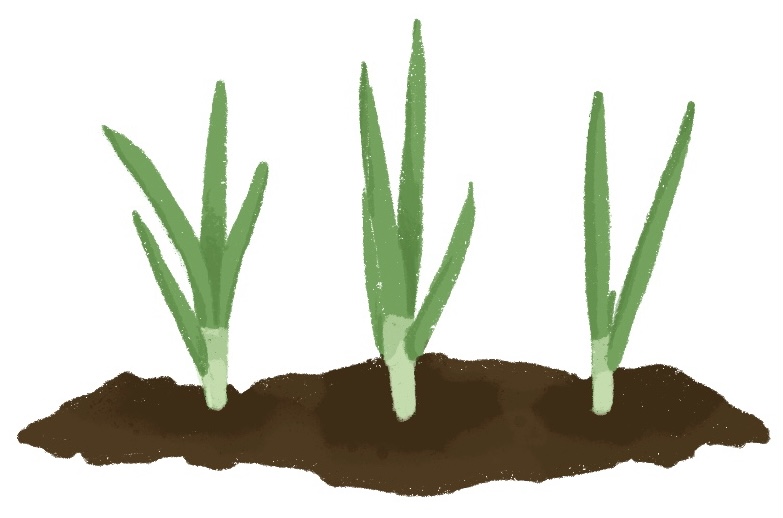 |
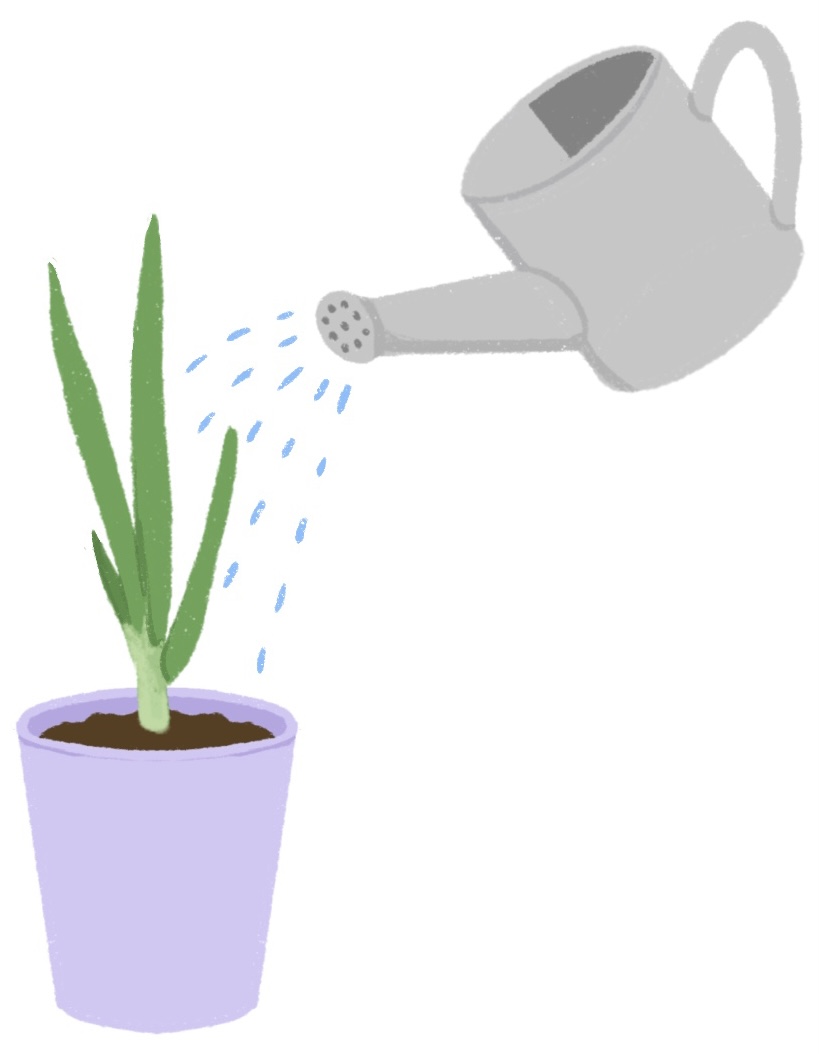 |
| 9. 파가 (커요 키워요). | 10. 파를 (커요 키워요). |
연습 2. Causative Verbs
Provide causative verbs and then complete the requests as in 맛보기.
(맛보기) 먹다
[먹이다] 우리 강아지가 밥을 안 먹었어요. 강아지한테 밥을 먹이세요.
연습 3. Causative Verbs
Complete the following dialogues using causative verbs as shown in 맛보기.
(맛보기) 가: 지금 무슨 요리를 하고 있어요?
(맛보기) 나: 네. 요리는 아니고요. 지금 라면을 끓이고 있어요. [끓다]
1. 가: 한국에서는 돌잔치에 아기가 무슨 옷을 입어요?
1. 나: _______________________________________. [입다]
2. 가: 아이고, 오늘 산 바지가 좀 길어요!
2. 나: _______________________________________. [줄다]
3. 가: 지금 나갈 건데 같이 내 차 타고 갈래요?
3. 나: 네, _______________________________________. [타다]
4. 가: 전이 타는데 어떻게 하지요?
4. 나: 불이 너무 세네요. _______________________________________. [낮다]
5. 가: 빨래 다 말랐어요?
5. 나: 아니요, _______________________________________. [마르다]
6. 가: 미역국 끓일 거지요? 뭐부터 할까요?
6. 나: 먼저 _______________________________________. [붇다]
7. 가: 김치를 맛있게 먹으려면 어떻게 해야 돼요?
7. 나: 아니요, _______________________________________. [익다]
8. 가: 강아지한테 뭐 줄까요?
8. 나: ____________________________________________. [먹다]
연습 4. Causative Verbs
Share your advice using causatives for the following questions.
- ____________을/를 요리하려면 어떻게 해야 돼요?
- 강아지를 잘 키우려면 어떻게 해야 할까요?
- 김치를 빨리 익히려면 어떻게 해야 돼요?
- 머리를 빨리 말리려면 어떻게 하면 좋을까요?
2. A/V-잖아(요) (As) You (Certainly/Already) Know

A/V-지 않 Long-Form Negation
In Lesson 2 of Book 3, we learned that –지 않 is sometimes called the long negative form, as compared to 안 + VERB, where 지 is the same negative suffix you know from –지 마세요 (Please don’t do…) and –지 못해요 (one cannot…).
A/V-잖아(요) (as) you (certainly/already) know
–잖아, a historically contracted form from –지 않아, has taken on a new meaning. It is used casually as a tag question to mean, “obviously” or “y’know.” –잖아seeks the listener’s agreement, but only cursorily; the assumption is that the listener already has knowledge about what is being discussed. The intended effect of the ending is somewhat like the tag question–지, but with a stronger assumption that the listener should know:
| 가: 미역국은 왜? | What’s up with the seaweed soup? |
| 나: 오늘 내 생일이잖아요. | Well, it is my birthday today. (The listener also knows this and is being reminded.) |
If –잖아 is said with a more “whiny” intonation, it can be taken to be nagging or snappy:
| 가: 미역국 왜 안 먹어? | Why not eating the seaweed soup? |
| 나: 내일 시험이 있잖아. | Because I have a test tomorrow (as you know) [why are you asking this]. |
–잖아 is conjugated in the past or future tense:
| 가: 마늘하고 간장 안 넣어? | Why not adding garlic and soy sauce? |
| 나: 아까 넣었잖아. | Because I already added it [why are you asking this]. |
Some Korean speakers frequently use this ending in their speech as a personal speech style, sometimes using it at pauses in the form of있잖아, which is often used to open a new conversation:
| 저기, 있잖아. 어제 우리 강아지랑 산책했는데 우리 강아지가 있잖아… | You know what? I was taking a walk with my dog and my dog was…, y’know… |
Conjugation
This is a simple consonant-type conjugation. Here is a quick review opportunity:
| Dictionary Form | -잖아요 | -았/었잖아요 | Dictionary Form | -잖아요 | -았/었잖아요 |
| 끓이다 | 끓이잖아요 | 썰다 | |||
| 굽다 | 구웠잖아요 | 붇다 | |||
| 끄다 | 부치다 |
<답> 보내 주다, 구워 주다, 알려 주다, 만들어 주다, 들어 주다, 가르쳐 주다
연습 1. -잖아(요)
연습 2. -잖아(요)
Work with a partner. Look at the pictures below and respond to your absent-minded friend using –잖아요.
(맛보기) 가: 준수가 왜 불을 꺼요?
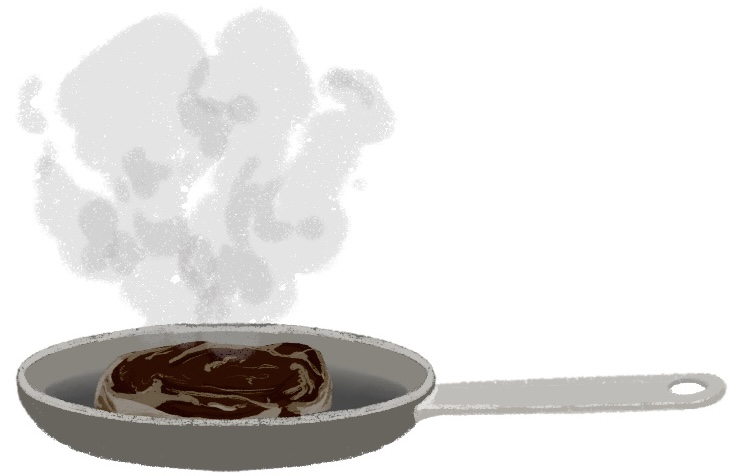
(맛보기) 나: 고기가 타잖아요.
 |
|
 |
 |
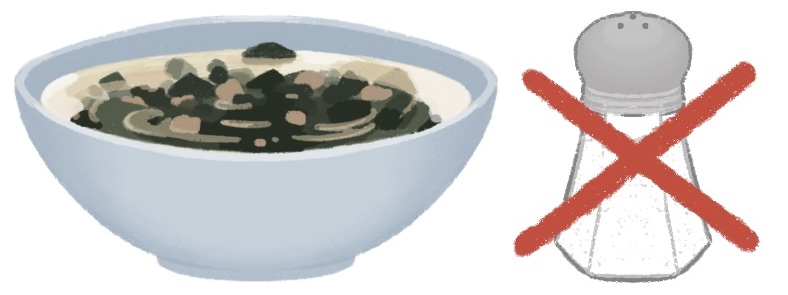
| (맛보기) 고기가 타다 | 1. 지금 전을 부치다 | 2. 아직 소금을 안 넣었다 | 3. 룸메이트 생일이다 |
 |
 |
 |
 |
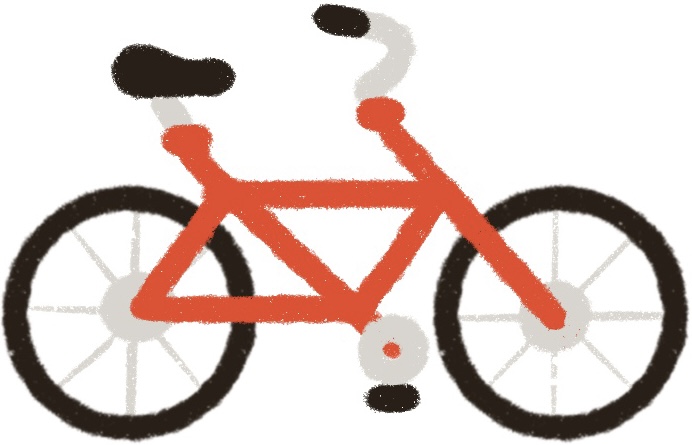
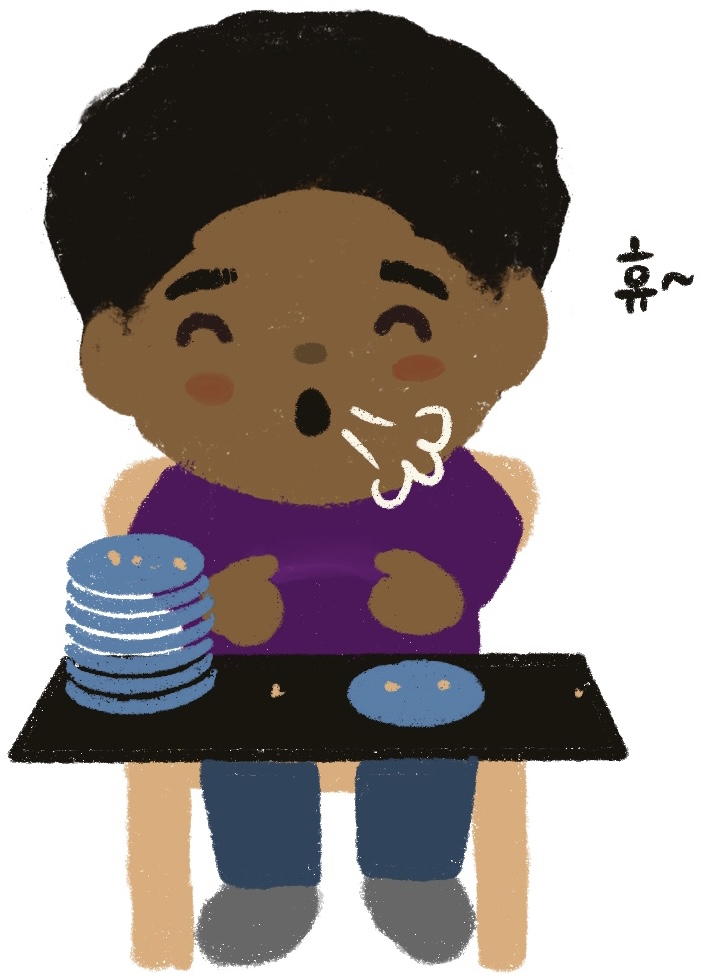
| 4. 밖이 춥다 | 5. 새 자전거를 샀다 | 6. 저녁 벌써 먹었다 | 7. 숟가락이 없다 |
1. 가: 할머니 생신인데 전 안 부쳐요?
1. 나: ____________________________________________.
2. 가: 국이 왜 이렇게 싱거워요?
2. 나: ____________________________________________ .
3. 가: 민우가 미역국을 끓이네요!
3. 나: ____________________________________________.
4. 가: 왜 강아지한테 옷을 입혔어요?
4. 나: ____________________________________________ .
5. 가: 다솜이가 오늘 하루종일 자전거를 타네요.
5. 나: ____________________________________________ .
6. 가: 제이든이 왜 음식을 남겼어요?
6. 나: ____________________________________________ .
7. 가: 왜 새우전을 안 먹어요?
7. 나: ____________________________________________.
연습 3. -잖아(요)
Complete the following dialogues by providing the appropriate repones using –잖아요.
(맛보기) 가: 매일 음식을 사서 먹어요?
(맛보기) 나: 제가 요리를 잘못하잖아요. [요리 잘못하다]
1. 가: 왜 잡채에 새우를 넣었어? 나는 소고기가 좋은데…
1. 나: ________________. [엄마가 소고기를 좋아하시다]
2. 가: 미역국 시작할까요?
2. 나: 10분만 기다리세요. ________________. [미역이 아직 다 안 불었다]
3. 가: 고기가 좀 덜 익었네요.
3. 나: ________________. [너무 익힌 고기는 맛이 없다]
4. 가: 잡채에 설탕을 너무 많이 넣지 마세요.
4. 나: ________________. 조금 더 넣을게요. [잡채는 좀 달아야 되다]
5. 가: 왜 불을 줄여요? 아직 다 안 익었는데…
5. 나: ________________. 불 안 줄이면 탈 거예요. [불이 너무 세다]
6. 가: 우리 잡채도 만들까요?
6. 나: ________________. 잡채 안 만들어도 돼요. [불고기하고 전을 많이 했다]
7. 가: 아이고! 음식 재료 값이 많이 나왔네요!
7. 나: 장을 좀 많이 봤어요. ________________. [내일 사람들이 많이 올 거다]
8. Create your own dialogue.
3. N 에다(가) “Onto,” In Contact With Noun

Noun 에다(가) onto, in contact with
The basic sense of the marker –다(가) is contact between two items: one being on top of another or directly touching it. It is combined most often with 에 as 에다(가). –다(가) can only be used with action verbs such as “set” (차리다), “leave” (두다), and “lean” (기대다), and, most frequently, “put” (놓다). It cannot be used with a stative verb such as 있다.
| 꽃을 꽃병에다가 꽂으세요. | Put flowers in the vase. |
| 가: 미역국에다(가) 파 넣어도 돼? | May I put green onions into the seaweed soup? |
| 나: 아니, 미역국에다가 파를 넣으면 안 돼. | No, you may not. |
Review: to/onto
Korean has different particles that can be translated as “to” in English. Take a moment to review:
 |
 |
 |
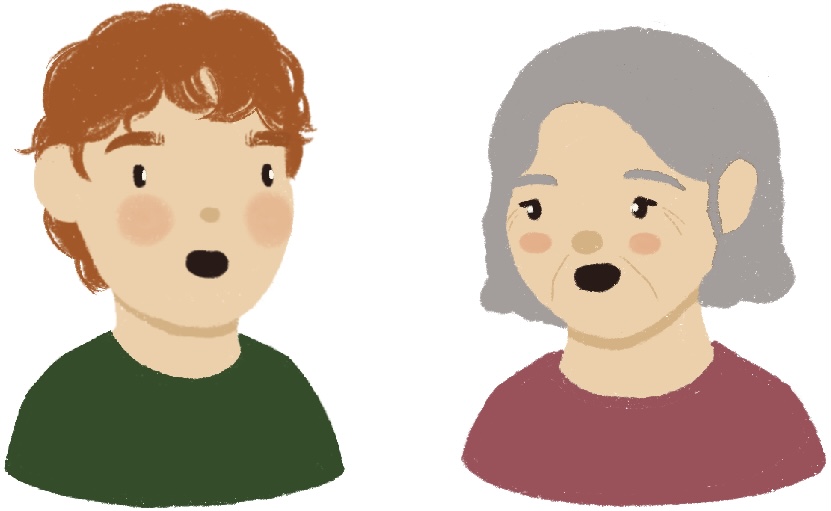 |
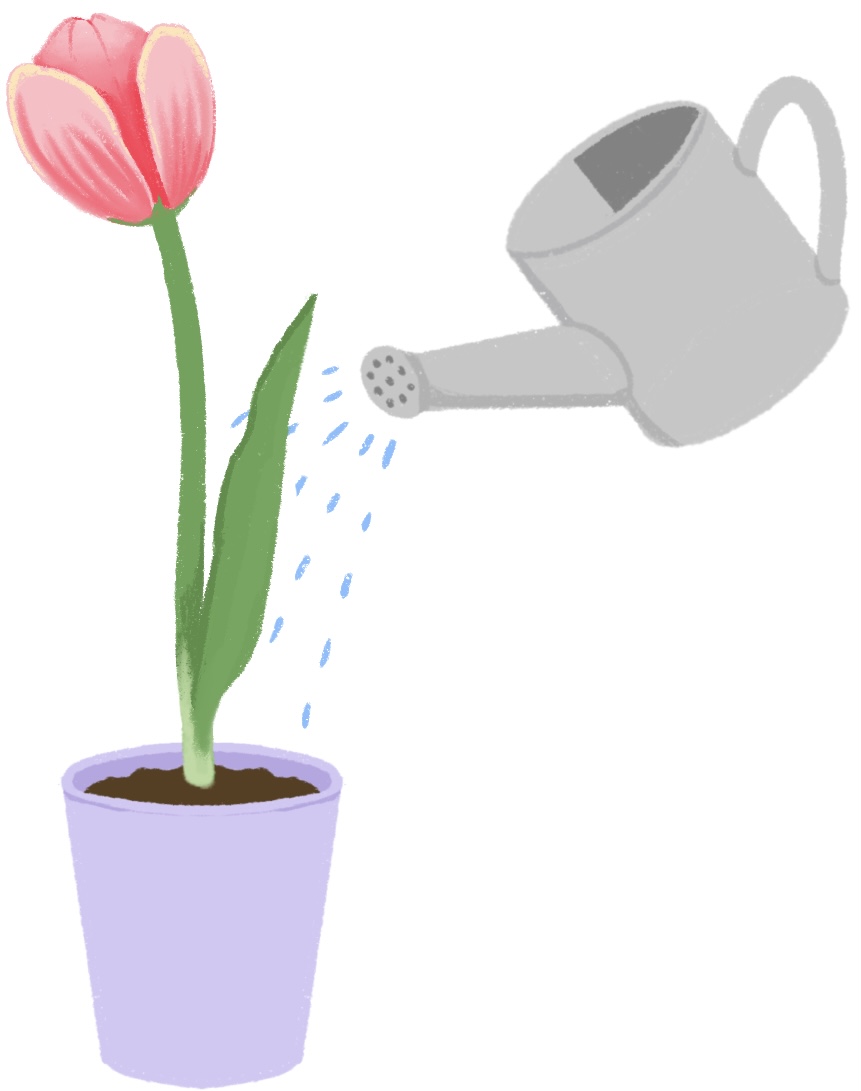
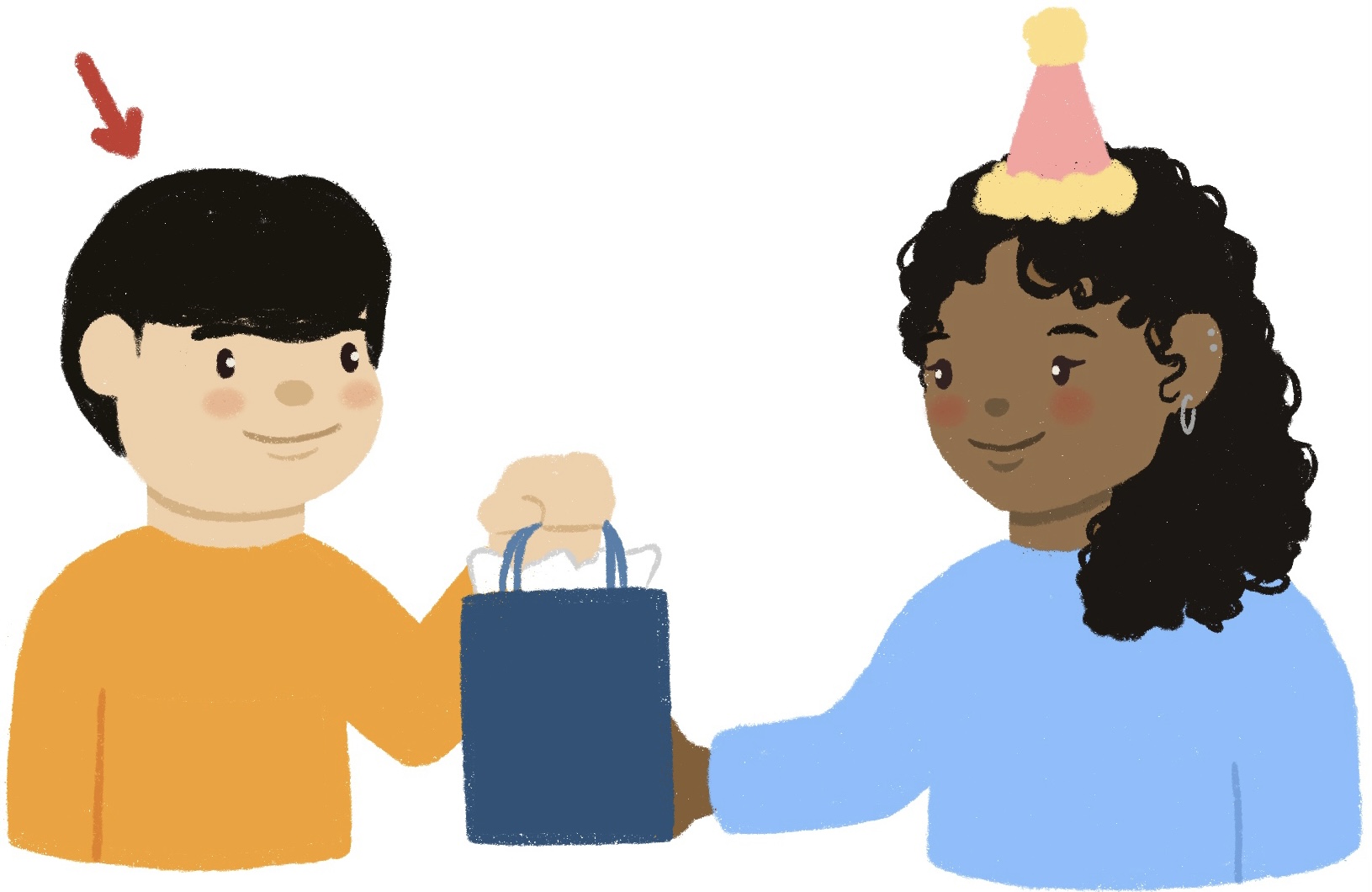
| 집에(다가) 전화해 보세요. | 꽃에 물을 주세요. | 친구한테 선물을 줬어요. | 할머니께 말씀드리세요. |
| Call your home. | Water your flower. | I gave a gift to my friend. | Talk to your granmother. |
연습 1. -에다가
| 냄비 | 여기 | 냉장고 | 미역국 | 떡볶이 | 비빔밥 | 파 | 가방 |
(맛보기) 책상에다가 책을 놓아 주세요.
휴대폰: cell phone
연습 2. -에다가
그렇게 하면 안 돼요! Tell your classmate not to do what they are trying to do. Use –에다(가).
(맛보기) 가: 미역국에 파를 넣어요?
(맛보기) 나: 아니요. 미역국에다 파를 넣으면 안 돼요.
1. 가: 이 화분에 물을 줄까요?
1. 나: 아니요, 그 화분___________________________.
2. 가: 여기 고추장을 넣을까요?
2. 나: 아니요, 불고기___________________________.
3. 가: 동생을 내 앞에 태워도 될까요?
3. 나: 아니요, 동생을 스쿠터___________________________.
4. 가: 집 앞에 차를 세워도 괜찮아요?
4. 나: 아니요, 집 앞___________________________.
5. 가: 프라이팬에 된장찌개를 끓여도 될까?
5. 나: 아니, 프라이팬___________________________.
6. 가: 라면에 소금을 좀 넣을까요?
6. 나: 아니요! 라면___________________________.
7. 가: 신청서에 주소를 적을까요?
7. 나: 아니요! 신청서___________________________.
8. 가: 미역국에 새우를 넣을까요?
8. 나: 아니요! 저는 새우 알레르기가 있어서 미역국______________________.
스쿠터: scooter
연습 3. -에다가
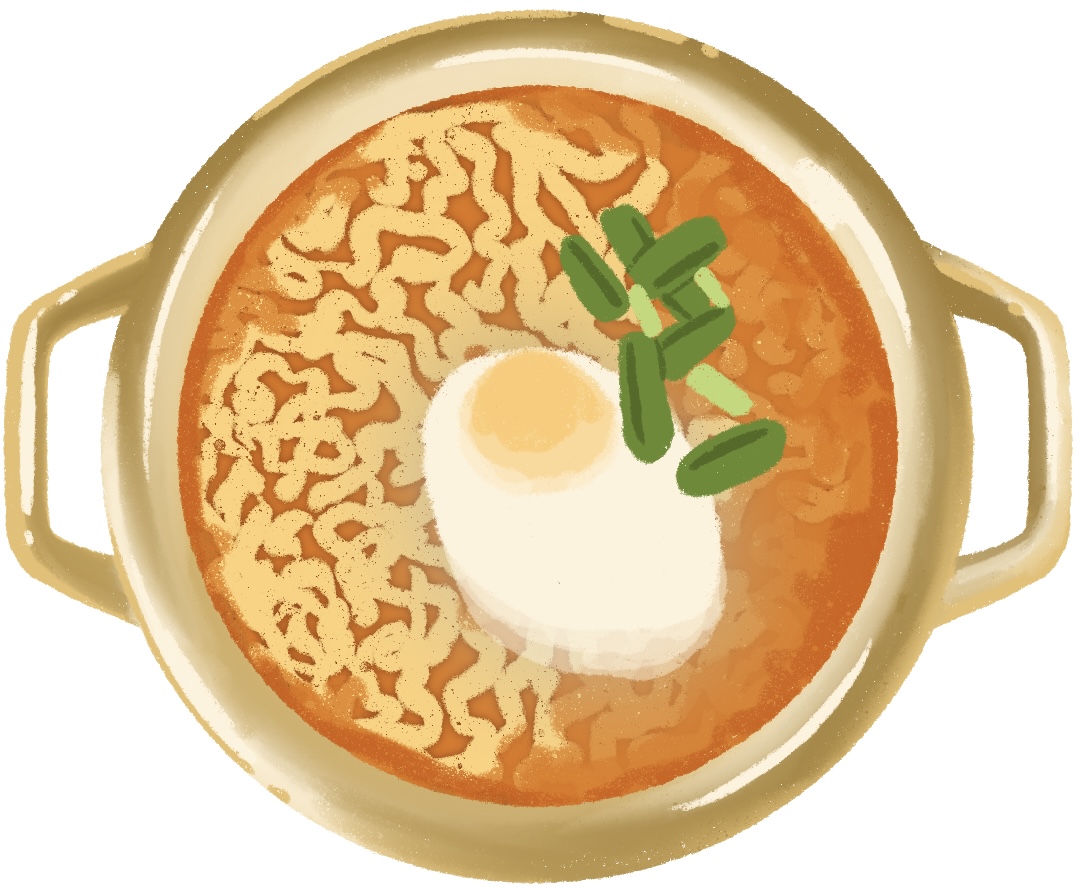
어떻게 만들어요? Your friend wants to make 라면 and is asking you to explain how to make it. Provide detailed instructions using –에다(가) as needed.
4. 종합 연습 Role Play
Create a role play with your partner using the key grammar expressions and new vocabulary from this lesson. Include 5 to 6 meaningful rounds of dialogue. Take turns and feel free to add details to make the conversation lively.
- Context: Two friends are discussing the upcoming birthday party of their mutual friend. Decide on the food dishes they will prepare and discuss the detailed instructions for making those dishes.
- Participants: Two friends who have a mutual friend.
- Key Expressions: Causative verbs, –잖아(요), NOUN–에다(가)
- Sample dialogue:
 |
 |
 |
 |
Interpretive Task 1. 듣기
Next Saturday is Dami’s birthday. So, Willow wants to cook a special birthday dish for her roommate Dami. So Willow asks Hoyoung how to cook that dish. Listen to the dialogue and answer in English.
- What kind of dish does Willow want to cook for Dami’s birthday?
- Willow wrote down Hoyoung’s direction. What is the direction?
Helpful Vocabulary
NOUN 정도: about NOUN
Interpretive & Interpersonal Task 2. 읽고 쓰기
Butter and Soy Sauce Rice Recipe
Daniel is craving one of his best childhood dishes. Share his recipe in English (or other languages) to introduce it widely in an English–speaking (or multilingual) community. Try on your own as much as you can and then use a dictionary if needed.
버터 간장 계란밥
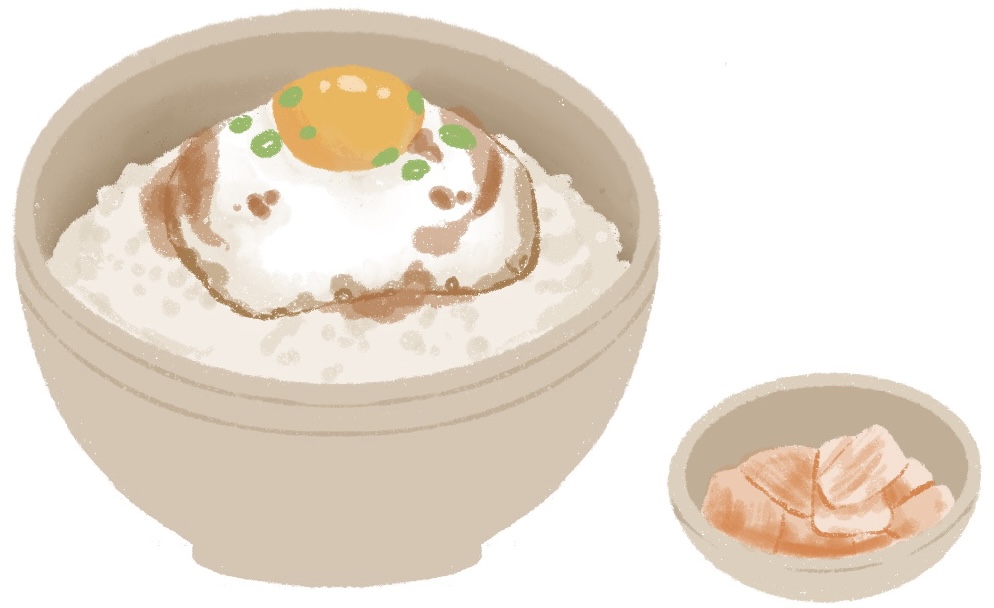
- 먼저 계란후라이 2개 준비하세요. (계란 후라이를 할 때는 노른자를 완전히 다 익혀도 좋고, 아니면 삶은 계란을 사용해도 괜찮아요)
- 따끈한 밥 위에 버터 2 조각을 올리세요.
- 그다음에 밥 위에 계란후라이를 올리세요.
- 그 위에다가 간장 1숟가락을 넣어 주세요.
- 골고루 잘 비비세요.
- 끝에 참기름 한두 방울하고 깨소금도 조금 넣으세요.
- 김이나 파도 좋아하면 더해 보세요.
- 김치나 단무지가 있으면 함께 맛있게 드세요.
물론 다른 다양한 재료들도 사용할 수 있습니다. 소고기, 닭고기, 해물, 야채, 버섯 등을 더해서 맛과 영양을 즐겨보세요!
Helpful Vocabulary
깨소금 sesame seed
골고루 evenly
계란 후라이 fried egg
비비다 to mix
노른자 egg yolk
방울 drop
삶다 to boil
버섯 mushrooms
따끈하다 warm
영양 nutrition
_______________________________
Interpersonal & Presentational Task 3. 말하고 발표하기
My Comfort Food
- With your friends, talk about your comfort food.What is it called? How do you cook it? What does it taste like? What ingredients are in it?, and so on.
- Share your favorite recipe in as much detail as you can. (Utilize cooking and food related vocabulary and expression you learned in this lesson.) Also, you may show a photo of the dish and tell your story or memory related to it.
My comfort food: ________________________
Ingredients:
Recipe:
Related story or memory:
Language Point: 분류사 Counters
Sino–Korean numbers (일, 이, 삼, 사, 오…) are in general used for naming, whereas Native Korean numbers (하나, 둘, 셋, 넷, 다섯…) are used for counting. Here are some examples for naming:
| 가: 그 형도 이 아파트촌에 살지? | He also lives in this apartment complex, no? |
| 나: 응. 삼 동 삼공삼 호(실)에요. | Right. Building Three, apartment (room) number 303. |
However, certain words, because they are Sino–based, must be counted with Sino–Korean numbers:
| 가: 뭘로 하시겠어요? | What would you like? |
| 나: 갈비 일 인분만 주세요 | I would like one serving (one person’s worth) of 갈비. |
You can also see the same counter used with both kinds of numbers, where the number follows the pattern of naming versus counting:
| 컴퓨터 게임 한 번만 더 하자. | Let’s do just one more round of a computer game. (counting) |
| 이 수학 문제 일 번은 너무 어려워… | Question One (naming) of this math problem is too difficult… |
| 내일 숙제는 워크북 세 쪽이에요. | Homework for tomorrow is three pages of the workbook. |
| 내일 숙제는 워크북 삼 쪽이에요. | Homework for tomorrow is Page 3 in the workbook. |
Sometimes, slightly different counters are used with the same or a similar word for different meanings:
| 한 시 vs. 한 시간 | 1 o’clock vs. 1 hour |
| 삼 월 vs. 삼 개월 | March (month 3) vs. 3 months |
For telling time, both kinds of numbers are used mixed. This is because months, days, and hours are treated like names, whereas minutes and seconds are counted!
| 가: 오늘이 몇 월 며칠이지요? | What’s the date today? |
| 나: 십 이월 십 이일이에요. | December 12th. |
| 가: 지금 몇 시 몇 분이에요? | What time is it now? |
| 나: 네 시 사 분 사 초예요. | 04:04:04. |
Most counters are, however, safely used with Native Korean numbers:
| 가: 모두 몇 분이세요? | How many of you? |
| 나: 전부 다섯 명/사람이에요. | 5 in all. |
Here are some counters in context:
| 가: 그거 생수야? 나, 물 한 모금만 마시자. |
| 나: 그래. 이 컵에다 한 잔 마셔. |
| 가: 강아지 한 마리를 데려왔는데 아주 장난이 심해. 내 신발도 한 짝 물어 뜯어 놨어. |
| 나: 나머지 한 짝도 줘. 한 켤레 다 먹어야 배가 차지. |
| 이 개월만 있으면 내 동생은 20살의 성인이 됩니다. 전에는 동생 생일에 항상 재미있는 소설 한 권이랑 카드 한 장, 그리고 좋은 펜 몇 자루를 사 주었습니다. 생각같아서는 집을 한 채 사 주거나 차를 한 대 사 주고 싶지만… 돈이 없어서 그런 큰 선물은 못 해 주니까 맥주나 몇 잔 사주고 용돈이나 몇 십만 원 줘야겠습니다. |
Do you know these?
- 봉지/봉투/상자/박스
- 송이/다발/단/그루(한) 달
- 모금/입
- 줌
Look where these counters came from!
- 모금 for sip comes from 목 (throat)
- 줌 for fistful, handful comes from 주먹 (fist)
- 숨 for breath comes from 쉬다 (breathe)
- 마디 for words/speech is related to말 (words). Which way?!!
한국 문화 길잡이
Korean Cuisine
What key elements (or staple food items) make up the Korean table? Traditionally, the usual table consists of the following:
| 밥 | cooked rice (also means meal) | 국 | soup |
| 찌개 | Korean stew | 반찬 | side dishes (including…) |
| 김치 | kimchi | 나물 | cooked vegetables |
| 숟가락 | spoon | 젓가락 | chopsticks |
| 밥 그릇, 공기 | bowl for rice | 국그릇 | bowl for soup |
Although Korean cuisine has been influenced by western and other international cuisines, traditional Korean cuisine is generally much less greasy or fatty than American food, with the exception of certain meat dishes, such as 삼겹살 and certain common marinated beef dishes. Serving sizes (of everything!) are much smaller than in North America, and Korean cooking involves much less deep frying and makes use of less fatty dairy products. A great number of vegetables go into Korean dishes, and of course, 반찬 are most often made from vegetables––the pickled ones help cut the grease of accompanying meat.
In addition, Koreans tend to eat fewer sweets, and the sweets they do eat are often naturally sweet (such as sweet potatoes and pumpkin), or they just use less sugar. You might have heard the expression that “안 달아서 맛있다” which praises a dessert being not so sweet and thus tasting good! Korean people do not usually eat sweets for dessert, either; if anything, they have fruit for dessert. Just a slice of watermelon or a wedge of orange tops off a Korean meal nicely! Many restaurants will serve perhaps only a slice of orange, not so much as dessert as a palate cleanser or breath freshener, perhaps. Sweets are consumed as 간식 or 주전부리 (snacks).
채식주의 (Vegetarianism) is now at least known in Korea, though you might still encounter bewilderment in some restaurants when trying to ask for strictly vegetarian dishes (e.g. 김치찌개that is NOT made with fish sauce––you can find this kind of 김치 in Buddhist temples).
When setting the Korean table, rice and soup are set at each person’s place, and other foods are placed in the center. Main dishes generally used to be eaten communally, or by putting small portions into one’s rice bowl, but nowadays, a lot of people use their individual plate or bowl for main dishes. Note that Koreans do not move dishes around at the table. Explore and learn Korean table manners using online resources!
할 수 있어요! I Got This!
Check to see if you can do the following:
- Use causative verbs to talk about a recipe.
- Give simple directions about how to prepare Korean dishes.
| Listening Script
호영: 이제 곧 다미 생일이잖아. 우리 파티해 줄까? 윌로우: 어, 맞아. 다음 토요일이야. 그래서 미역국 끓여주고 싶은데. 미역국 어떻게 끓이는지 알아? 호영: 어, 물론이지. 우리 엄마한테서 배웠어. 우리 엄마가 소고기미역국 진짜 맛있게 끓이시거든. 윌로우: 그래? 근데 미역국 만들기 어려워? 호영: 아니, 진짜 쉬워. 윌로우: 그럼 만들어 봐야지. 잠깐, 좀 적을게. 준비됐다. 가르쳐 줘. 호영: 먼저, 미역을 물에 10분 정도 불린 다음 물을 빼. 윌로우: 어, 알았어. 호영: 그 다음에, 냄비에다가 소고기를 넣고 볶아서 익혀. 소고기가 다 익으면 거기에다가 참기름하고 마늘, 미역을 넣고 같이 볶아. 윌로우: 얼마 동안 볶아? 호영: 어, 2, 3분 정도 잠깐 볶으면 돼. 태우지 마. 윌로우: 알았어. 2, 3분 정도? 호영: 어, 그 다음에 찬 물을 넣고 끓여. 한번 끓으면 불을 줄이고 20분 정도 끓여야 돼. 윌로우: 잠깐 잠깐! 좀 천천히 말해 봐. 얼마 정도 끓여? 호영: 20분 정도. 윌로우: 20분, 알았어! 그리고 소금은 언제 넣어야 돼? 호영: 소금은 넣지 말고 국에다가 국간장을 넣어야 돼. 윌로우: 국간장? 몇 숟가락 넣어야 돼? 호영: 글쎄… 그냥 먹어 보고 안 싱거울 때까지 넣으면 돼. 윌로우: 음, 좀 어렵네. 호영: 아니야, 쉬워. 해봐 윌로우: 알았어. 해 볼게! |