5 Lesson 5: 사물놀이 동호회에 가입하기로 했어요.
사물놀이 동아리에 가입하기로 했어요.
학습 목표 Goals
By the end of this lesson, you will be able to:
- Talk about your hobbies and club activities
- Share what you have decided to do with reasons
- Give your recommendations for hobbies and club activities
들어가기 Setting Up
Lesson Focus
- INGREDIENTS – 단어 Vocabulary
- Hobby and club activities
- RECIPE – 문법과 표현 Grammar
- V–기로 하다
- A/V–기 때문에
- V–는 게 어때요?
- LET’S COOK – 해 봐요! Classroom Tasks
- Interpretive Task 1: A conversation about a club audition
- Interpretive & Interpersonal Task 2: Email about new Korean culture clubs
- Interpersonal & Presentational Task 3: Hobby club expo
- KOREAN FLAVORS – 한국어와 한국 문화 Korean Language and Culture
- Language Point: Irregular Conjugation: 르–final verbs
- Culture: Korean Traditional music and instruments
- I GOT THIS! – 할 수 있어요! Async. Practices and Tasks
- Integrated Performance Task Link
- WB Link
짝하고 얘기해 봐요! Share your thoughts!
What clubs have you joined or are you considering joining? Do you have any clubs that you would like to recommend to your friend?
Now let’s read these two dialogues. What are they talking about?
 |
 |
 |
기분 Feelings
 |
 |
 |
 |
 |
 |
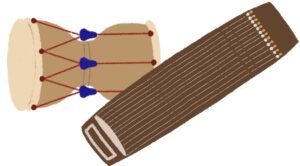
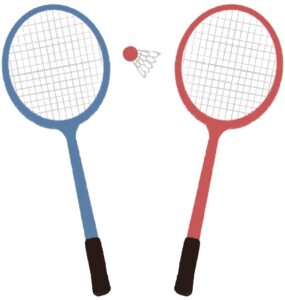
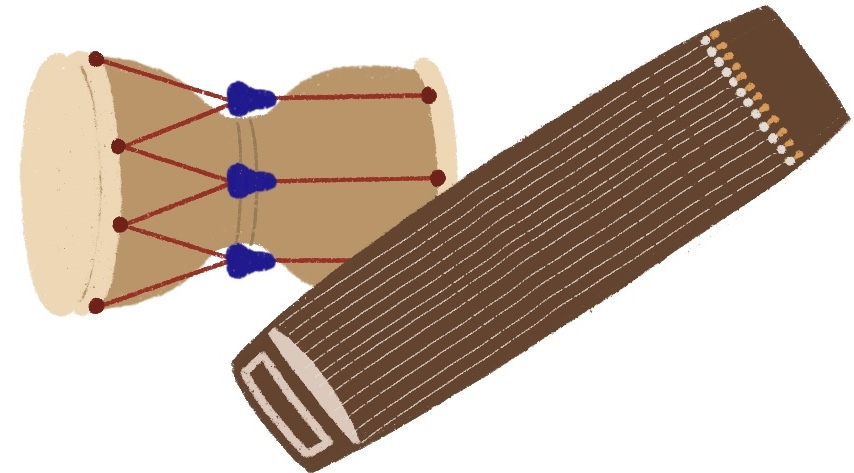
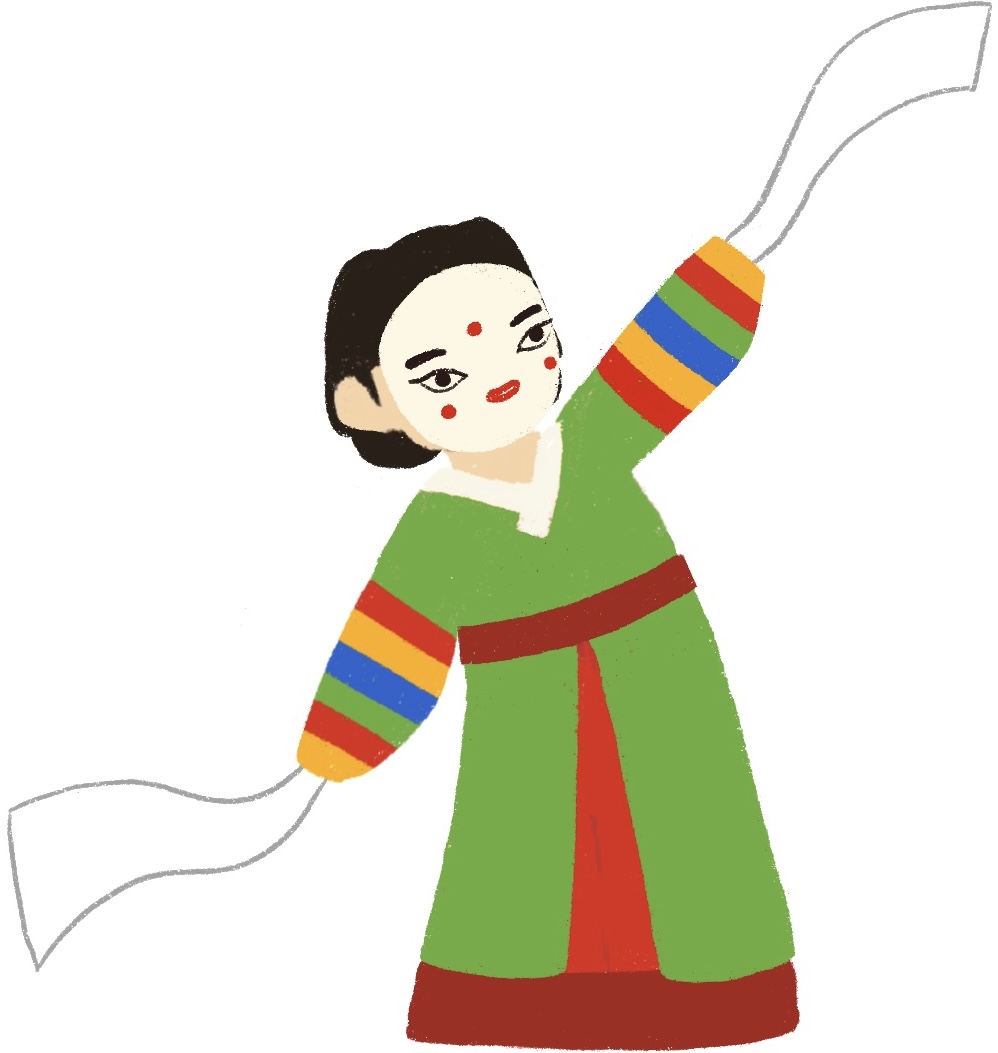
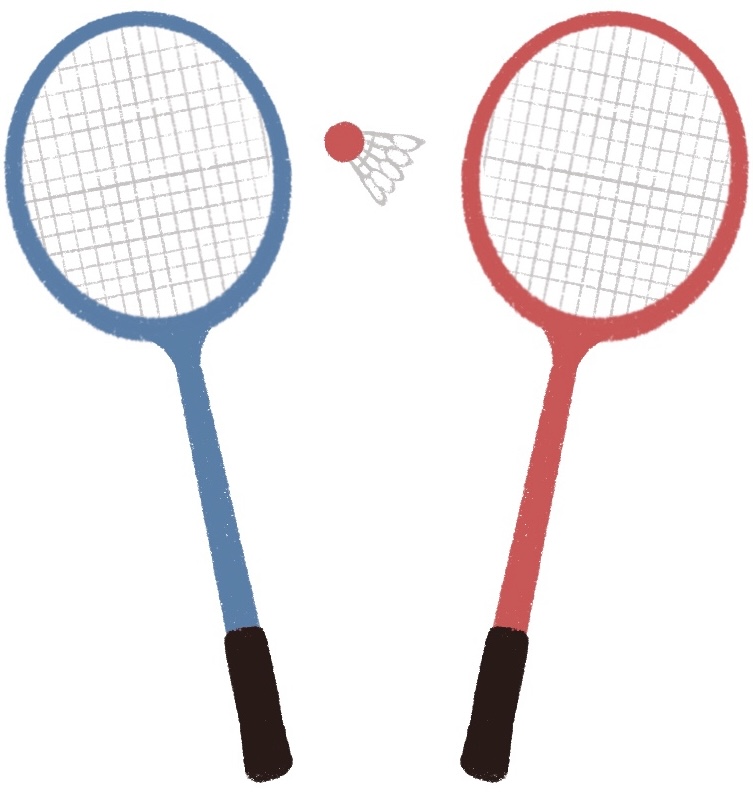
| 국악 | 배드민턴 | 사물놀이 | 서예 | 축구 | 탈춤 |
| Traditional Korean music | badminton | Samulnori (Korean traditional percussion quartet) | Korean calligraphy | soccer | Korean mask dance |
새 단어와 표현 Other Vocabulary and Expressions
| 동호회 | club | 들어가다/들어오다 | to go in/to come in |
| 모임 | gathering, meeting | 봉사(하다) | to volunteer |
| (신입) 회원 | (new) member | 생각(하다) | to think |
| 악기 | musical instrument | 신나다 | to become elated, happy |
| 오디션 | audition | 연주(하다) | to play (musical instrument) |
| 전통 음악 | traditional music | 풀다 | to untie, relieve |
| 환영회 | welcome reception | 활동(하다) | activity; to work, to be active |
| 가입(하다) | to join (a club) | 싹 | completely, cleanly |
| 공연(하다) | to perform | 짧게 | shortly, briefly |
| 따라하다 | to copy, imitate | 첫 | first |
| 떨리다 | to feel nervous, tremulous | 최근에 | recently |
| 스트레스를 풀다 | to relieve stress | 악기를 연주하다 | to play instruments |
| 오디션을 보다 | to have an audition | NOUN을/를 위해서 | for NOUN |
| 잘 생각했어요. | That’s a good plan! Good idea! | 얼마나 좋은데요. | Oh, it’s great! It’s going to be great (for you)! |
단어 메모지 Vocabulary Notes
1. –구 Suffix
구, meaning “ball”, is used in the naming of many ball-sports.
| 야구 | baseball | 축구 | soccer | 농구 | basketball |
| 탁구 | ping pong | 배구 | volley ball | 피구 | dodge ball |
2. 보다 Idioms
보다, meaning “to see/watch/look”, can be found in many idiomatic expressions.
| 시험을 보다 | to take a test | (시)장을 보다 | to do grocery shopping |
| 오디션을 보다 | to (take an) audition | 아기를 보다 | to babysit |
| 집을 보다 | to watch the house/to do house hunting | 환자를 보다 | to see a patient |
| 일을 보다 | to tend/take care of personal business | 상황을 보다 | to assess the situation |
3. 풀다 and 풀리다
In the previous chapter, we learned the verb “풀리다 (to come untangled, to be dissolved),” a passive version of the verb “풀다 (to untie/relieve).” As 풀리다 is a passive verb, 이/가 comes before the verb.
| 악기를 연주하면 스트레스가 풀려요. | Playing a musical instrument relieves stress. (If one plays a musical instrument, stress is relieved.) |
| 악기를 연주하면서 스트레스를 풀어요. | I relieve stress by playing a musical instrument. (While playing a musical instrument, one relieves stress.) |
4. NOUN을/를 위해(서), VERB기 위해(서) For (the benefit of) NOUN, for (the benefit of) VERB
위하다 means “to do something for the sake of” and is most often seen in the form of 위해(서). “NOUN을/를 위해(서)” clarifies or emphasizes whom a gift or favor is for.
| 신입 회원 여러분을 위해서 사물 놀이 수업도 합니다. | We offer a Samulnori class for new members. |
| 건강을 위해 배드민턴을 매주 칩니다. | I play badminton every week for my health (to be healthy). |
단어 연습 Vocabulary Exercises
연습 1.
Label each picture with the appropriate expression.
연습 2.
연습 3.
양로원: nursing home
연습 4.
What do you do for the following people or part of your life? Share your ideas with your classmates.
(맛보기) 건강
가: 저는 건강을 위해 매일 운동해요.
나: 저는 건강을 위해 한시간씩 걸어요.
1. 가족
2. 친한 친구
3. 사랑하는 사람
4. 건강
5. 워라밸
6. 스트레스 풀기
워라밸: 일과 삶의 밸런스 (work and life balance)
1. V-기로 하다 Decide To

V-기 시작하다
This is just a review of what you learned In Chapter 1: –기 시작하다 “to start VERBing”:
| 가: 몇 살때부터 운전 시작했어요? | When did you start to drive? |
| 나: 16 살때부터 운전하기 시작했습니다. | I started to drive at 16. |
| 최근에 새로운 악기를 배우기 시작했어요. | I recently started to learn a new instrument. |
V–기로 하다 Decide To
Verb–기로 하다means “to decide to VERB,” and the suffix –(으)로 gives the sense of “choosing/deciding on.” (가: 뭘로 먹을래? 나: 짬뽕으로 시킬래):
| 가: 무슨 동아리에 가입하기로 했어요? | What kind of clubs have you decided to join? |
| 나: 사물놀이 동아리에 가입하기로 했어요. | I’ve decided to join the Samulnori club. |
(By the time you say this, you might have already joined or not.)
| 연극 동호회의 오디션을 보기로 했습니다. | I’ve decided to audition for the theater club. |
| 한국어를 더 잘 배우려고 내년에 한국에 교환학생으로 가기로 했습니다. | To learn Korean better, I have decided to go to Korea as an exchange student next year. |
Conjugation
As –기 begins with the consonant, you do not need to change anything of the verb. Let’s practice!
| Dictionary Form | -기로 하다 | Dictionary Form | -기로 하다 |
| 모이다 | 부르다 | ||
| 걷다 | 가입하다 | ||
| 굽다 | 만들다 |
<답> 모이기로 하다, 걷기로 하다, 굽기로 하다, 부르기로 하다, 가입하기로 하다, 만들기로 하다
연습 1. -기로 하다
(맛보기) [축구 동아리에 들어가다]
(맛보기) 가: 어떤 동호회에 가입할 거예요?
(맛보기) 나: 축구 동호회에 들어가기로 했어요.
연습 2. -기로 하다
(맛보기) 목요일: 저녁 7시에 콘서트에 가다.
⇒ 목요일 저녁 7시에 콘서트에 가기로 했어.
야경: night view
연습 3. -기로 하다
Fill in the blanks to complete the following sentence, employing the –기로 하다 form.
(맛보기) 한국 요리를 배우고 싶어서 요리 학원에 다니기로 했어요.
1. 한국어를 잘 하고 싶어요. 그래서 한국어 수업을 듣고 나서 ____________________________.
2. 한국 문화를 더 알고 싶어서 ____________________________.
3. 건강을 위해서 매일 한 시간씩 ____________________________.
4. 스트레스를 풀고 싶어서 _____________________________.
5. 악기를 배워 보고 싶어서 ____________________________.
6. 워라밸을 위해서 ________________________________.
7. 대학교를 졸업한 다음에 ____________________________.
8. Create your own sentence.
연습 4. -기로 하다
Part 1: List three things you decided to do and three things you decided not to do during this year.
(맛보기) 새 악기를 배워 보기로 했어요.
(맛보기) 스트레스를 많이 안 받기로 했어요.
1. ________________________________________________________________________.
2. ________________________________________________________________________.
3. ________________________________________________________________________.
Part 2: Report the results to your classmates.
2. A/V–기 때문에 Because

A/V–기 때문에 Because; On Account Of
때문에 is an expression that is used to provide a reason or fault. 날씨 때문에means “due to the weather” and 숙제 때문에 means “on account of the homework.” If you want to supply a situation as a reason, rather than just a bare noun, you can use –기 때문에 (for example: because of a body ache ⇒ because I have a body ache). To create a situation, you need a verb or an adjective; to turn a verb or an adjective into a noun, all you have to do is to add –기to the stem, then you can use 때문에:
| 오늘 날씨 때문에 배드민턴을 못 쳐요. | Due to the weather, we can’t play badminton today. |
| ⇒ 오늘 날씨가 춥기 때문에 배드맨턴을 못 쳐요. | Because it is cold, we can’t play badminton today. |
| 가: 왜 사물놀이 동아리에 가입하기로 했어요? | Why did you decide to join the Samulnori club? |
| 나: 한국 전통 음악에 관심이 있기 때문에 가입하기로 했어요. | Because I am interested in Korean traditional music, I decided to join it. |
Here are some more examples to compare “Noun 때문에” and “Adjective/Verb–기 때문에”:
| Noun + –때문에 | A/V stem + –기 때문에 | 보기 |
| 기분 때문에 | 기분이 나쁘기 때문에 | Because I’m in a bad mood |
| 날씨 때문에 | 날씨가 안 좋았기 때문에 | Because the weather was not good |
| 동아리 때문에 | 동아리에 가입했기 때문에 | Because I joined a club |
Tenses in –기 때문에
If you need to express the reason that has been already completed, just conjugate the verb/adjective in the past tense and add –기 때문에.
| 가: 왜 어제 동호회 모임에 안 왔어요? | Why did you not come to the club meeting yesterday? |
| 나: 감기에 걸렸기 때문에 계속 집에 있어요. | Because I have caught a cold, I’ve been just staying at home. |
| 가: 배드민턴 동호회에 들어오세요. | Come join the badminton club! |
| 나: 동호회에 두 개나 가입했기 때문에 시간이 없어요. | Because I’ve joined two clubs, I do not have spare time. |
Expressing a Reason in Korean
You learned in previous lessons that –어/아서 and –(으)니까 also express a reason. Although the three are somewhat interchangeable, –때문에 has the strongest cause and effect connection between the two clauses in a sentence, and it can sound insistent or determined.
| 오늘 모임 있으니까 늦지 마! | We have a meeting today, so don’t be late! (reasoning: most often used with commands and recommendations) |
| 인터뷰가 끝나서 마음이 가벼워졌어요. | The interview is over, so I feel the weight off my chest. (reasonable natural course: often used in statements and questions) |
| 너무나 사랑했기 때문에 아직도 충격에서 벗어나지 못하고 있어. | Because I loved him/her too much, I am still not over the shock. (reason why: used for explanations and excuses) |
To sort out the three:
–(으)니까 provides reasoning, a mental consideration you’ve gone through: as I have reasoned this out
–어서 provides a most naturally following reasonable next step: X being the case, Y follows
–(기) 때문에 provides a direct and strong cause: on account of/due to
Conjugation
Just like –기로 하다, you do nothing to the verb stem when conjugating into –기 때문에. Let’s practice!
| Citation Form | -기 때문에 | -았/었기 때문에 | Citation Form | -기 때문에 | -았/었기 때문에 |
| 가입하다 | 가입하기 때문에 | 굽다 | 굽기 때문에 | ||
| 풀다 | 부르다 | ||||
| 걷다 | 먹다 |
<답> 가입했기 때문에, 풀기 때문에, 풀었기 때문에, 걷기 때문에, 걸었기 때문에, 구웠기 때문에, 부르기 때문에, 불렀기 때문에, 먹기 때문에, 먹었기 때문에
연습 1. -기 때문에
With a conjugated word from the box below in the –기 때문에 form, complete each sentence. (You could possibly use –어/아서 or – (으)니까 to provide the reason for any of these situations, but we are simply practicing the –기 때문에 conjugation. Think of it as a very strong and factual cause/reason why you are giving).
| 가입하다 | 굽다 | 나다 | 닫혀 있다 | 보다 | 봉사 활동을 하다 | 있다 | 졸리다 | 풀리다 |
- 문을 _________________ 못 들어갔습니다.
- 밤에는 _________________ 커피를 마셔야 합니다.
- 주말에는 봉사활동을 _________________ 시간이 별로 없습니다.
- 운동하면 스트레스가 싹 _________________ 때문에 매일 운동을 합니다.
- 쿠마는 어제 배탈이 _________________ 학교에 못 갔습니다.
- 룸메이트가 빵을 자주 _________________ 맛있는 빵을 먹을 수 있습니다.
- 웨이는 다음 주에 댄스 동아리 오디션을 _________________ 요즘 매일 저녁 춤 연습을 합니다.
- 나와 내 룸메이트는 이번 학기에 태권도 동호회에 _________________ 태권도 연습하러 다닙니다.
연습 2. -기 때문에
연습 3. -기 때문에
왜 그랬어요? Complete the following dialogues using –기 때문에 as demonstrated in 맛보기.
(맛보기) 가: 왜 동아리 모임에 안 가요?
(맛보기) 나: 오늘 바쁘기 때문에 못 가요.
1. 가: 왜 케이 팝 동호회에 가입했어요?
나: ___________________________________________________________.
2. 가: 왜 봉사 동아리에 들어갔어요?
나: ___________________________________________________________.
3. 가: 왜 컴퓨터를 새로 샀어요?
나: ___________________________________________________________.
4. 가: 왜 한국어 수업을 들어요?
나: ___________________________________________________________.
5. 가: 오늘 왜 피곤해요?
나: ___________________________________________________________.
6. 가: 왜 밤에 늦게 자요?
나: ___________________________________________________________.
7. 가: 왜 서서 일하는 책상을 샀어요?
나: ___________________________________________________________.
8. 가: 왜 한국에 가기로 했어요?
나: ___________________________________________________________.
연습 4. -기 때문에
무슨 동호회에 가입했어요? Tell us what clubs you have joined and why as shown in the example.
(맛보기) 저는 탈춤 동호회에 가입했어요. 한국어와 한국 문화에 관심이 있기 때문에 가입했어요.
1. ________________________________________________________.
2. ________________________________________________________.
3. ________________________________________________________.
4. ________________________________________________________.
3. V–는 게 어때요? How About…?

V–는 것 (the act of) V–ing; Being…
To use a verb or adjective as a noun, you can simply add 는 것 (or 거) to the stem of the verb. 것 (거) means “thing,” and along with the –는 form of the verb, has the effect of an English “(the act of) VERBing” or “the fact that…” The Verb–는 것 (or 거) then acts like a noun, used with any regular markers 이/가, 을/를, 은/는, 만, 도, etc.
“것 + markers” are often contracted in spoken Korean as shown below:
| 것이 | 게 | 것은 | 건 | 것을 | 걸 |
 |
|
 |
|
 |
|
| 탈춤 추는 것이 어려워요. | 탈춤 추는 게 어려워요. | 배드민턴 치는 것은 재미있어요. | 배드민턴 치는 건 재미있어요. | 빵 굽는 것을 배우고 싶어요. | 빵 굽는 걸 배우고 싶어요. |
- as Subject: 것이=거가 (rare) = 게
- as Topic: 것은 = 거는 = 건
- as Object: 것을 = 거를 = 걸
- other particles work, too, with the final consonant gone in spoken Korean: 것에 = 거에, 것으로 = 거로, 것도 = 거도, 것만 = 거만 …
Here are some more examples:
| 제 취미는 배드민튼을 하는 거예요. | My hobby is badminton. |
| 악기를 연주하는 게 제 취미예요. | Playing musical instruments is my hobby. |
| 아는 게 힘, 모르는 게 약입니다. | “Knowing” is power, and “not knowing” is bliss. |
| 수영하는 건 건강에 좋습니다. | Swimming is good for your health. |
| 스트레스를 푸는 건 좋지만 너무 시끄럽게 하지는 마세요. | It’s fine that you are relieving your stress/it’s fine to relieve your stress, but don’t make it too loud. |
| 어렸을 때부터 웹툰 보는 걸 좋아했어요. | I liked reading webtoons since I was little. |
V–는 게/V–는 건 어때요? How About…?
Together with 어때요, you can use “–는 게 어때요?” to ask people’s opinions or suggest and propose something.
Conjugation
Since the suffix, “–는” begins with the consonant, you do not need to change the stem unless it ends in ㄹ. Let’s practice!
| Citation Form | -는 것 | Citation Form | -는 것 |
| 가입하다 | 가입하는 것 to join/joining |
빵을 굽다 | to bake bread//baking bread |
| 스트레스를 풀다 | to relieve stress/relieving stress | 노래를 부르다 | to sing/singing |
연습 1. -는게 어때요?
Work with a partner to suggest an idea for each other’s situation as shown in the example.
(맛보기) [주말에만 아르바이트 하다]
수업 때문에 아르바이트 못 해요.
⇒ 주말에만 아르바이트 하는 게 어때요?
1. 아침에 못 일어나겠어요. [일찍 자다]
⇒
2. 푸드 트럭 음식을 잘 못 먹어서 배탈이 난 것 같아요. [병원에 가 보다]
⇒
3. 교재가 너무 비싸서 못 사요. [도서관에서 빌리다]
⇒
4. 한국 전통 음악에 관심이 많아요. [국악 동호회에 가입하다]
⇒
5. 이번 학기 성적이 나빠서 스트레스를 받아요. [지난 일은 잊어버리고 열심히 공부하다]
⇒
6. 책상에 너무 오래 앉아 있어서 허리가 아파요. [서서 일하는 책상을 사다]
⇒
7. 한국어 단어를 외우는 게 너무 어려워요. [매일 조금씩 단어를 외워 보다]
⇒
8). 오디션 때문에 너무 떨리고 스트레스를 받아요. [음악을 들으면서 스트레스를 풀다]
⇒
연습 2. -는게 어때요?
Create a short dialogue based on the situation described in English and the Korean suggestions provided. Make sure it is similar to the example conversation shown in 맛보기.
(맛보기)
가: 아침을 안 먹어서 배가 고파요.
나: 강의 시작하기 전에 학교 앞 편의점에서 김밥을 사 먹는 게 어때요?
| Situations | Suggestions |
| 1. Class is in 20 minutes, but I am so hungry because I didn’t eat breakfast today. | ⇒ 학교 앞 편의점에서 김밥을 사 먹다. |
| 2. I have three tests this week, but there is a birthday party for my roommate tomorrow. | ⇒ 파티에는 가지 말고 선물만 주다. |
| 3. I want to study abroad in Korean next year, but I don’t know what to do. | ⇒교수님과 선배들에게 물어보다. |
| 4. I want to go to New York to work after graduation, but my parents would like me to return home to California. | ⇒ 계획과 하고 싶은 일을 자세히 설명해 드리다. |
| 5. I have had a fever and a sore throat since last night. | ⇒ 병원에 가서 의사를 만나다. |
| 6. I want to meet my professor but cannot go to office hours. | ⇒ 이메일로 만날 수 있는 시간을 물어보다. |
| 7. I finished all the exams and I want to have fun with my friends. | ⇒같이 저녁을 먹고 드라마를 보거나 게임을 하다. |
| 8. I want to travel this summer, but I don’t have enough money. | ⇒ 이번 학기에 학교에서 아르바이트를 해서 돈을 모으다. |
연습 3. -는게 어때요?
Consider your friend’s concerns expressed below and come up with suggestions to address them. Use –는 게 어때요? In your responses.
(맛보기) 스트레스가 너무 많아요. 스트레스를 풀고 싶어요.
⇒ 그럼 운동을 해 보는 게 어때요?
1. 감기에 걸려서 목이 아프고 기침을 해요.
2. 배탈이 나서 배가 너무 아파요.
3. 친구가 많이 없어서 외로워요.
4. 내일 시험이 있는 걸 잊어버렸어요.
5. 음악이나 운동 동호회에 가입하고 싶어요.
6. 한국 전통 악기를 배워 보고 싶어요.
7. 시험 때문에 밤을 새워서 졸려요.
8. 졸업하고 가수가 되고 싶어요.
4. 종합 연습 Role Play
Create a role play with your partner using the key grammar expressions and new vocabulary from this lesson. Include 5 to 6 meaningful rounds of dialogue. Take turns and feel free to add details to make the conversation lively.
- Context: Two friends meet at a cafe and discuss various clubs, meet-ups, and events of their interests. Exchange information and offer recommendations related to clubs. Share insights and experiences about clubs they have attended as well as upcoming meetings and events.
- Participants: Two friends at the same age
- Key Expressions: –기로 했다, –기 때문에, –는 게 어때(요)
- Sample dialogue:
 |
 |
 |
 |
Interpretive Task 1. 듣기
Dabin and Jinyoung are talking about the upcoming club auditions. Listen to the conversation and fill in the summary table in Korean. (Answer in complete sentences.)
| 1. Name of the club | |
| 2. Format of the audition | |
| 3. Reason to join | |
| 4. Reason to not join | |
| 5. How to feel about the audition | |
| 6. Suggestion for how to prepare for the audition |
Helpful Vocabulary
결과 result
Interpretive and Interpersonal Task 2. 읽고 쓰기
Email About New Korean Culture Clubs
The Korean Cultural Center in your local area has announced their new cultural clubs for this season. Read the announcement and respond to the center with the required information in Korean.
제목: 한국 문화 체험 동호회 안내
안녕하십니까?
뉴욕 한국 문화원 회원 여러분, 건강히 잘 지내시지요? 우리 문화원에서는 9월부터 다음의 한국 문화 체험 동호회를 시작하기로 해서 이메일 드립니다.
1. 서예 동호회: 전통적인 글쓰기 서예 쓰기를 경험할 수 있습니다. 붓, 종이, 먹 (잉크)를 사용해서 아름다운 한글 서예 쓰기를 배우고 연습해 보세요.
2. 한식 요리 동호회: 한식 요리를 배우고 직접 만들어 볼 수 있습니다. 신선한 재료를 사용해서 다양한 한국 음식을 요리하고, 한식의 맛과 음식 문화에 대해 함께 즐겨 보세요.
3. 사물놀이 동호회: 한국의 국악인 사물놀이에 대해 배울 수 있습니다. 사물놀이에 필요한 전통 악기를 직접 연주하고 사물놀이도 함께 배워 보세요.
매달 첫째 주, 셋째 주 금요일 저녁 7시부터 8시 30분까지 문화원 5층 301~ 303호실에서 만납니다. 관심 있는 동호회를 하나만 선택하시고, 이메일로 가입해 주세요. 가입하실 때에 다음 질문에 답해 주시면 감사하겠습니다.
질문1. 가입하고 싶은 동호회는 무엇입니까?
질문2. 왜 동아리에 가입하려고 합니까?
질문3. 동호회에서 무엇을 배우면 좋겠습니까?
질문4. 질문이나 부탁이 있으시면 알려 주세요.
뉴욕문화원
Helpful Vocabulary
체험 hands-on experience
신선하다 refreshing
다양하다 diverse
직접 in person, directly
선택하다 to choose
답하다 to answer
Your Answer
_________________________________________________________________________________________________________________________________________________________________________________________________________________________________________________________________________________________________________________________________________________________________________________________________________________________________________________
Interpersonal and Presentational Task 3. 말하고 발표하기
Hobby Club Exp
Your local community center is hosting its annual event, Hobby Club Expo.
1. You are the representative of your hobby club. Present detailed information about your club at this event.
Please consider including the following and more needed information:
동호회: _____________
모임 시간:
목적:
활동:
가입하면 좋은 점:
Helpful Vocabulary
목적 purpose
2. Visit each booth and talk with the representative as well. You may ask several questions of the representatives.
3. In a small group conversation, share what you have found interesting and learned from this event.
Irregular Conjugation: ㄹ–Final Verbs
These are not precisely “irregular”, but … verbs and adjectives whose roots end in ㄹ in the citation form drop their ㄹ before a rather random list of suffixes:
- Before the formal (or humble) suffix ㅂ and all its relatives, including –(으)ㅂ시다 and –(스)ㅂ니다
- Before all the suffixes that contain an “initial” ㄴ, including –는, –(으)ㄴ, –네, –(으)니까
- Before all the suffixes that contain an “initial” ㅅ, including the honorific marker –(으)시and all its relatives like –(으)세요, –(으)셔, –(으)셨, and –(으)실, etc.
Traditional Korean grammar has students memorize the relevant consonant shapes of these suffixes: ㅂ, ㅅ, ㄴ* (but no mention of the ㄹ–type below). You can use your own mnemonic device to memorize these consonants: e.g., 보너스 (for bonus: b, n, s). For the verb 살다, the examples are thus:
- 삽시다, 삽니다, 사는, 사네, 사니까, 사세요, 사셔, 사셨어요, 사실 거예요
* Some less frequently used suffix like –(으)ㅁ세 also acts this way! (살 + 음세: 삼세.)
There is one more type of suffix with which you need to remember to correctly conjugate ㄹ–ending verbs and adjectives:
When the suffixes begin with –(으)ㅁ, (like –(으)면, –(으)마) or –(으)ㄹ (like –(으)러, –(으)ㄹ 때, –(으)ㄹ래요, –(으)ㄹ까요, –(으)ㄹ게요, –(으)ㄹ 거예요, –(으)ㄹ 수 있어요, –(으)ㄹ지, –(으)ㄹ 줄, etc.), the 으 vowel in the suffix disappears, and you get a double ㄹ sound. (The spelling may have one or two ㄹ’s, but the pronunciation is always the stronger ㄹ. And NEVER the 으 vowel – so, basically, if you are going to have a ㄹ, you need two of them; otherwise, one ㄹ and some other consonant):
| 살면 and not |
살래요 and not |
| 살러 and not |
살까요 and not |
| 살 때 and not |
살게요 and not |
| 살지 and not |
살 거예요 and not |
| 살 줄 and not |
살 수 있어요 and not |
Practice conjugating the examples using the given suffixes. The tricky ones just reviewed above are in bold:
| -어/아 suffixes | -으 suffixes | Consonant-initial suffixes | |
| 살다 to live | + 어/아요 ⇒ | + (으)면 ⇒ | + 고 ⇒ |
| 알다 to know | + 어/아서 ⇒ | + (으)니까 ⇒ | + 지 ⇒ |
| 달다 to hang | + 어/아 ⇒ | + (으)러 ⇒ | + 네 ⇒ |
| 팔다 to sell | + 어/아 ⇒ | + (으)세요 ⇒ | + (스)ㅂ니다 ⇒ |
Here are frequently used ㄹ–final verbs and adjectives (Learn the meanings!):
| 울다 | 만들다 | 알다 | 얼다 ((something) freezes) |
| 놀다 | 팔다 | 살다 | 들다 (eats, picks up) |
| 열다 | 쓸다 (sweeps) | 졸다 (dozes off) | 갈다 (grinds; (ex)changes) |
| 멀다 (far) | 길다 | 달다 (hangs) | 가늘다 (thin) |
한국 문화 길잡이
한국의 전통 악기와 음악
국악 or “national music” refers to Korean traditional music that existed prior to 1910. It encompasses both 정악, music performed and consumed during ritual ceremonies at palaces, and 민속악, music created and enjoyed by commoners. One of the most famous Korean music genres is Samulnori, a well-known form of Korean percussion music. Samulnori music, literally translated to “four objects play,” typically consists of four percussion instruments: 꽹과리(a small gong), 징 (a large gong), 장구 (an hourglass-shaped drum) and 북 (a barrel drum). Enjoy the performance of 김덕수패, one of the most renowned Samulnori groups here:
김덕수패 사물놀이 – 삼도 농악가락: https://www.youtube.com/watch?v=rYb0hFFt_s8
These days, modern 국악 musicians are taking traditional Korean music and instruments and fusing them with Western pop music to create cross-over pieces, often referred to as “퓨전 국악,” to make 국악 more appealing and relatable to a younger audience.
Feel free to enjoy these cross-over 국악 pieces and find more online :
SsingSsing: NPR Music Tiny Desk Concert: https://www.youtube.com/watch?v=QLRxO9AmNNo
범 내려온다 by 이날치: https://www.youtube.com/watch?v=3P1CnWI62Ik
Last for One + Cannon 가야금: https://www.youtube.com/watch?v=Ao0e2ckFicU
할 수 있어요! I Got This!
Check to see if you can do the following:
- Talk about your hobbies and club activities
- Share your recommendations for pastime and club activities
| Listening Script
세영: 저 사물놀이 동아리 오디션 보기로 했어요. 다빈: 어, 그래요? 세영: 관심 있으면 다빈 씨도 한번 해 보는 게 어때요? 다빈: 아뇨, 이번 학기에 저는 아르바이트도 하고 수업도 많이 듣기 때문에 시간이 안 될 거 같아요. 세영: 아, 그렇군요. 다빈: 근데 동아리 오디션에서는 뭘 해야 돼요? 세영: 나도 아직 몰라요. 그냥 가서 먼저 동아리 회원들이 하는 거 본 다음에 따라하면 되는 거 같아요. 다빈: 아, 그래요? 어렵지는 않겠네요. 세영: 그래도 좀 떨려요. 다빈: 아이, 걱정하지 마요. 잘할 거예요. 오디션에 가기 전에 한번 유트브로 사물놀이 공연 보고 혼자 따라 해 보는 건 어때요? 세영: 그거 좋겠네요. 한번 해 볼게요. 다빈: 파이팅! 아, 근데 왜 사물놀이 동아리를 하기로 했어요? 작년에 배드민턴 동아리 하지 않았어요? 세영: 맞아요. 근데 지난주에 우리 학교 사물놀이 동아리 공연이 있었잖아요. 다빈: 네, 저도 봤어요. 세영: 그때부터 사물놀이가 진짜 좋아졌어요. 사물놀이 들을 때 신나고 스트레스도 싹 풀려서 해보고 싶어졌어요. 다빈 씨도 같이하면 좋겠는데… 다빈: 나도 그랬으면 좋겠지만… 이번 학기에는 힘들 것 같아요. 오디션 잘 보고 결과 꼭 알려 줘요. 세영: 그럴게요. 다빈: 파이팅! 세영: 파이팅 |