10 Lesson 10: 인터뷰해 주셔서 감사합니다.
인터뷰해 주셔서 감사합니다.
학습 목표 Goals
By the end of this lesson, you will be able to:
- Conduct a formal interview using appropriate honorifics.
- Provide justification or additional information using 거든(요).
- Express what you just realized and understood using 군(요)/구나
들어가기 Setting Up
Lesson Focus
- INGREDIENTS – 단어 Vocabulary
- Honorific expressions
- RECIPE – 문법과 표현 Grammar
- Honorifics Revisited
- A/V–거든
- A/V-군(요)/구나
- LET’S COOK! – 해 봐요! Classroom Tasks
- Interpretive Task 1: An interview with a Korean filmmaker
- Interpretive & Interpersonal Task 2: An interview with Kevin Suh, the member of the year
- Interpersonal & Presentational Task 3: My role model
- KOREAN FLAVORS – 한국어와 한국 문화 Korean Language & Culture
- Korean pronouns 2: “You” in Korean
- OO 님? OO 씨?
- NOW YOU TRY! – 스스로 해봐요! Async. Practices and Tasks
- WB Link
- Communicative Task Link
짝하고 얘기해 봐요! Share Your Thoughts!
If you were to interview a famous celebrity, what kind of questions would you like to use? Read or listen to the conversation and find out what they are talking about.
 |
 |
 |
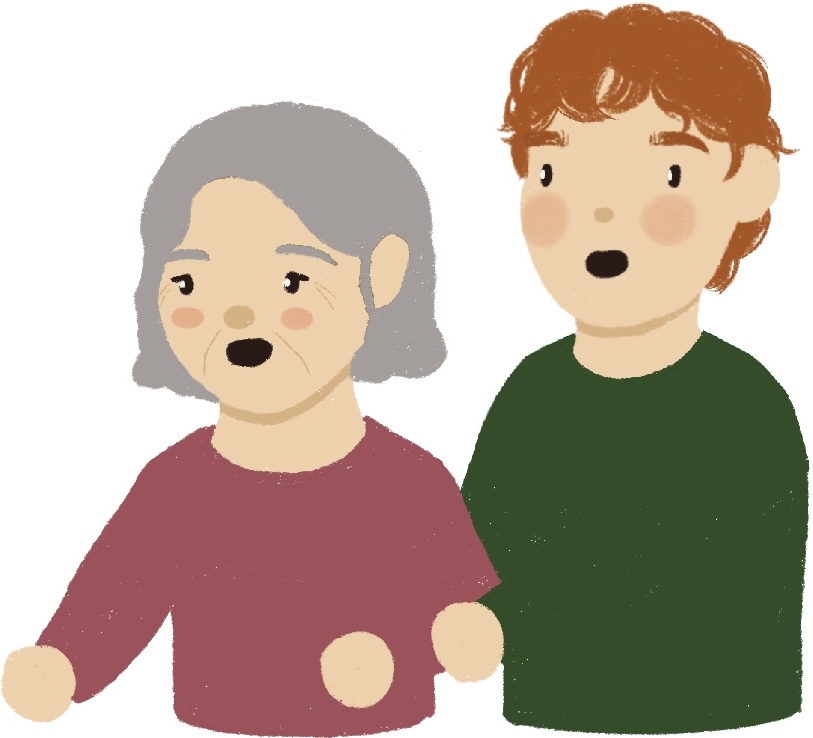
높임말 Honorifics
 |
 |
 |
 |
 |
 |
| 이름 | 데리다 | 만나다 | 주다 | 죽다 | 질문하다 |
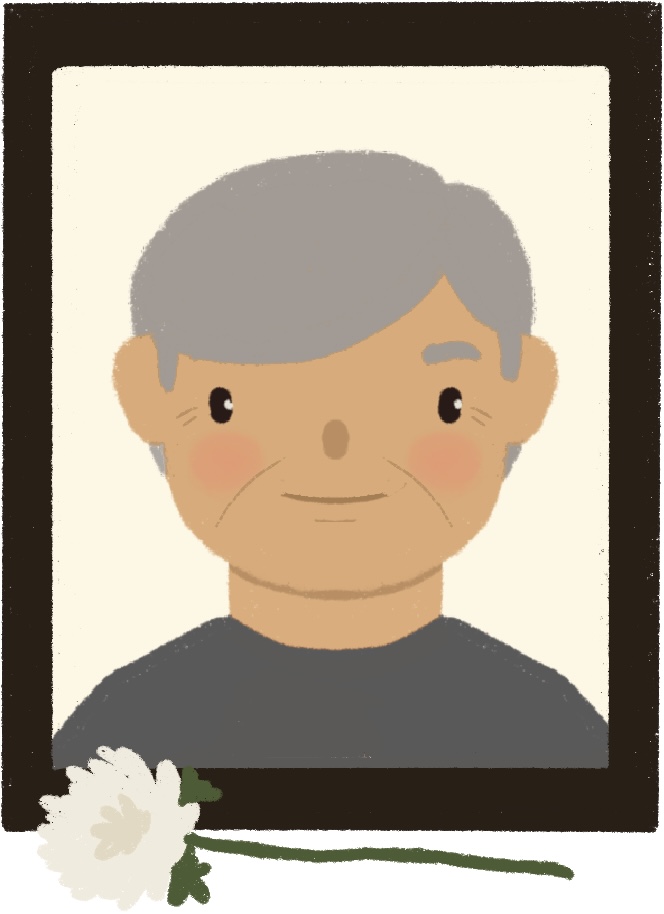
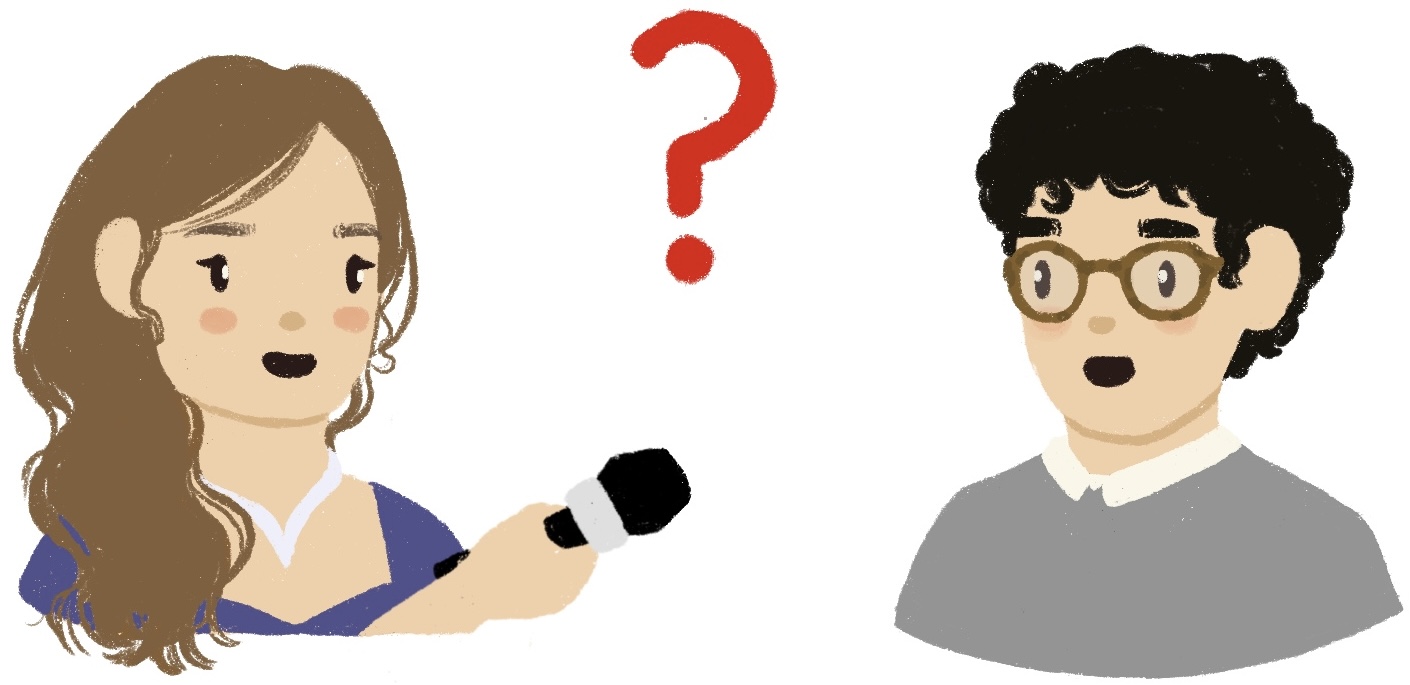
| 성함 | 모시다 | 뵙다 | 드리다 | 돌아가시다 | 질문드리다, 여쭈다 |
| name | to escort, to bring (humble) | to see, to visit (humble) | to give (humble) | to pass away | to ask (humble) |
대중문화 Pop Culture
 |
 |
 |
 |
 |
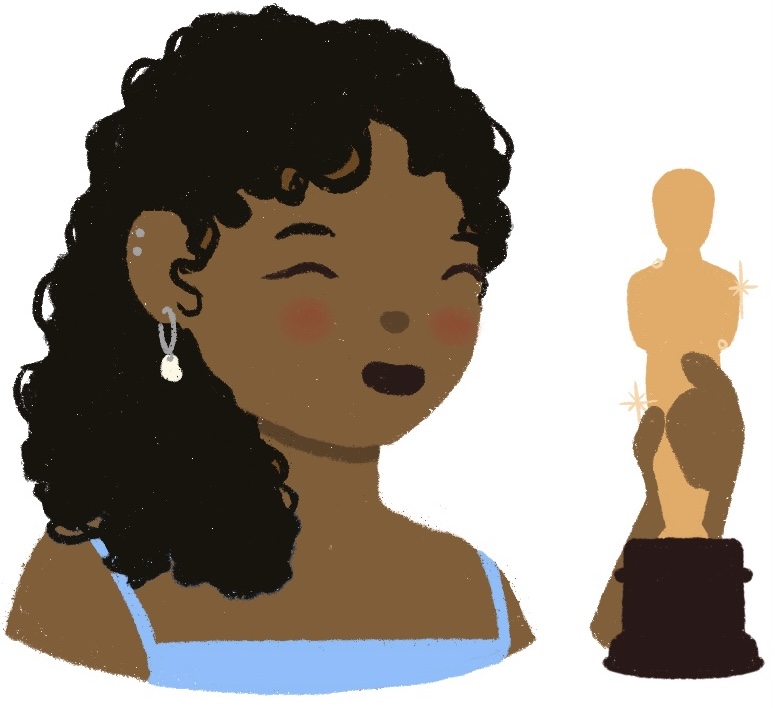
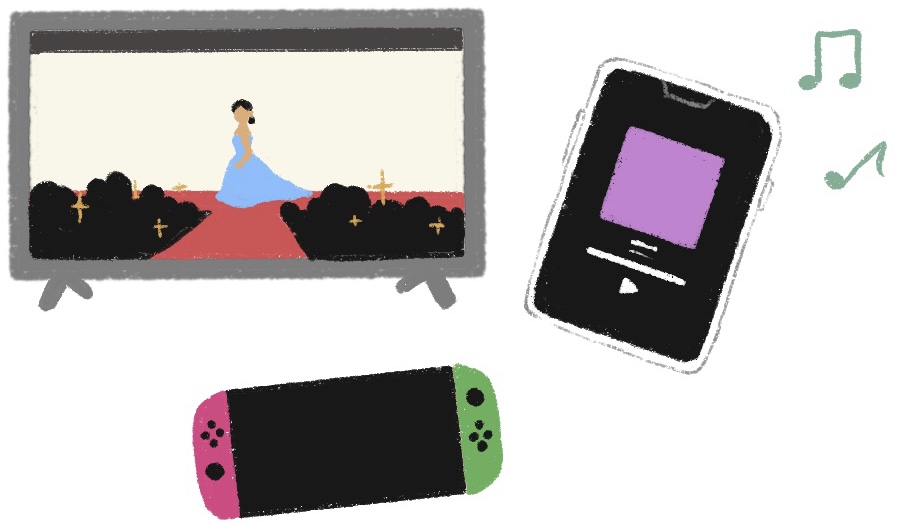
| 감독 | 대상 | 대중문화 | 시나리오 | 영화제 |
| director | grand prize award | popular culture | scenario | film festival |
새 단어와 표현
| 감동 | deep emotion | 특별하다 | to be special |
| 내용 | content | 흥미롭다 (ㅂ irregular) | to be interesting/exciting |
| 자막 | caption | 사실 | the truth |
| 추억 | memories | 세계적으로 | globally/worldwide |
| 기대(하다) | to anticipate, hope for | 직접 | in person/direct |
| 놀라다 | to be surprised | 함께 | together |
| 늦다 | to be late (verb) | -께 | to/from (honorific) |
| 생각(하다), 생각나다 | to think, to come to one’s mind | -께서 | subject particle (honorific) |
| 소중하다 | to be precious | -께서는 | topic particle (honorific) |
| 어린 시절 | childhood | 감동을 주다 | to touch one’s heart |
| NOUN 1 에 대한 NOUN 2 | NOUN 2 about NOUN 1 | 진심으로 축하드립니다. | I sincerely congratulate you. |
단어 메모지 Vocabulary Notes
NOUN 1 에 대한 NOUN 2
In lesson 9, we learned the expression NOUN에 대해(서), which means “about NOUN.” NOUN 1-에 대한 NOUN 2 is a relative clause modifying the second noun, meaning “NOUN 2 that is about NOUN 1.”
| 이 영화는 제 어린 시절에 대한 영화입니다. | This is a movie (that is) about my younger years. |
| 한국 문화에 대한 보고서를 썼습니다. | I wrote a report about Korean culture. |
ㅎ Irregular Adjective
어때요, 어떻게, and 어떤 are forms of the adjective, 어떻다 “to be how.”
| 어떤 영화를 좋아 하세요? | What kind of movies do you like? |
| 이 이름이 어때요? | How is this name? (What do you think of this name?) |
| 성함이 어떻게 되세요? | What is your name? (honorific) |
Those three forms show the different conjugations of 어떻다, a ㅎ-irregular, all of which are adjectives. Some other useful ㅎ-irregulars include native color terms (하얗다, 빨갛다, 노랗다, 파랗다, 까맣다) and the determiners 이렇다 “like this,” 저렇다 “like that,” and 그렇다 “like that/it.”
| 이 이름이 어때요? | How is this name? |
| 성함이 어떻게 되세요? | What is your name? |
ㅎirregulars conjugate as follows:
- For suffixes that begin with consonants (① below), no change to the stem is necessary (e.g. 어떻게).
- For suffixes that begin with –으 (②), the final consonant ㅎ drops out. (e.g. 어떤).
- Finally, for suffixes that begin with –아/어 (③), the final consonant ㅎ disappears, and the vowels merge to getㅐ(e.g. 어때요). Note that 하얗다 conjugates to 하얘(요).
Try filling in the rest of the blanks below!
| Dictionary Form | Meaning | 1. Before consonant-beginning suffixes | 2. Before -으 type suffixes | 3. Before -어/아 type suffixes |
| Examples | -고, -지(요), -네(요) | -(으)ㄴ, -(으)ㄹ, 거예(요) | -아/어(요), -았/었어(요) | |
| 하얗다 | white | 하얗고 (하야코) | 하얀 | (손이) 하얘요 |
| 빨갛다 | red | 빨갛고 | 빨간 | (사과가) 빨개요 |
| 파랗다 | blue | ____고 | ____ | (눈이) ____요 |
| 어떻다 | be how | 어떻지요 | 어떤 (사람) what kind of person | 어때요 |
| 이렇다 | be this way, kind, sort | 이렇지요 | 이런 (사람) this kind of person | 이래요 |
| 그렇다 | be that way, kind, sort | ____지요 | _____(얘기) that kind of story | ___요 |
단어 연습
연습 1.
연습 2.
연습 3.
연습 4.
| 감동 | 기대 | 영화제 | 세계적 | 전혀 | 추억 |
1. 존댓말 Revisited

존댓말 Review: Inherent honorific forms
In Lesson 16 of Book 2, we learned a few verbs and particles that are inherently honorific (or humbling), that is, they are used when talking about a person to be honored. When you speak of your grandfather’s age, for example, you use 연세to show respect, not 나이. Likewise, there are also a number of inherently honorific verbs that honor the Subject, which are not simply derived by using –(으)시 but are completely different verb roots from the non–honorific equivalents. Here is a summary chart for your review.
| Meaning | Plain | Honorific | Meaning | Plain | Honorific |
| birthday | 생일 | 생신 | to die | 죽다 | 돌아가시다 |
| age | 나이 | 연세 | to eat | 먹다 | 드시다 |
| name | 이름 | 성함 | to sleep | 자다 | 주무시다 |
| house/home | 집 | 댁 | to be located | 있다 | 계시다 |
| meal, rice | 밥 | 진지 | to have | 있다 | 있으시다 |
| 할머님께서는 요즘 잘 못 주무십니다. | Grandma doesn’t sleep well these days. |
| 감독님은 지금 극장에 계셔. | The director is in the theater now. |
겸양어 Honoring the object (humble form)
Humble pronouns are part of the Honorifics System of Korean, by which the social status of each player in a sentence is encoded. Use the humble pronouns when talking about yourself to people you have just met and to people of higher social status, and anytime you are using the –(스)ㅂ니다/까 speech style:
| Plain form | Humble form | Example | |
| I, me | 나 | 저 | 저는 김수현이라고 합니다. |
| I (Subject) | 내가 | 제가* | 제가 그 영화의 감독입니다. |
| my | 내 | 제 (=저의)* | 이건 제 시나리오예요. |
| we, our, us | 우리 | 저희 | 저희도 영화를 보러 왔습니다. |
*Noun markers can be attached normally to the base pronouns 저, 나, and 저희 (저는, 나만, 저희도, 저를, 저희까지, etc.). However, the Subject and possessive take the special forms as shown above (내+가, 제+가).
There are several inherently honorific verbs that honor the Object; that is, recognizing that the Object has higher status than the Subject.
| Meaning | Plain | Honorific | Meaning | Plain | Honorific |
| to ask | 묻다 | 여쭈다 | to bring/take (people) | 데리다 | 모시다 |
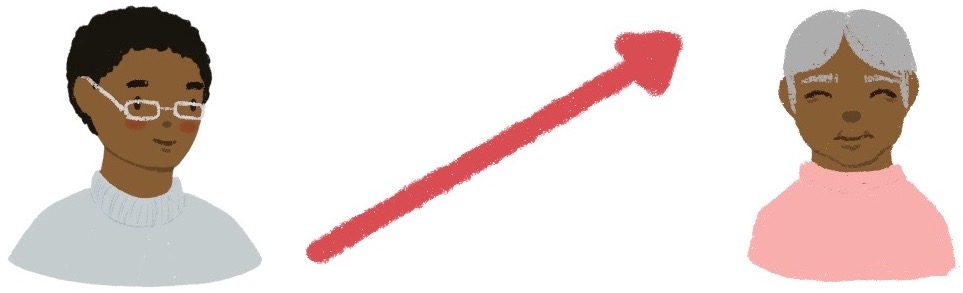
| to meet | 보다, 만나다 | 뵙다 | to give | 주다 | 드리다 |
| 저는 감독님께 새 영화에 대해 여쭤 봤습니다. | I asked the director about their new movie. |
| 저는 교수님을 오늘 교수님 사무실에서 뵐 겁니다. | I will see the professor in her office today. |
존댓말 Honorific particles
Korean also has inherently honorific markers that attach to a noun referring to an honored person. When your grandfather is the Subject of the sentence, use the honorific Subject marker, –께서 (instead of –이/가). Unlike plain markers, the honorific SUBJECT marker –께서 and the honorific DATIVE marker (or Indirect Object marker) –께can come together with other markers such as –도, –만, and –은/는.
| Particles | Honorific Particles | Examples | |
| -이/가 (Subject) | 께서 | 할머니께서 댁에 계세요. | Grandmother is at home. |
| -은/는 (Topic) | 께서는 | 할머니께서는 댁에 계세요. | As for Grandmother, she is at home. |
| -을/를 (Object) | 을/를 | 교수님을 뵈었어요. | I met a professor. |
| -도 (also), -만 (only) | 께서도, 께서만 | 할아버지께서도 댁에 계세요. | Grandfather is also at home. |
| -한테/에게 (to) | 께 | 할머니께 전화 드릴게요. | I will call Grandmother. |
| -한테서/에게서 (from) | 께 | 할머니께 전화 왔어요. | I received a call from Grandmother. |
주다 and 받다 to give and receive
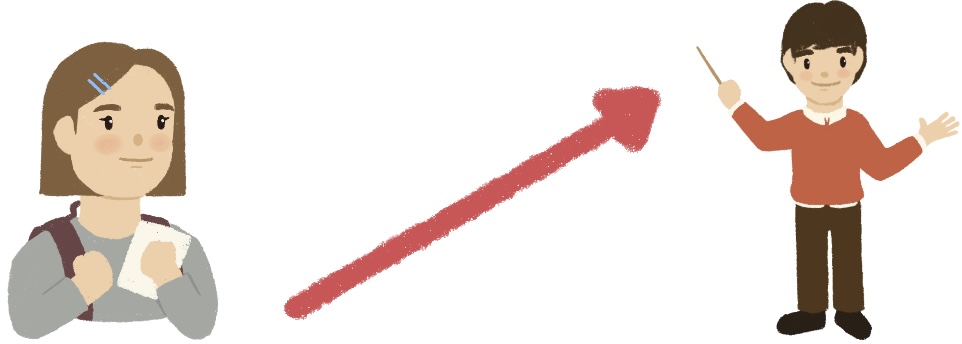
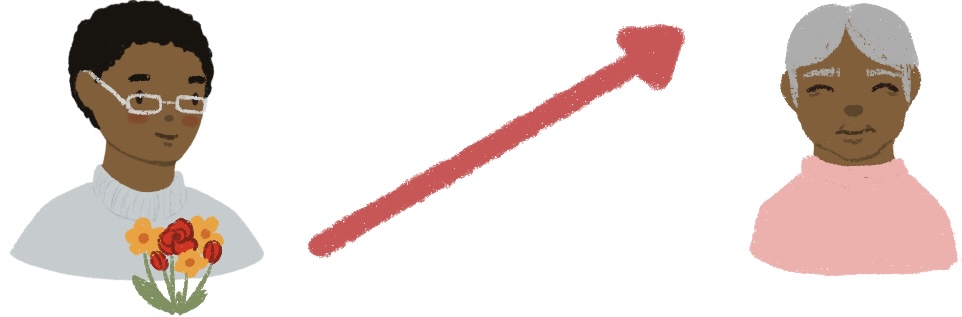
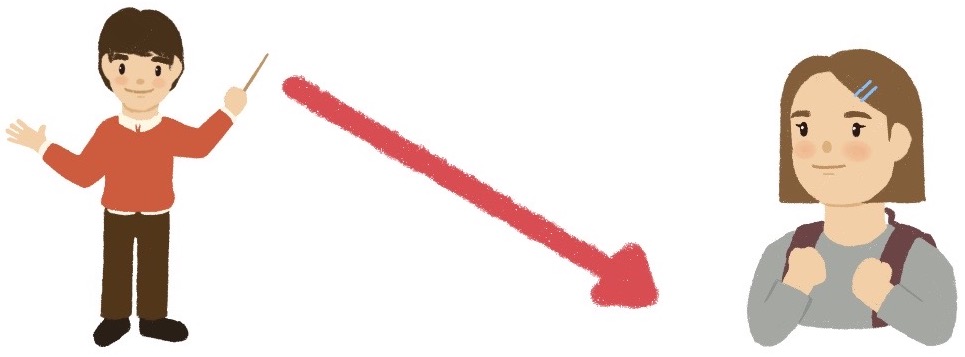
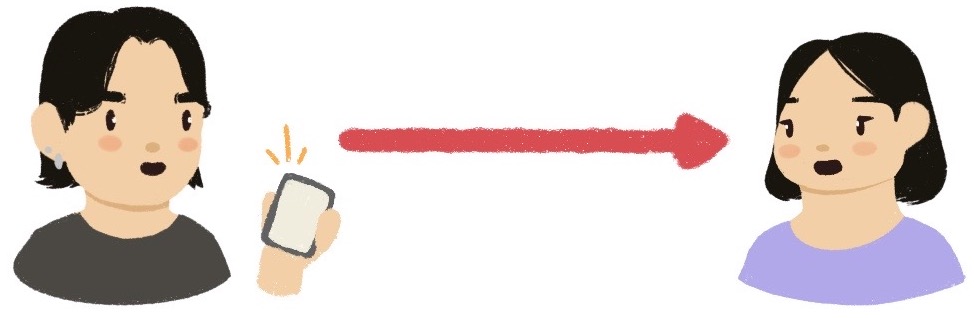
Another honorific pattern to clarify is the usage of 주다 and 드리다. When giving takes place, something moves from one person to another. The relationship between those two people, then, is encoded in the Korean honorifics system. When someone is giving TO someone of higher status than the giver (the giving is “upward”), the verb 드리다 is used. You can think of 드리다 as meaning “to give to someone of higher status.” When the giving is “downward” (TO someone of lower status), or “straight across,” then the verb주다 is used. But note that when the Subject (the giver) is to be honored, the honorific –(으)시 is added to 주다, thus 주시다, according to what you learned in Lesson 9.
| UPWARDS: | ||
| 드리다 | 저는 교수님께 보고서를 드렸습니다. I gave the report to my professor. |
 |
| 드리시다 | 아버지께서 할머니께 꽃을 드리셨습니다. Father gave flowers to Grandma. (Father is also honored, thus use -(으)시) |
 |
| DOWNWARDS AND STRAIGHT ACROSS: | ||
| 주시다 | 박교수님께서 학생에게 상을 주십니다. Professor Park gives an award to a student. |
 |
| 주다 | 오빠가 가끔 저한테 문자를 줍니다. My brother often texts me. |
 |
드리다 is also often accompanied by the following nouns:
| 선물 present | 전화 phone call | 편지 letter |
| 연락 contact | 말씀 talk (말씀드리다 “talk to someone of higher status”) |
| 제가 그 분께 다시 연락 드렸어요. | I contacted (honorific person) again. |
Note that the “giving” honorifics are also used in auxiliary/helping verb constructions like we learned in lesson 6 when someone is doing something for someone. So we will get forms like 도와 드리다, 도와 드리시다, and 도와 주시다, too.
| 가: 제가 가방 들어 드릴까요? | Would you like me to carry/hold the bag for you? |
| 나: 네, 좀 도와 주세요. 고맙습니다. | Yes, please help me. Thank you. |
Practice
Write the honorific or humble forms for the following words.
| Dictionary Form | Honorific Form | Dictionary Form | Humble Form |
| 이름 | 나 | ||
| 집 | 내 | ||
| 나이 | 우리 | ||
| 주다 | 주다 | ||
| 자다 | 보다 |
<답> 성함, 댁, 연세, 주시다, 주무시다, 저, 제, 저희, 드리다, 뵙다
연습 1. Honorifics
| 께 | 께서 | 이/가 | 한테 | 한테서 |
(맛보기) 교수님께서 그 영화를 추천해 주셨어요.
연습 2. Honorifics
연습 3. Honorifics
박수아 감독: You are introducing a famous Korean director to the audience. Change the underlined words to show respect to the director by using appropriate honorifics. If honorifics are not required, write an X.
 |
오늘 여러분에게 소개해 줄 사람은 아마 이름을 들으시면 다 아는 사람일 겁니다. 한국의 세계적인 감독, 박수아 감독입니다. 박 감독님 이름을 들으면 아실 것 같은데요. 박 감독님은 부산에서 태어나 파리에서 영화를 공부했습니다. 여러 작품으로 유명하시지만 지난 5월에 국제 영화제에서 대상을 받아서 더 유명해졌습니다. 오늘은 박 감독님의 새 영화, 할머니와의 추억을 소개해 줄 겁니다. 박 감독님의 죽은 할머니에 대한 영화라고 하는데요. 이렇게 박 감독님을 데리고 박 감독님의 새 영화도 보고 질문도 할 수 있어서 기쁩니다. 박 감독님, 와줘서 감사합니다. |
연습 4. Honorifics
할머니와 나 Based on the information provided in the following table, compare ‘나’ and ‘할머니’ and compose sentences accordingly.
(맛보기) 내가 자주 만드는 음식은 라면인데 할머니께서 자주 만드시는 음식은 김치찌개예요.
| 나 | 할머니 | ||
| 자주 만드는 음식 | 라면 | 김치찌개 | |
| 1. | 자는 시간 | 밤 12시 | 밤 10시 |
| 2. | 자주 먹는 음식 | 짜장면 | 비빔밥 |
| 3. | 마시는 차 | 버블티 | 녹차 |
| 4. | 하는 운동 | 축구 | 걷기 |
| 5. | 자주 듣는 음악 | K-Pop | 트로트 |
| 6. | 자주 만나는 사람 | 동아리 친구들 | 동내 친구들 |
| 7. | 자주 부르는 노래 | PTD | 살다 보면 |
| 8. | 있는 곳 | 학교 기숙사 | 시카고 집 |
1. _____________________________________________________________.
2. _____________________________________________________________.
3. _____________________________________________________________.
4. _____________________________________________________________.
5. _____________________________________________________________.
6. _____________________________________________________________.
7. _____________________________________________________________.
8. _____________________________________________________________.
2. A/V-거든(요) You See

2. A/V-거든(요) you see
–거든 is a sentence ending that indicates a clarification, justification or reasoning is being provided, especially in an answer to a question that has not been explicitly asked, or as an afterthought.
| 오늘은 좀 바빠… 봉 프로듀서님하고의 인터뷰를 준비해야 하거든. | I am busy today. I have to prepare for an interview with Producer Bong, you see. |
| 가: 어? 감독님 안 계셔? | Is the director not here? |
| 나: 음… 벌써 가셨거든… | Well, the director already left. |
Note: Some of the many variant pronunciations of –거든in youngsters’ speech are –거등, –거덩, 거들랑 and –걸랑:
| 나, 오늘도 좀 바쁘걸랑… | I am a little busy today… |
For the past tense, the past tense morpheme 었 is used before 거든. In addition, some speakers use –거든 a lot in their speech as a personal style trait.
| 나, 어제 방 감독님 인터뷰했거든. 아주 재미있었어. 근데 그 감독님이 아주 웃기시거든. | I interviewed Director Bang, you see. I had a lot of fun. He is fun(ny), you see. |
Note: You may occasionally see –거든 (거들랑) as a clause connector preceding a command or a suggestion, in which case it just means if or in the case that:
| 그 사람 만나거든 이것 좀 전해주세요. | If you happen to / In case you see him, please give him this for me. |
Conjugation
Let’s practice –거든 conjugations, which are regular. Just follow the rule of consonant-beginning endings in the present tense. The past tense form conjugates like other –아/어 beginning endings.
| Dictionary Form | -거든 | -았/었거든 | Dictionary Form | -거든 | -았/었거든 |
| 보내다 | 보내거든 | 만들다 | |||
| 굽다 | 구웠거든 | 듣다 | |||
| 알리다 | 가르치다 |
<답> 보냈거든, 굽거든, 알리거든, 알렸거든, 만들거든, 만들었거든, 듣거든, 들었거든, 가르치거든, 가르쳤거든
연습 1. -거든
(맛보기) 가:어제 왜 수업에 안 왔어요?
(맛보기) 나: 어제 제가 좀 아팠거든요. [아프다]
영화사: movie company
연습 2. -거든
Complete the following table and then make sentences using –거든요 as in 맛보기.
(맛보기) 수지는 어제 부모님 댁으로 갔어요. 할머니께서 돌아가셨거든요.
| Situations/Suggestions | Reason | |
| 수지는 어제 부모님 댁으로 갔어요. | 할머니께서 돌아가셨어요. | |
| 1. | 외국어 영화는 자막을 보면서 영화를 보세요. | 그럼 더 재미있게 영화를 볼 수 있어요. |
| 2. | 한국 영화를 보고 싶으면 봉준호 감독의 영화를 보세요. | 봉 감독의 영화는 아주 흥미롭다. |
| 3. | 공포 영화를 싫어하면 그 좀비 영화를 보지 마세요. | 무서운 장면들이 좀 나와요. |
| 4. | 룸메이트와 사이가 나쁘면 새 룸메이트 구하다. | 룸메이트와 사이가 좋으면 마음이 편해요. |
| 5. | 한국 전통 음악을 배우고 싶으면 사물놀이 동아리에 가입하다. | 전통 악기도 배우고 음악도 들을 수 있어요. |
| 6. | 추천서가 필요하면 장 교수님께 연락드려 보세요. | 장 교수님께서 추천서를 잘 써 주세요. |
| 7. | 그 영화는 벌써 다섯 번이나 봤어요. | 여러 번 봐도 볼 때마다 감동을 줘요. |
| 8. | 제 시나리오가 상을 받아서 좀 놀랐어요. | 사실 기대를 하지 않았어요. |
1. ____________________________________________________.
2. ____________________________________________________.
3. ____________________________________________________.
4. ____________________________________________________.
5. ____________________________________________________.
6. ____________________________________________________.
7. ____________________________________________________.
8. ____________________________________________________.
장면: scene
연습 3. -거든
Complete the following sentences with your own ideas using –거든요.
(맛보기) 저는 이번 주에 정말 바빠요. 인턴십 인터뷰가 3개나 있거든요.
1. 그 영화 감독 사인을 받고 싶어요. _________________.
2. 그 영화는 세계적으로 유명해졌어요. ________________.
3. 그 영화를 볼 때 휴지를 준비하세요. _________________.
4. 그 액션 영화는 집에서 보지 말고 영화관에서 봐야 돼요. _________________.
5. 이번 영화제에서 정 감독님이 대상을 못 받으셔서 놀랐어요. ____________________.
6. 미안해요. 지금 가야 돼요. ____________________.
7. 할머니께 다음 주에 전화 드려야 돼요. ____________________.
8. 지금 좀 떨리고 긴장이 돼요. ____________________.
휴지: tissues
연습 4. -거든(요)
Complete the following dialogues using –거든요.
(맛보기) 가: 요즘 많이 바쁜 것 같아요.
(맛보기) 나: 네. 이번 학기에 수업도 많이 듣고 통역 아르바이트도 하거든요.
1. 가: 그 감독은 어떻게 유명해졌어요?
1. 나: ________________________________________________________.
2. 가: 사람들이 그 영화를 왜 그렇게 많이 보지요?
2. 나: ________________________________________________________.
3. 가: 어제 슈퍼볼 게임 파티에 왜 안 왔어요?
3. 나: ________________________________________________________.
4. 가: 왜 미역국을 끓이고 있어요?
4. 나: ________________________________________________________.
5. 가: 왜 벌써 불을 껐어요? 좀 더 끓여야 돼요.
5. 나: ________________________________________________________.
6. 가: 지금 저녁 8시인데 벌써 주무세요?
6. 나: ________________________________________________________.
3. A/V–군(요)/–구나 Oh, I see; A-ha!

Review: A/V–네(요) Expressing the speaker’s spontaneous reaction
You learned in first year that the ending –네(요) expresses the speaker’s spontaneous and immediate reaction to a situation (with slight unexpectedness). –네(요) is indeed an ending that expresses one’s emotion, which is why it is widely used in poems and song lyrics.
| 일을 정말 꼼꼼하게 하시네요! | Wow, you do jobs really meticulously! |
| 사랑이 다른 사랑으로 잊혀지네. | (Gee, it looks like) love is forgotten by another love. |
A/V–군(요) oh, I see; a-ha!
There is a more thoughtful or reflective counterpart of the –네ending, which is – (는)군(요). The – (는)군(요) ending expresses that the speaker has mentally processed or understood something, gaining insight or registering what is happening around her – a sense of ‘a–ha’ or ‘Oh, I see!’ While –네shows that the speaker has noticed (or seen) something interesting, – (는)군(요) shows that the speaker has noticed (and processed) that something is different from what she previously thought.
–는군(요) is used after present–tense verbs (yes, both consonant–ending and vowel–ending verbs), and –군(요) is used after adjectives, 있다and 없다, and 이다, (including future – (으)ㄹ 것이다), and the past tense of anything. As can be imagined, (는)군 feels more like self–talk than (는)군요 since (는)군요 needs an interlocutor, polite company. Here are a few examples that demonstrate the conjugation rules.
| Tense | Dictionary Form | Conjugation Rule | Form | Examples |
| Present – Verb | 받다 | Add 는군(요) | 받는군(요) | 박 감독이 드디어 대상을 받는군요.
Oh, Director Park is finally getting a grant prize award. |
| Present -ㄹ Irregular | 만들다 | Delete ㄹ + Add 는군(요) | 만드는군(요) | 한국은 재미있는 영화를 많이 만드는군요!
Oh, wow; Korea makes a lot of fun movies! |
| Present – Adjective | 흥미롭다 | Add 는군(요) | 흥미롭군(요) | 영화가 정말 흥미롭군요.
Oh, the movie is really interesting! |
| Past Tense | 전하다 | -었/았군(요) | 전했군(요) | 아이구, 메시지를 안 전했군.
Oh shoot, I forgot to pass on the message. |
| –(으)ㄹ 것이다 | 오다 | -(으)ㄹ 거군(요) | 을 거군(요) | 이 사람, 오늘도 안 올 거군요.
Huh! He’s not going to come today either. |
A/V–구나
Similar to –는군(요) and ––군(요) are the exclamatory –는구나 (for verbs) and –구나 (for adjectives). You will hear lots of expressive intonation change and a longish -나 with these. Since such exclamations are self–addressed by nature (e.g. wow! whoa!), the politeness marker –요 cannot be attached to –는구나 and –구나:
| 밖에 비가 오는구나. 운전 조심해. | O-oh, it’s raining. (I didn’t realize that until now.) Be careful with driving. |
| 인터뷰에 감독님만 오셨구나. | Oh, I see that only the director came to the interview. |
| 여기가 콘서트장이구나. | Oh, here is the concert hall. |
| 가: 외롭구나… | This must be what it’s like to feel lonely…/ Oh, I’m lonely. |
| 나: 아, 그랬구나. | Oh, I see. That’s how it was. |
Conjugation
Let’s complete this chart. The difference here is between verbs and adjectives, where all verbs take –는군, and adjectives & past/future tenses take –군.
| Citation Form | -군요 | -구나 | -았/었군요 | -(으)ㄹ 거군요 |
| 받다 | 받는군요 | 받는구나 | 받았군요 | 받을 거군요 |
| 만들다 | ||||
| 기대하다 | ||||
| 싱겁다 | ||||
| 꼼꼼하다 |
<답> 만드는군요, 만드는구나, 만들었군요, 만들 거군요, 기대하는군요, 기대하는구나, 기대했군요, 기대할 거군요, 싱겁군요, 싱겁구나, 싱거웠군요, 싱거울 거군요, 꼼꼼하군요, 꼼꼼하구나, 꼼꼼했군요, 꼼꼼할 거군요
연습 1. –군(요)/–구나
Express your realizations or discoveries in the following sentences. Complete each sentence by filling in the blank using –군요/구나
- 인터뷰 전에는 정말 __________________! [떨리다]
- 어제 못 자서 __________________! [힘들다]
- 자막을 안 보고 영화를 보니까 __________________! [어렵다]
- 영화 내용이 정말 __________________! [흥미롭다]
- 봉 감독님은 정말 세계적으로 __________________! [ 유명하다]
- 정말 그 영화가 상을 받았네! 친구 말이 __________________! [맞았다]
- 아, 그 영화의 감독님은 벌써 20년 전에 __________________! [돌아가셨다]
- 감독님이 영화제에 부모님을 __________________! [모시고 오셨다]
연습 2. –군(요)/–구나
Complete the dialogue according to the context, using –군요/구나.
(맛보기) 의사: 어디가 불편하세요?
(맛보기) 환자: 머리가 아프고 콧물이 나요.
(맛보기) 의사: 감기에 걸리셨군요!
1. 영우: 자리 있어요? 세 명이에요.
1. 식당 종업원: 지금 자리가 없는데요. 좀 기다려 주세요.
1. 영우: 아,_______________________________!
2. 세라: 어젯밤에 왜 전화를 안 받았어?
2. 잭: 오늘 면접 시험이 있어서 도서관에서 면접 시험을 준비해야 됐어.
2. 세라: 오늘 _______________________________!
3. 수미: 민수 씨가 기분이 좋아 보여요.
3. 제이미: 민수 씨가 좋은 회사에 취직됐거든요.
3. 수미: 아, 그래서 민수 씨가 _______________________________!
4. 앤디: 토요일에 시간 있어?
4. 새미: 이번 주는 좀 바빠. 병원에서 한국어 통역 봉사를 하고 있거든.
4. 앤디: 와, _______________________________!
5. 주디: 미역국 먹어 봐. 내가 끓였어.
5. 우빈: 고마워. [after tasting] 소금 좀 줄래? 좀 싱겁네.
5. 주디: 아, 잊버버리고_______________________________!
6. 폴린: [Seeing Phillip had a haircut] 머리 스타일이 달라졌네요!
6. 필립: 네. 어제 머리 잘랐어요.
6. 폴린: 필립 씨는 긴 머리보다 짧은 머리가 잘 __________________________!
7. 지수: 놀린 감독이 왜 이렇게 유명해?
7. 안: 세계적인 영화제에서 대상을 두 번이나 받았거든.
7. 지수: 아, 그래서 _______________________________!
연습 3. –군(요)/–구나
Have some more conversations with a partner about yourself, the class, your school, your major, your hometown, your hobbies, and so on. What do you know and what do you realize?
(맛보기) Class
(맛보기) 가: 그 강의는 항상 사람이 많아. 교수님께서 재미있으시거든.
(맛보기) 나: 그래서 그 강의가 인기가 있구나!
- School
- Class
- Hometown
- Hobbies
- Food
- Movies
- Musicians
- Your own
4. 종합 연습 Role Play
1. 대화 연습
Create a role play with your partner using the key grammar expressions and new vocabulary from this lesson. Include 5 to 6 meaningful rounds of dialogue. Take turns and feel free to add details to make the conversation lively.
- Context: A host of a famous talk show is having a conversation with a celebrity about their recent work. Exchange questions and answers using appropriate honorifics.
- Participants: A talk show host and a celebrity (e.g., musician, director, actor, etc.),
- Key Expressions:
- Sample Dialogue:
 |
 |
 |
 |
Interpretive Task 1. 듣기
On a TV talk show, Korean film director, Dahye Choi was interviewed as a special guest.
1. Listen to the interview and summarize in Korean what you learned. (Write as much as you can, in complete sentences.)
- ___________________________________________.
- ___________________________________________.
- ___________________________________________.
Helpful Vocabulary
상상 imagination
2. Who wrote the screenplay for the film “Memories of the Game,” and what is it based on?
3. What was the director’s reaction to the award she received?
Interpretive & Interpersonal Task 2. 읽고 쓰기
An Interview with Kevin Suh, Member of the Year
A reporter for the Korean Culture Center’s Newsletter in your local community has selected you as Member of the Year. Your written interview responses will be featured in the upcoming newsletter. Please read the questions and write your replies to send to the reporter. ( –거든요, 존댓말)
For your reference, this is a part of the newsletter interview article from last year. Please read it before you write your responses.
기자: 먼저 올해의 회원이 뽑히신 것을 축하드립니다. 언제, 어떻게 한국문화에 처음으로 관심을 가지게 되셨습니까?
서 케빈: 저는 처음에 한국 드라마를 보고 K–Pop을 들으면서 한국문화에 대해 관심을 갖게 되었습니다. 그 드라마에서 나오는 아름다운 장소들과 흥미로운 이야기들이 너무 좋았거든요.
기자: 아, 그렇군요. 그럼 한국어를 배우면서 어떤 것이 가장 기억에 남으셨습니까? 그리고 어려운 점은 무엇이었습니까?
서 케빈: 한국어를 배우면서 가장 기억에 남은 것은 한국어 수업 친구들과 보낸 시간입니다. 한국어를 배우는 동안 한국어 수업 친구들하고 함께 재미있게 대화도 하고 서로 도움도 주고 한국 문화도 같이 경험했거든요. 하지만 어려운 점은 듣기였는데, 그래서 TV 쇼, 드라마나 영화, 노래 들을 저는 거의 매일 듣고 있습니다. 가끔은 어려워서 포기하고 싶을 때도 있었지만 계속 매일 하니까 재미있어지고 좀 더 쉬워진 것 같습니다.
기자: 한국 문화와 한국어에 관심있는 분들께 조언을 해 주세요.
서 케빈: 제 생각과 경험에는요, 스트레스 받지 않고, 재미있고 즐겁게 즐기면서 언어를 사용해 보고 문화도 경험해 보는 것이 제일 중요한 것 같습니다.
안녕하세요.
한아름 한국 문화 센터 뉴스레터 기자 김준구입니다. 올해의 회원에 뽑히신 것을 진심으로 축하드립니다.
올해 12월에 나올 뉴스레터에 소개 기사를 준비하고 있습니다. 아래 몇 가지 질문에 대해서 대답해 주시면 감사하겠습니다.
1. 언제, 어떻게 한국문화에 처음으로 관심을 가지시게 되었습니까?
2. 한국어를 배우시면서 어떤 것이 제일 기억에 남으셨나요? 그리고 어려운 경험은 어떤 것이었습니까?
3. 끝으로, 한국 문화와 한국어에 관심 있는 분들께 조언을 해 주세요.
답변해 주셔서 감사합니다. 질문이 있으면 연락드리겠습니다. 안녕히 계세요.
김준구기자드림
Useful Vocabulary
뽑히다 to be chosen
기억에 남다 memorable
조언 advice
진심으로 sincerely
Interpersonal & Presentational Task 3. 말하고 발표하기
The Person I Admire Most
1. Do you have a role model or someone you highly respect? Who is that person, and why do you admire them? (Alternatively, you may talk about someone else such as your favorite celebrity.) Exchange your thoughts about this person with your friends.
2. Present formally about the person you admire most. Use honorific expressions appropriately. Additionally, try to include the following points in your presentation.
Introduce the person and provide some background information about their life and achievements.
Explain why you admire this person and what qualities or characteristics they possess that inspire you.
Language Point: “You” In Korean
You know that the use of any kind of word for “you” is very limited in Korean. Normally, a person’s title is used where there is one, both to call the person and to talk about the person: “김선생님, 선생님께서는 어디로 가세요?” “Teacher (Kim), which way are you going?” See more titles below:
If you do not know the professional title of the person, you can borrow family relationship terms to address a person (see below).
If you become familiarized with the person, even in a formal environment like a workplace, you can start using 씨 following the person’s first name, if the person is about your age or one or two years off:
Finally, if you are a student or addressing someone younger than you that you have known since childhood, you can use 이 after names that end in a consonant:
| close friend, sibling, cousin, etc. | Name + 이: 동현이, 미진이, 동호, 은비 |
You can use 아 (after names that end in a consonant) and 야 (after names that end in a vowel) when calling the person:
| 동현아! 얘가 어디 갔지? | Donghyun! Where has he (this child) gone to? |
| 은비야! 얘는 또 어디 갔어? | Eunbi! Now where did she go? |
| 소영이는 오늘 안 오나요? | Is Soyoung not coming today? |
한국 문화 길잡이
Korean is known for its Confucianist cultural traits, such as where people often address one another using titles instead of their names as a token of politeness. However, this deeply rooted tradition is facing societal changes in Korea. In colleges, more students prefer using a neutral title 씨 or more polite suffix 님 to address each other rather than using family terms such as 언니, 오빠, 형, or 누나, as shown below or standard terms to refer one’s upper–classmen such as 선배님.
Titles
| grandmother | 할머니 (or an older woman in her 60’s or older) |
| grandfather | 할아버지 (or an older man in his 60’s or older) |
| mother | 어머니, 엄마 |
| father | 아버지, 아빠 |
(Typically with the first name of the person’s oldest grandchild or oldest child: 동호 어머니)
| older sister | 언니 (used by a female) |
| older sister | 누나 (used by a male) |
| older brother | 오빠 (used by a female) |
| older brother | 형 (used by a male) |
(Typically with the person’s first name)
| Auntie | 아주머니 (married woman in her mid 30’s-50’s) |
| Uncle | 아저씨 (married man in his mid 30’s-50’s) |
The same changes have been reported in workplaces. For several years, large corporations have been working on simplifying titles and positions to promote a more “horizontal” and democratic work culture. For example, one of the leading companies in Korea recently restructured its job hierarchy, reducing job levels from seven to four tiers in 2017. Additionally, the same company adopted a new way to address people using the title “pro (professional)” or 님 instead of job titles. In extreme cases, some tech companies use English names instead of employees’ Korean names, so they do not have to worry about what to call each other. As large corporations lead and implement the changes, such trends as using 님 or encouraging mutual honorifics are spreading to small and medium-sized businesses.
For more information, click on this link to read an article, “Call me by my English name’ in the Korea Times published on February 10, 2023: https://www.koreatimes.co.kr/www/tech/2022/04/419_327466.html
할 수 있어요! I Got This!
Check to see if you can do the following:
- Use honorifics to ask and answer the questions.
- Provide justification/additional information using 거든(요).
- Express what you just realized and understood using 군(요)/구나.
| Listening Script
|